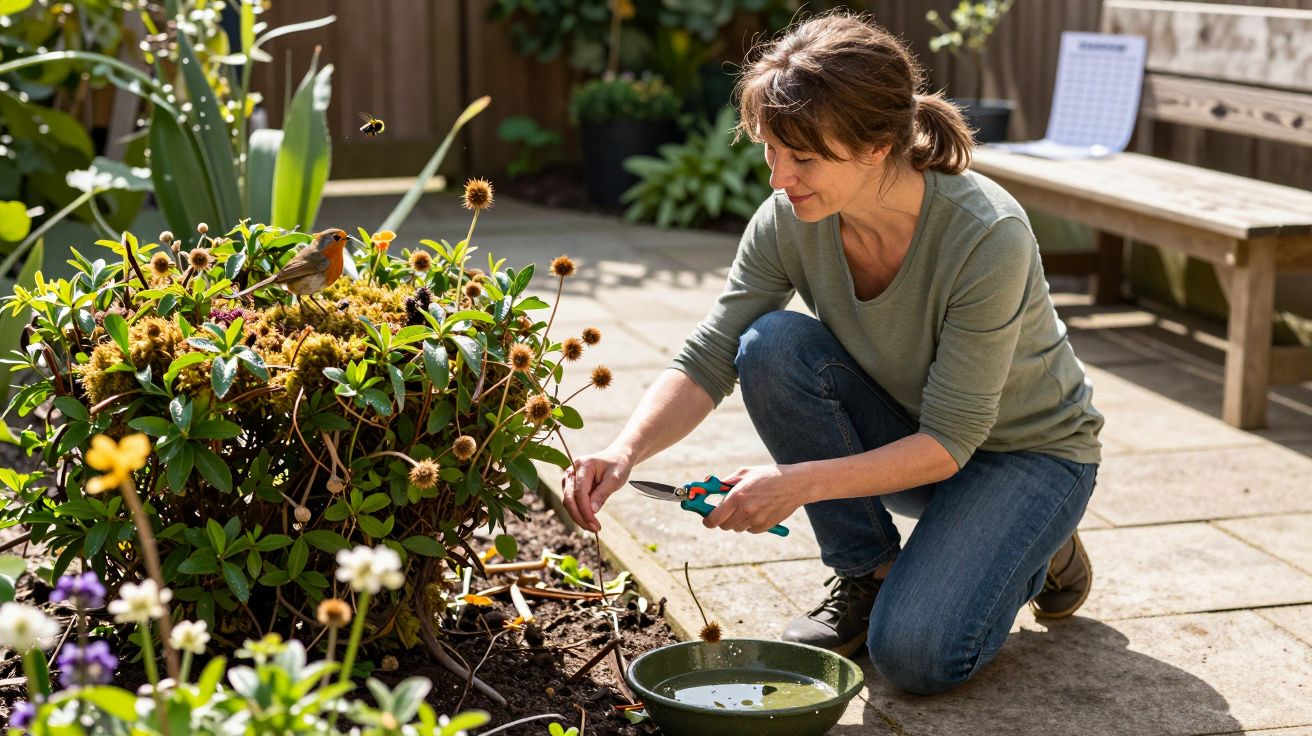
Last April I watched a robin drag moss into a hedge that looked, frankly, scruffy. By July the same corner buzzed like a small airport, and by October it had gone quiet again. Gardens that are friendly to wildlife do that: they follow seasonal biodiversity cycles, not our desire for a garden that “stays finished”.
If yours looks different every year, that isn’t failure or neglect. It’s feedback. It means the space is alive enough for weather, soil, insects, birds and plants to renegotiate the deal each season.
The “messy patch” is doing seasonal maths you can’t see
Wildlife gardens don’t run on straight lines. They run on timing: when the first queen bumblebee wakes, when aphids hatch, when caterpillars peak, when fledglings need soft-bodied insects, when berries ripen, when frogs leave the pond.
A neat border can look identical in March and in September if it’s managed for consistency. A wildlife-friendly one rarely does, because it’s managed for opportunity: shelter here, nectar there, seed later, damp leaf litter all winter.
You notice it as change. Wildlife experiences it as a calendar.
Why the same garden can look “wilder” one year and “emptier” the next
People often expect a linear improvement: add a pond, add flowers, get more wildlife, end of story. In reality, a garden is a small ecosystem plugged into a much bigger one, and the bigger one shifts.
A cold spring delays flowering and insect emergence. A mild winter lets slugs and some pests surge early. A hot, dry June can pause nectar flow and shorten flowering. A wet summer can boost snails, fungi and the birds that feed on them. Your garden responds, then wildlife responds to that response.
It’s not that wildlife “left”. It’s that the peak moved.
Three common year-to-year swings (and what they usually mean)
- Loads of ladybirds one summer: often a sign of an earlier aphid boom. Predators follow prey.
- Fewer butterflies despite plenty of flowers: nectar helps adults, but caterpillars need specific host plants and the right weather window.
- Birds quieter in late spring: breeding success varies; if chicks fledged early, the frantic feeding phase ends sooner.
The hidden driver: what you didn’t do
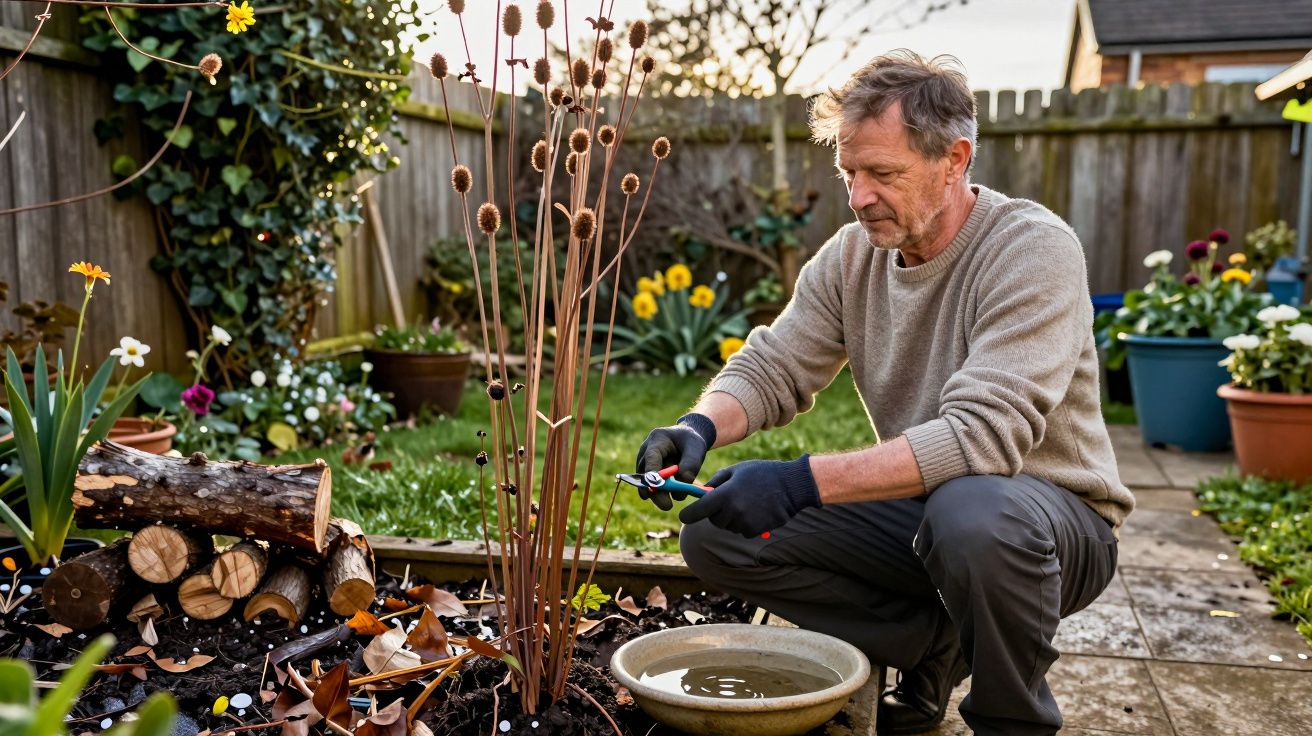
In gardens that are friendly to wildlife, restraint is a management tool. Leaving seedheads standing, not cutting everything to the ground, letting some nettles exist, delaying the first mow-these choices don’t show up as a new feature you can point at.
But they change survival odds. Overwintering insects make it through. Frogs find cover. Hedgehogs keep a dry nest. The following year looks different because last year you left more “infrastructure” in place.
Let’s be honest: the hardest part is tolerating the in-between stage, when last year’s stems look untidy and this year’s growth hasn’t filled out yet. That awkward fortnight is where a lot of the life is hiding.
Your garden is a stage set, and the cast rotates
Think of wildlife like a rotating cast rather than a permanent collection. Some species are residents; many are seasonal visitors passing through in response to food and shelter.
A garden that supports seasonal biodiversity cycles will lean into that rotation:
- Early spring: willow catkins, hellebores, dandelions, warm south-facing walls.
- Late spring: caterpillars, nest-building, damp corners for amphibians.
- Summer: nectar abundance, water during heat, shade and thick cover.
- Autumn: berries, fallen fruit, seedheads, log piles, long grass.
- Winter: leaf litter, evergreen shelter, undisturbed corners.
When you optimise for one season only-say, summer colour-you can accidentally create a feast followed by famine.
The subtle ways wildlife-friendly planting reshapes itself
Even without you changing a thing, plants move. Self-seeders pop up where they like the microclimate, not where the label said they should. Perennials bulk up, then slump, then recover. Some plants thrive when a neighbour dies back; others sulk when shade increases.
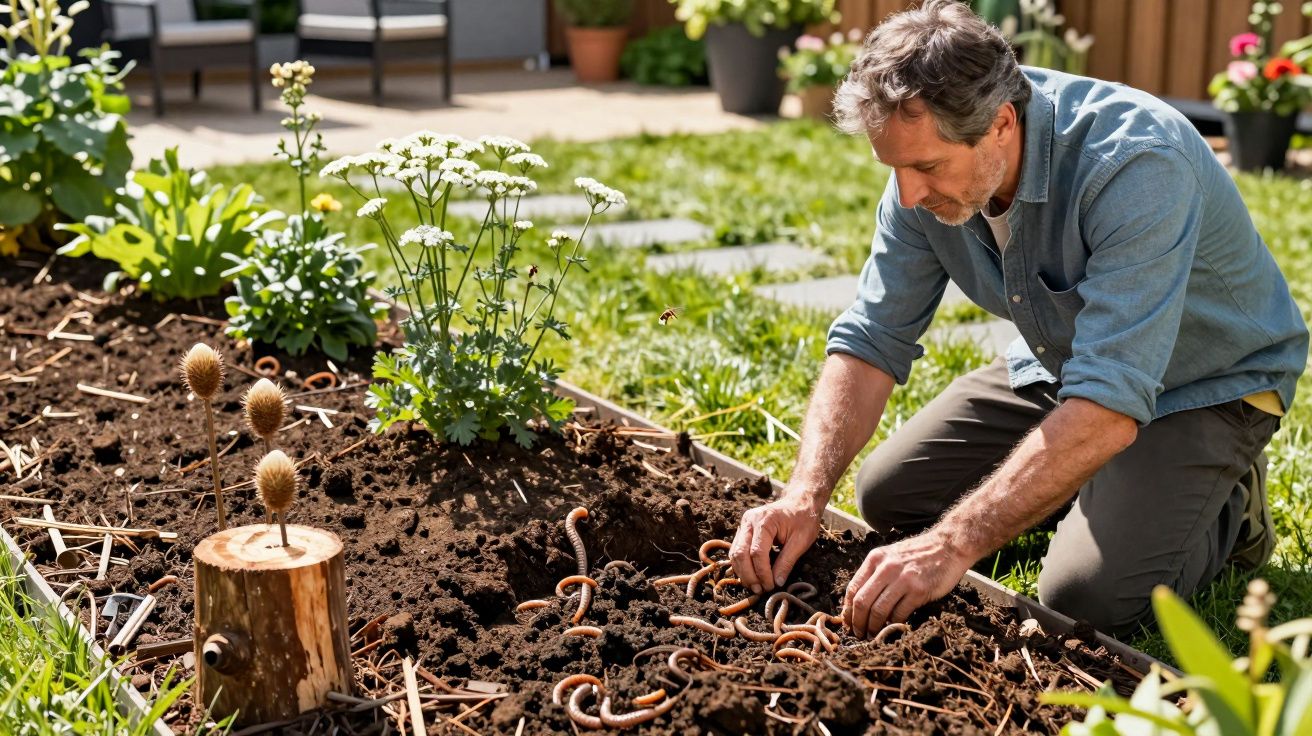
This is especially true if you’re reducing chemicals and feeding less. Soil biology becomes a bigger player. Fungi networks shift. Earthworm activity changes drainage and structure. Over a couple of years, the same border can behave like a different border.
You didn’t lose control. You handed some of it back.
A practical way to “read” the changes (without over-managing)
Do a ten-minute check once a month during the growing season. Not for perfection-just to spot patterns.
- Look for flowers across time, not space. Do you have something blooming in March, May, July, September?
- Check shelter layers. Ground cover, mid-height stems, and something dense (a hedge, shrub, or bramble patch).
- Count water options. A pond is great, but even a shallow dish in heat can change what visits.
- Leave one area alone. Pick a corner you’ll disturb only once a year, late winter or early spring.
- Note one “winner” plant. If something is taking over, decide whether it’s providing value (nectar, seeds, cover) before you pull it.
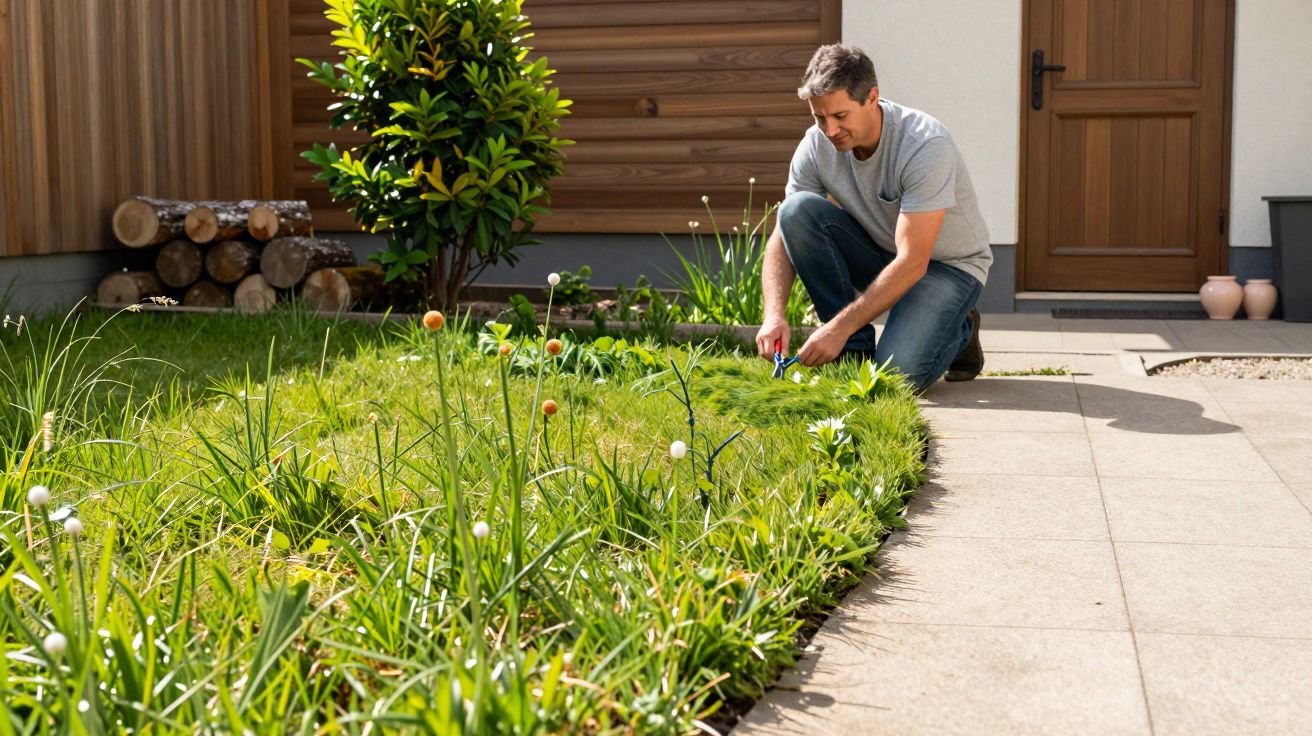
If you want neatness, concentrate it. Keep edges crisp, paths mown, and one small bed “for you”. Let the rest be functional rather than decorative.
What “success” looks like in a garden that changes
Success is not a constant level of visible activity. It’s resilience: a garden that still offers food and cover when the weather is off, when a nearby hedge is removed, when a local pond dries, when a neighbouring garden goes sterile.
You’ll get years that feel lush and loud, and years that feel muted. Both can be healthy. The point is that your space can absorb variation and still support life.
A quick guide to common looks - and the likely cause
| What you see | Likely driver | What to do (or not do) |
|---|---|---|
| Taller, floppier growth | Wet spring or richer soil biology | Stake lightly; avoid heavy cutting |
| Fewer blooms in midsummer | Heat/drought stress | Add water source; mulch; accept the pause |
| More “weeds” than usual | Soil disturbance or bare patches | Fill gaps with natives; leave some as host plants |
FAQ:
- Should a wildlife-friendly garden look untidy all the time? No. Aim for “messy habitat, tidy frame”: mown edges, clear paths, and one or two deliberate focal points can make the wild bits look intentional.
- Why did I have loads of bees last year and fewer this year? Weather shifts flowering and nesting success. Also, bee numbers can spike when nearby forage disappears and drop again when other sources return.
- Do I need native plants only? Native plants are often best for local insects, especially for caterpillars and specialist pollinators, but a mix can work if you prioritise long flowering seasons and avoid invasive species.
- When is the safest time to cut back? Late winter to early spring is often safest because many insects overwinter in stems and leaf litter. If you must tidy earlier, do it in stages and leave a refuge patch.
- How do I stop feeling like I’m “failing” when it looks different? Track seasons, not snapshots. If you have continuous food, water in heat, and undisturbed shelter over winter, you’re doing the core job-even if the aesthetics wobble year to year.



Comments (0)
No comments yet. Be the first to comment!
Leave a Comment