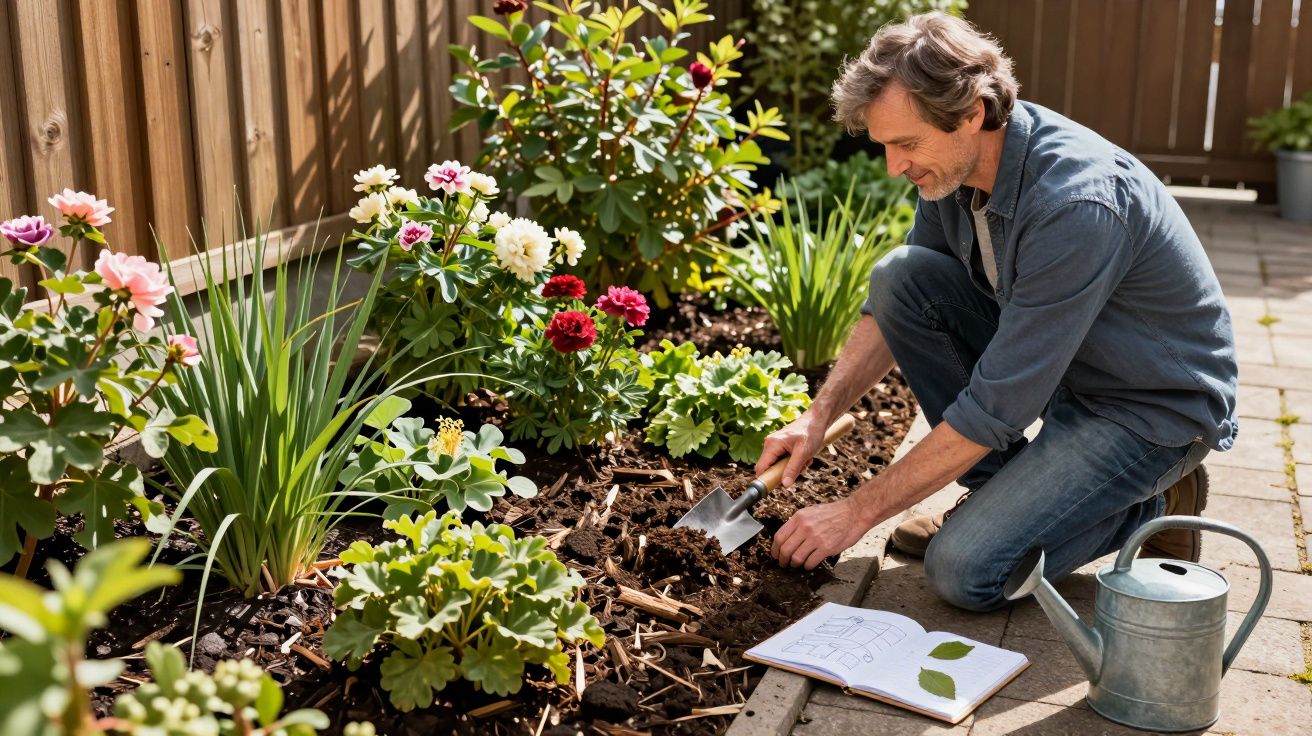
You don’t notice the lesson at first. You plant, you water, you tidy - and then you hover, wanting the garden to behave. Sustainable landscaping, paired with long-term ecological planning, asks you to do something that feels almost impolite in a culture of instant results: step back, let systems settle, and trust that the slow work pays you back in resilience.
I’m standing at the edge of a new border with a client who keeps checking the forecast as if weather were a personal negotiation. The soil is thin, the wind is sharp, and every instinct says “fix it” - add compost, add irrigation, add more plants, add stakes, add control. But the more you force a garden into a shape it can’t hold, the more maintenance it demands just to stay upright.
The odd truth is that the most sustainable gardens look calm not because someone mastered them, but because someone stopped fighting them.
The mistake we make: treating a garden like a project, not a place
A conventional garden plan often reads like a shopping list: specimens, spacing, flowering times, a neat diagram that assumes the site will politely cooperate. It’s not malicious, it’s just a mindset borrowed from interiors. Choose the palette. Install the look. Maintain the look.
Living landscapes don’t work like that. Soil biology needs time to rebuild. Roots need seasons to explore. Predators and pollinators don’t arrive on the first day with clipboards; they come when there’s enough cover, food, and continuity to make the risk worth it. When you push for immediate perfection, you usually end up with bare mulch, thirsty plants, and a cycle of interventions that keeps the ecosystem immature.
Control can create quick “after” photos. Patience creates a garden that stays good when you’re busy, broke, ill, or away.
What patience actually looks like in sustainable landscaping
Patience isn’t neglect. It’s choosing actions that compound rather than reset. It’s doing the boring, structural things - then waiting long enough to see what they unlock.
Here’s the shift that changes everything: stop asking “How do I keep this exactly as designed?” and start asking “What conditions make the desired outcome inevitable?”
A practical way to think about it:
- Feed the soil, not the plant list. Mulch, compost, leaf mould, and reduced disturbance build structure and water-holding capacity over time. You’ll water less because the ground can finally store moisture instead of shedding it.
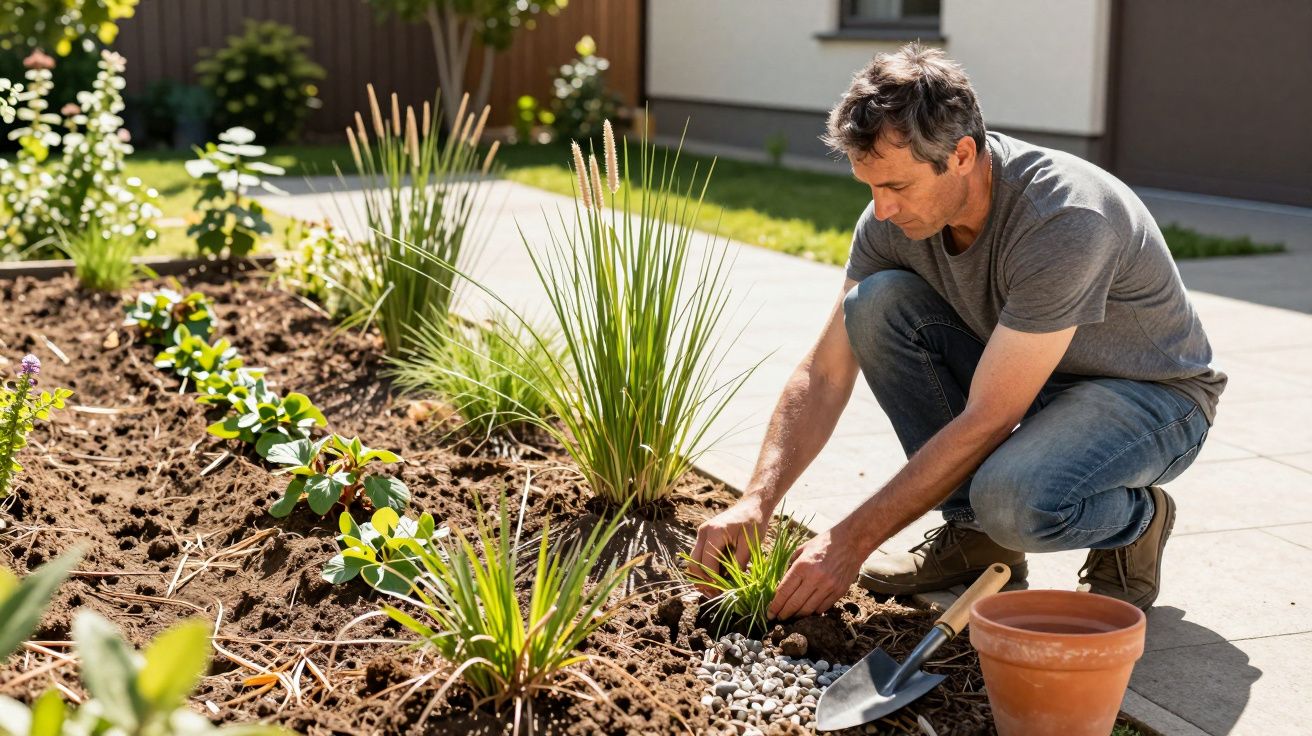
- Plant in communities, not solos. Groundcover under shrubs, grasses woven through perennials, bulbs threaded below. This reduces open soil, shades roots, and makes the whole thing harder for weeds to invade.
- Choose “survivors” before “showpieces”. Native and well-adapted species aren’t a moral badge; they’re a strategy for fewer inputs, fewer replacements, and more consistent habitat.
- Accept the early mess. Year one often looks sparse. Year two looks like it’s arguing with itself. Year three is when the garden starts to feel like it knows what it’s doing.
The common slip-up is panic-planting in gaps, then panic-watering the new additions, then panic-feeding when growth doesn’t match the fantasy. A garden that’s always being “saved” never gets to stabilise.
Long-term ecological planning: the art of designing for who arrives later
Long-term ecological planning is less about predicting the future and more about leaving doors open for it. You plan for succession: what fills in, what shades out, what self-seeds, what migrates in from the hedgerow or the neighbour’s garden.
That means your success metrics change. Instead of obsessing over constant bloom or constant neatness, you watch for quieter signals:
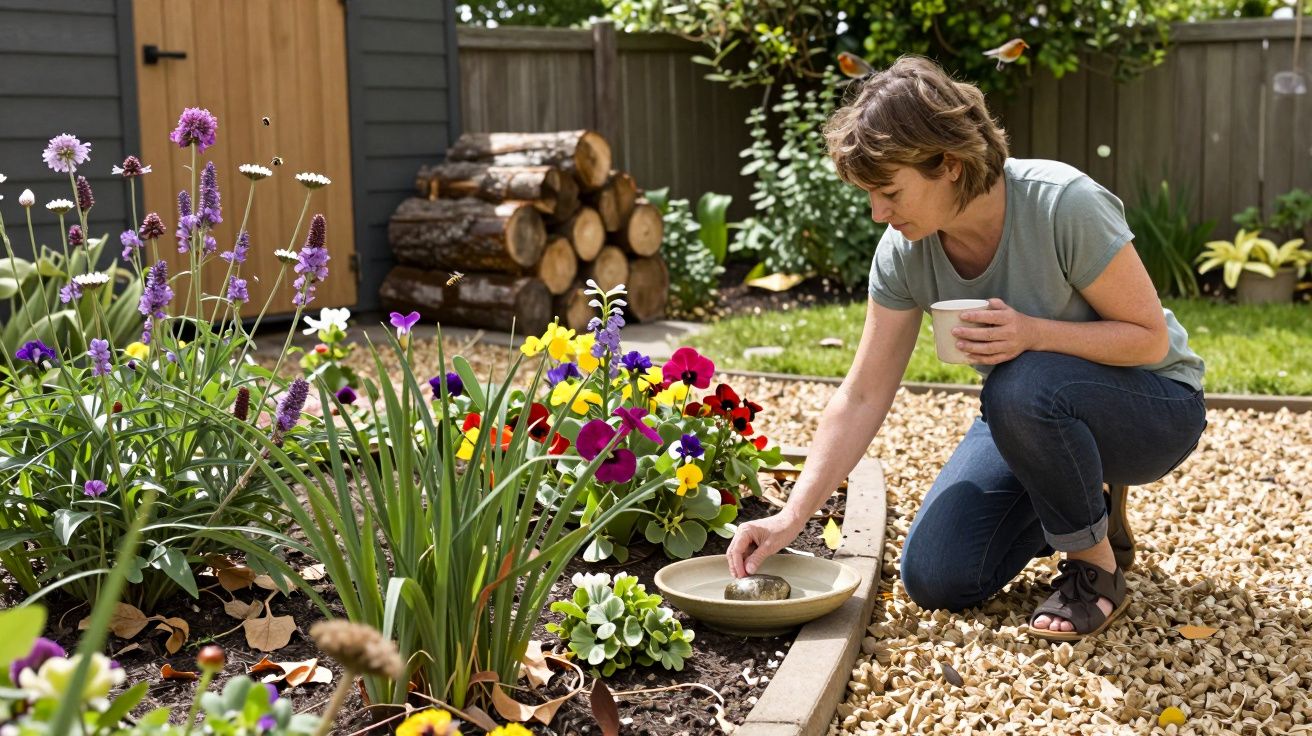
- Are you seeing more hoverflies and parasitic wasps in summer?
- Do birds forage in the border rather than just visit the feeder?
- Does the soil stay crumbly and dark instead of drying into dust?
- Are “problems” arriving later and smaller - aphids, mildew, slugs - because predators have a foothold?
Control tries to eliminate variability. Ecology runs on it. A garden built for long-term function can absorb dry springs, wet summers, and the occasional missed weekend without collapsing into emergency mode.
One landscaper I know puts it bluntly: “If your design needs you every Saturday, it’s not sustainable - it’s a hobby with guilt attached.”
A gentler playbook: intervene less, but intervene smarter
There are moments when you should act decisively. The patience is in when and why, not in doing nothing forever.
A useful rhythm is: establish, observe, adjust - then repeat.
- Establish the base. Improve soil surface structure, plant densely enough to cover ground, and ensure water gets to roots in the first year.
- Observe a full season. Track sun, wind funnels, frost pockets, where rain runs, which plants sulk and which thrive without applause.
- Adjust with small moves. Move a plant rather than replace it. Add a nurse plant rather than a chemical. Change mowing height rather than wage war on “weeds”.
In practice, that might mean:
- Leaving seedheads through winter so birds feed and stems shelter overwintering insects.
- Cutting back in stages (the “Chelsea chop” approach) to spread flowering and reduce flopping, instead of staking everything like a hospital ward.
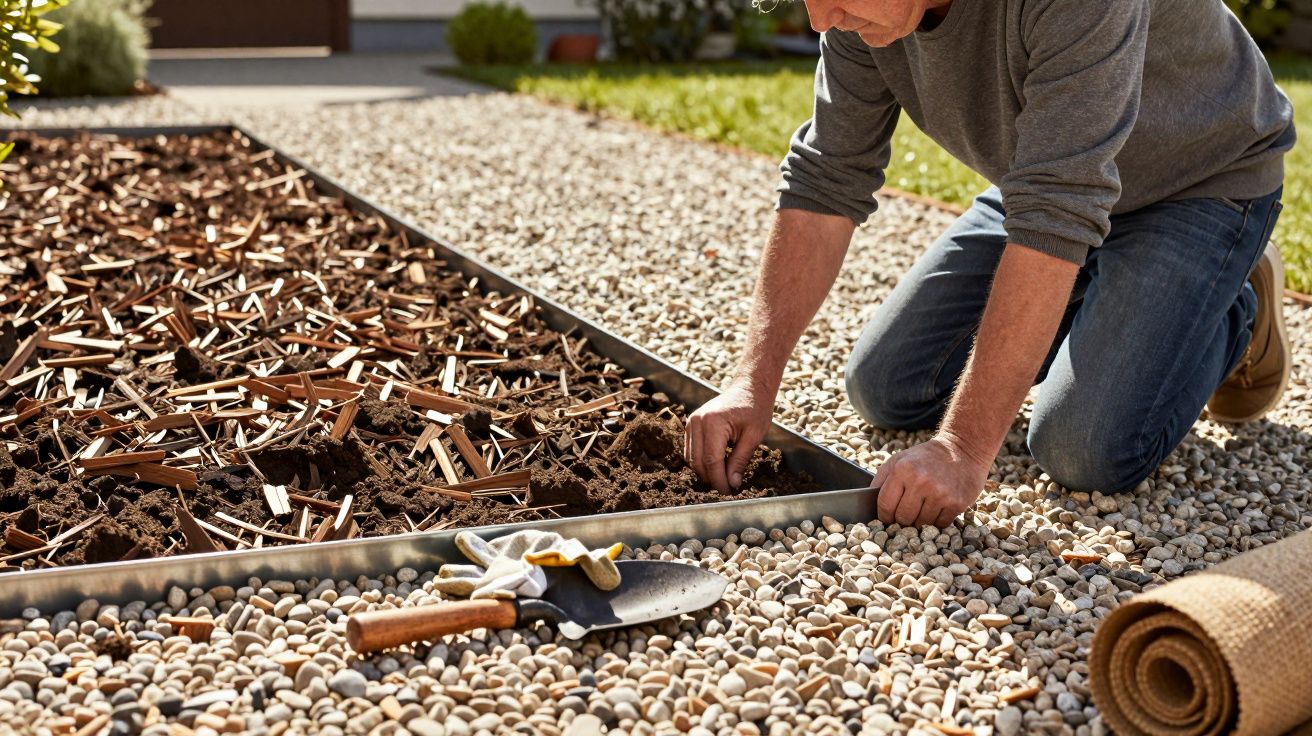
- Using paths, edges, and mown strips as “order cues” so the garden reads intentional even when it’s wild in the middle.
Soyons honnêtes: nobody gardens perfectly all year. Sustainability is choosing defaults that forgive you.
The paradox: a bit of disorder is what makes a garden low-maintenance
People often think sustainable gardens are just “wild” and therefore effortless. In reality, they’re structured - just not micromanaged. They have layers. They have redundancy. They have enough life in them that one failure doesn’t become a crisis.
A monoculture border can look controlled, but it’s fragile. One pest, one drought, one harsh winter and half your planting plan becomes a reordering exercise. A mixed planting looks slightly less obedient on a Tuesday in June, but it tends to hold its shape across years.
And that’s the reward you can’t buy with quick fixes: the garden begins to regulate itself. Shade reduces evaporation. Dense cover suppresses weeds. Predators move in. Soil improves. You still garden - but you stop firefighting.
| Shift | What you do | What you get |
|---|---|---|
| From display to system | Build soil, plant in layers, reduce disturbance | Less watering and fewer replacements |
| From instant results to seasons | Observe for a year before big changes | Fewer wrong plants in wrong places |
| From control to resilience | Allow self-seeding and natural predation | Fewer “problems” to solve |
A small checklist to keep you honest this month
If you want the benefits of sustainable landscaping without the overwhelm, keep it simple:
- Pick one area to improve rather than redesigning everything.
- Add one consistent mulch habit (spring or autumn, same week each year).
- Plant in threes or fives and underplant to cover soil.
- Water deeply and less often in year one, then taper; don’t create dependency.
- Keep one notebook page: what thrived, what struggled, where water sat, where wind burned leaves.
Small, repeated actions are how gardens change their trajectory. You don’t “finish” a sustainable garden; you set it up to mature.
FAQ:
- Isn’t patience just another word for leaving a garden untidy? No. Patience is choosing structural improvements and letting them take effect. You can keep clear edges, paths, and a few focal points while still letting planting behave more naturally.
- How long does it take for a sustainable garden to feel established? Typically 2–3 growing seasons. Year one is establishment, year two is bulk, year three is balance - though weather and soil can stretch or shorten that timeline.
- Do I need only native plants for long-term ecological planning? Not necessarily. Prioritise natives and well-adapted plants that support local wildlife, but a mixed palette can still be ecologically valuable if it reduces inputs and provides consistent habitat and nectar.
- What’s the quickest win that reduces maintenance? Cover bare soil. Dense planting and organic mulch reduce weeds, stabilise moisture, and protect soil biology - all of which saves time quickly.
- When should I step in and be more “controlling”? When a plant is genuinely invasive in your area, when a young tree needs formative pruning, or when drought stress in year one risks killing new planting. Targeted control early often prevents bigger interventions later.



Comments (0)
No comments yet. Be the first to comment!
Leave a Comment