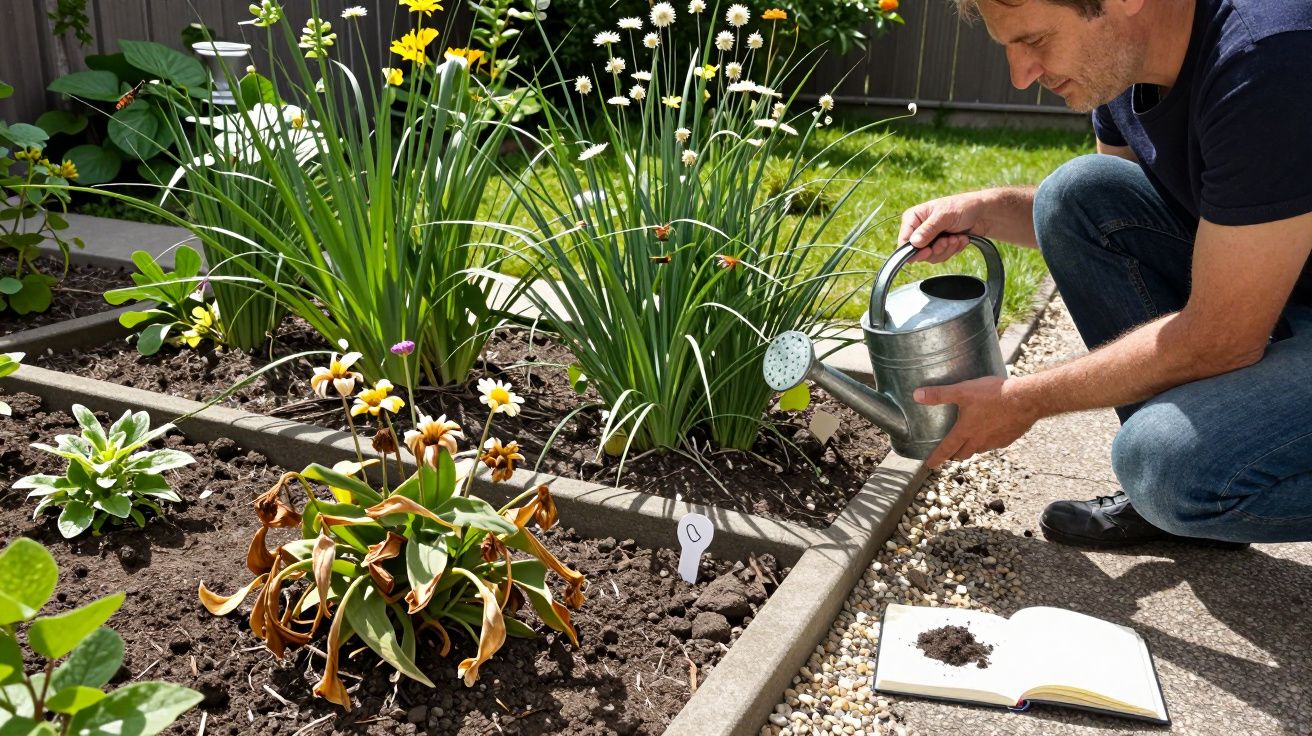
The problem with “pretty” planting is that it assumes next week will behave like last week. Native plants make climate change adaptation feel less like guesswork in gardens, streetscapes, and public parks, because they’ve already been tested by the place you live in. When the weather swings-drought to downpour, late frost to sudden heat-those local survival traits matter more than colour charts.
Walk past two borders after a brutal summer: one packed with thirsty ornamentals, the other built around locally evolved species. In the first, leaves crisp, flowers drop early, and the whole thing looks tired by July. In the second, it may not look “perfect”, but it keeps going-because resilience is the job, not just display.
What native plants are really good at (and why that matters now)
Native plants aren’t magical. They’re just matched to the local pattern of rainfall, soil chemistry, pests, and seasonal timing in a way imported decorative species often aren’t.
Climate change doesn’t only mean “warmer”. It means more unpredictable. And unpredictability punishes plants that rely on narrow conditions: steady moisture, mild winters, a predictable spring.
Here’s what local adaptation looks like in practice:
- Roots built for local soils: deeper roots for dry spells, fibrous roots to hold slopes, or tolerance for heavy clay.
- Timing that fits the local calendar: budburst and flowering that’s less easily tricked by a warm week in February.
- Defences against local pressure: insects, fungi, and browsing animals that have been part of the ecosystem for centuries.
This is why a native hedge can look calm in a heatwave while a mixed ornamental screen needs constant watering just to stay upright.
The hidden cost of “decorative”: it’s not the plant, it’s the maintenance
A decorative species can thrive-if you keep propping it up. The bill comes in water, fertiliser, pesticides, replacements, and labour.
People often frame it as a taste question: wild versus manicured, soft versus structured. It’s more basic than that. If a plant only looks good when the conditions are controlled, it becomes fragile the moment conditions aren’t.
Think of it like the new climate information appearing at the fuel pump: what used to be invisible gets shown right where the decision happens. With planting, the “label” is the first hard season. The border either carries itself, or it demands inputs you didn’t budget for.
A quick garden scenario to make it concrete
A front garden is replanted with Mediterranean ornamentals because they looked drought-tolerant on Instagram. The first year is fine, because the weather behaves and the soil is improved.
Then you get a wet winter, a late frost, and a humid summer. The plants that hated cold sit in soggy ground and sulk; the ones that hated humidity pick up mildew; the ones that needed sharp drainage rot at the crown. By autumn, you’re not gardening-you’re replacing.
Native plants don’t guarantee zero losses, but they reduce the number of “surprises” that turn into a full reset.
Why ecosystems back up natives (and ornamentals often stand alone)
A plant doesn’t live in isolation. It’s part of a web: pollinators, soil fungi, birds, predators that keep pests in check. Native plants have more of that support system available.
When you plant a species that local insects recognise, you feed the base of the food chain. That can sound abstract until you notice the practical benefits: fewer pest explosions, better pollination, and healthier soils that hold moisture more evenly.
Ornamentals can still offer nectar, structure, and beauty. But many are ecological dead ends: attractive to us, less useful to the local network that stabilises a landscape under stress.
What this means during extremes
- In drought, healthy soil and mycorrhizal partnerships matter as much as the plant’s leaves.
- In prolonged wet, root resilience and disease resistance decide what survives.
- In heat spikes, leaf structure and transpiration control affect scorch and drop.
Native plants are more likely to have “boring” traits that win these battles.
How to choose natives without ending up with a scruffy mess
People avoid natives because they picture a meadow that looks untamed, or a wildlife corner that doesn’t feel intentional. That’s a design problem, not a plant problem.
Use natives like a toolkit: pick structure first, then fill. Shrubs and grasses give shape; flowering perennials do the seasonal work; groundcovers stop weeds and stabilise soil.
A simple approach that works in most gardens
- Match the plant to your soil, not your wish: clay, chalk, sand, damp shade, windy coast-start there.
- Aim for layers: canopy (if you have space), shrub, herbaceous, ground layer.
- Plant in drifts, not singles: repetition reads as deliberate, not accidental.
- Leave a little “mess” on purpose: seedheads and stems protect insects and reduce winter maintenance.
If you want the tidy look, you can still have it. You just get it through structure and repetition rather than constant rescue.
Practical swaps that improve resilience fast
You don’t need to rip everything out. The quickest wins come from replacing the most failure-prone, high-input plants first-often those in full sun, shallow soil, or exposed sites.
- Swap high-water bedding for native perennials that can cope with your summer dry spells.
- Replace vulnerable hedging with native mixes that handle wind, frost, and local pests.
- Use native grasses and groundcovers on slopes and verges to reduce erosion after heavy rain.
- Choose locally sourced native stock where possible; “native” can still vary by region.
The aim is not purity. It’s reliability.
The point isn’t guilt. It’s giving your garden a better baseline.
Climate change adaptation in planting isn’t about building a perfect, future-proof border. It’s about reducing the number of crises you have to manage when the weather does what it’s been doing more often: swinging hard, arriving early, or not arriving at all.
Native plants outperform decorative species in unpredictable climates for the same reason a well-designed system beats a beautiful one that needs constant supervision. They make the default setting more stable. And when the season goes sideways, stability is what keeps things alive.
A quick checklist before you buy
- What is my soil like when it’s wet, not when it’s dry?
- Where does water sit after heavy rain?
- Which areas bake in full sun and wind?
- What failed here before, and why?
- Can this plant survive a bad year without extra watering?
If you can answer those, you’ll make better choices-native or not. But natives will usually give you a head start.
FAQ:
- Are native plants always better than ornamentals? Not always. Some ornamentals are tough and low-input, but native plants are more likely to be resilient without extra water, feeding, and protection as weather becomes less predictable.
- Will a native garden look messy? It can, if it’s unmanaged. Use strong shapes (shrubs, grasses), repeat planting in groups, and choose a clear edge or path-structure makes natives look intentional.
- Do native plants need no watering at all? New plants often need watering while they establish. The difference is that once settled, many natives cope better with dry spells and rebound faster after stress.
- How do I know what counts as native where I live? Check local wildlife trusts, council planting lists, or reputable UK native nurseries. “Native” can mean different things in Cornwall versus Cumbria, so local guidance helps.
Comments (0)
No comments yet. Be the first to comment!
Leave a Comment