
Gardens get oddly tense when we treat them like a contest. Mixed planting layers and biodiversity-led landscaping offer a calmer alternative: building planting in vertical bands-groundcovers, perennials, shrubs, climbers and trees-so the space stays productive, resilient and easier to look after. It matters because most “problem” gardens aren’t failing from lack of effort; they’re failing from too much dominance in one layer.
You’ve seen the pattern. A single star plant takes over, bare soil sits exposed beneath it, and the whole border swings between feast and famine-flush growth in spring, scorched gaps in summer, soggy rot in winter. The fix isn’t more control. It’s more structure.
The dominance trap: tidy, dramatic, fragile
A dominance-led border looks good for a photo. One species, one height, one moment of glory. Then reality turns up with wind, slugs, drought, a late frost, and the whole thing sulks at once.
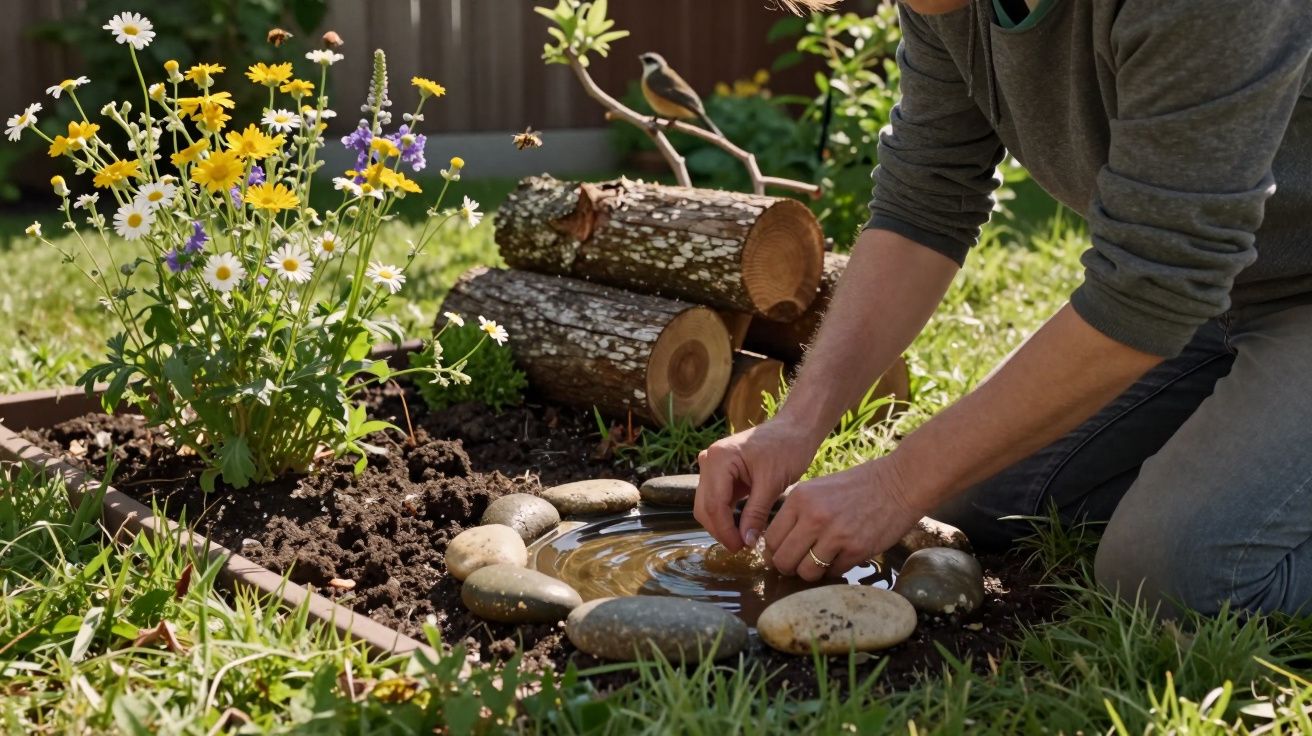
The issue is less about which plant you chose and more about what you left out. When you skip layers, you skip jobs: shading soil, breaking rain impact, feeding pollinators across seasons, and offering shelter to the quiet workforce-beetles, spiders, frogs, birds-that keeps pests from becoming a headline.
A garden doesn’t stay green by winning. It stays green by sharing the work.
What “layers” really means in a small garden
People hear “layers” and picture woodland, or a big estate. In practice, mixed planting layers can be done in a two-metre border, a courtyard, even deep containers-because layering is about function, not acreage.
Think of it as a stacked system:
- Canopy / small tree layer: light shade, leaf litter, structure.
- Shrub layer: shelter, berries, nesting cover, winter bulk.
- Herbaceous layer (perennials and annuals): flowers, predators, season-long interest.
- Groundcover layer: soil shading, weed suppression, moisture stability.
- Root layer: bulbs, deep-rooters, nitrogen fixers-nutrients and drainage.
- Climber layer (optional): vertical nectar, extra habitat without stealing floor space.
The goal isn’t a jungle. It’s coverage with intention, so no single plant has to do everything.
Why layered planting stays greener with less fuss
When the soil is shaded, it loses less water. When rainfall hits leaves before soil, it compacts less. When there are multiple flower shapes across months, you get a steadier stream of pollinators-and, crucially, the predators that follow them.
Layering also changes the pest story. A monoculture is a buffet with a signpost; a layered bed is a neighbourhood. Pests still arrive, but they meet hoverflies, lacewings, ground beetles and small birds that have somewhere to live between meals.
The “quiet upgrade” you notice by August
In a hot spell, dominance gardens show their seams first: cracked soil, stressed plants, a rush to the hose. Layered gardens hold on longer. The ground stays cooler, the leaf canopy reduces wind desiccation, and the mix of rooting depths means not everyone is fighting for the same sip of water at the same level.
That’s not magic. It’s basic ecology, applied with a trowel.
A simple way to build mixed planting layers without overthinking it
Start with one bed and treat it like a system you’re assembling, not a display you’re staging. You’re looking for compatibility in light, moisture and soil type, but you’re also looking for roles.
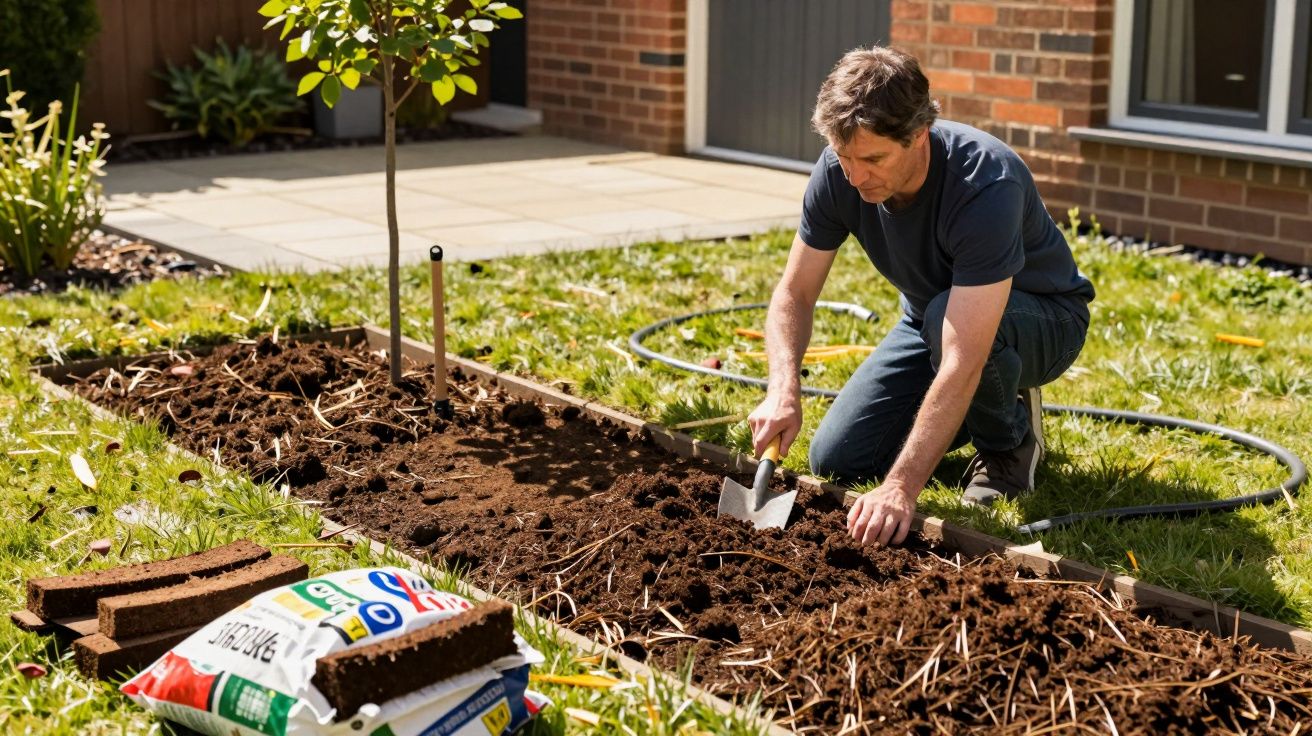
- Pick your anchor (one shrub or small tree) for shape and shade.
- Add two or three mid-layer plants that can handle the same conditions and won’t collapse after flowering.
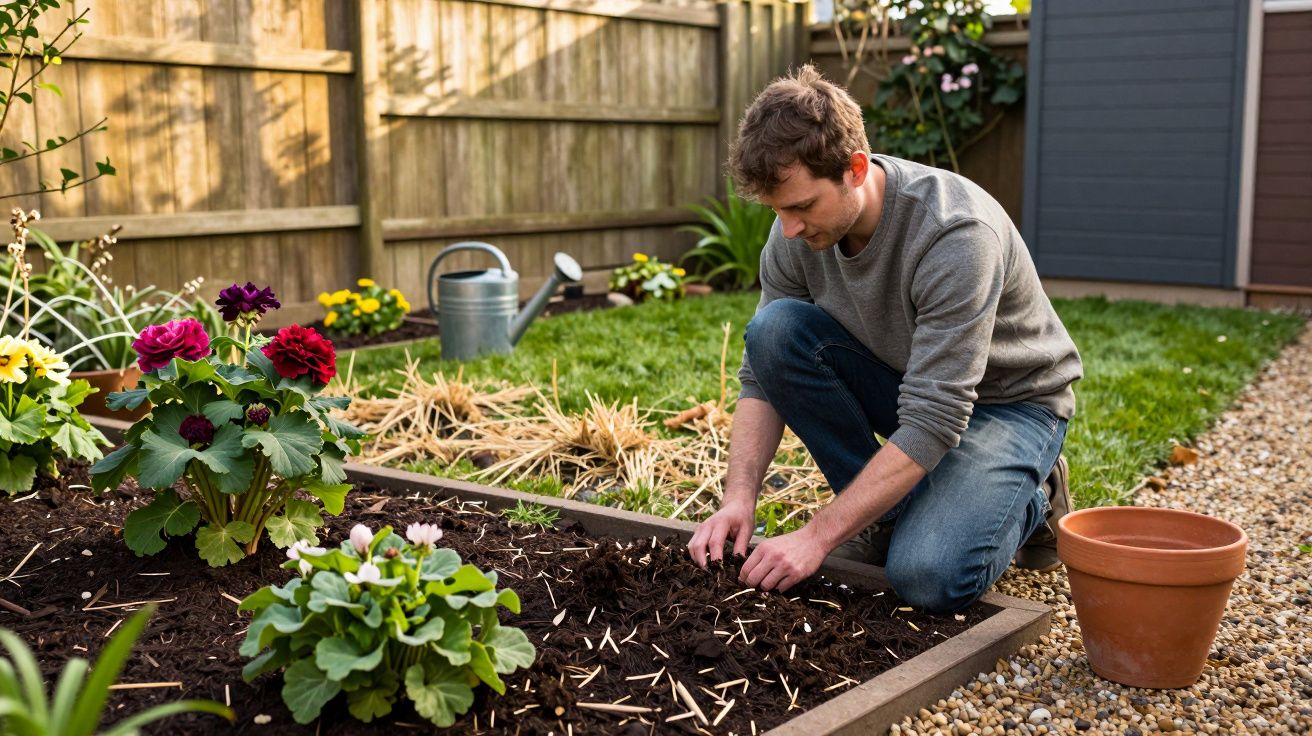
- Fill the ground with a living mulch-something low, spreading, and not precious.
- Thread in seasonal pulses: bulbs for spring, airy flowers for summer, seedheads for autumn.
- Leave a little access (stepping stone or narrow path) so maintenance stays realistic.
If you’re unsure, repeat small groups. Three of one perennial in a drift looks intentional, and it still plays nicely with diversity.
Plant choices that behave like good neighbours
You don’t need rare varieties. You need plants that hold space without bullying it, and that offer resources at different times.
Here are examples that often layer well in UK gardens (adjust for your light and soil):
- Dappled shade: Amelanchier (small tree) + hydrangea or sarcococca (shrub) + hardy geraniums and ferns (herbaceous) + lamium or ajuga (groundcover) + spring bulbs.
- Sunny, free-draining: lavender or rosemary (shrub) + salvias and achillea (herbaceous) + thyme or creeping sedum (groundcover) + alliums and narcissus for early lift.
- Damp-ish, part sun: dogwood (shrub) + astrantia and persicaria (herbaceous) + carex (ground layer) + bulbs that tolerate moisture like snake’s head fritillary in the right spot.
The common thread is not “pretty”. It’s staggered bloom, varied structure, and soil that’s rarely naked.
The maintenance myth: more plants, more work
Layering can look like more to manage, but it often reduces the worst jobs. Less bare soil means fewer weeds germinating. Better moisture retention means fewer panicked waterings. A mix of plants means one failure doesn’t turn into a blank patch you have to rescue in July.
There are still rules. Overpack and air flow suffers; underpack and weeds move in. Aim for coverage that closes gaps by mid-summer, then edit in autumn or early spring.
A quick “layer check” you can do in one minute
Stand back and ask:
- Can you see soil from across the bed?
- Do you have flowers (or seed/berries) in more than one season?
- Is there shelter at more than one height?
- If one plant fails, does the bed still look like a garden?
If you answer “no” to most, you’re not failing. You’re just missing layers.
Where biodiversity-led landscaping fits in (without turning your garden wild)
Biodiversity-led landscaping isn’t about abandoning design. It’s about choosing design moves that support life: mixed heights, continuous resources, and fewer dead zones.
A layered bed can still be crisp. You can edge it, repeat shapes, and keep a limited palette. The difference is that underneath the style, the system functions-so the garden stays greener without you having to dominate it into submission.
FAQ:
- Do mixed planting layers mean I have to plant a tree? No. A “canopy” can be a tall shrub, a multi-stem small tree, or even a climber on a pergola providing light shade.
- Will layering make my border look messy? Only if you skip structure. Repeat a few key plants, keep clear edges, and use one or two evergreen shapes to hold the design together.
- What’s the fastest layer to add if my bed feels bare? Groundcover. A living mulch is the quickest way to protect soil, reduce weeding, and make everything look more intentional.


Comments (0)
No comments yet. Be the first to comment!
Leave a Comment