Greener gardens rarely win on day one. Yet once you look past the instant “finished” look of paving and tightly clipped borders, sustainable landscaping paired with long-term ecological planning tends to produce spaces that cope better with weather swings, pests and changing family needs. For most homeowners, that matters less as an ideal and more as a weekly reality: fewer failed plants, less water stress, and a garden that improves rather than unravels.
Traditional designs often feel reliable because they’re familiar-lawn, bedding plants, a hard-edged patio and a few shrubs. The catch is that many of those choices perform like a short-term display: they look great when everything is watered, fed and replaced on schedule, then slump the moment the routine slips.
Why “traditional” gardens can quietly become high-maintenance
A conventional garden usually depends on control. Neat lawns need frequent mowing and feeding; annual bedding needs replacing; hedges want regular trimming; and bare soil invites weeds, so you end up weeding or mulching constantly.
None of that is wrong. But it does mean the garden’s success is tied to inputs-time, water, fertiliser, and sometimes pesticides-rather than resilience.
The garden that looks simplest from the kitchen window can be the one that demands the most behind the scenes.
Climate adds pressure. Hotter, drier spells punish shallow-rooted lawns and thirsty ornamentals. Sudden downpours then wash nutrients out of exposed soil, leaving you to correct the problems you didn’t create on purpose.
The quieter advantage of greener gardens: they behave like systems
Sustainable landscaping treats the garden less like an outdoor room to keep “perfect” and more like a living system to steer. It stacks small advantages-healthier soil, better plant selection, more shade and shelter-until the whole space asks less of you.
Long-term ecological planning is what stops the approach from becoming a scatter of good intentions. It’s the difference between adding a wildflower patch and designing a garden that still looks good and functions well five years from now, when trees have grown, borders have thickened, and rainfall patterns keep shifting.
What changes when you plan for ecology over time
A greener garden doesn’t just add more plants. It changes how the garden works:
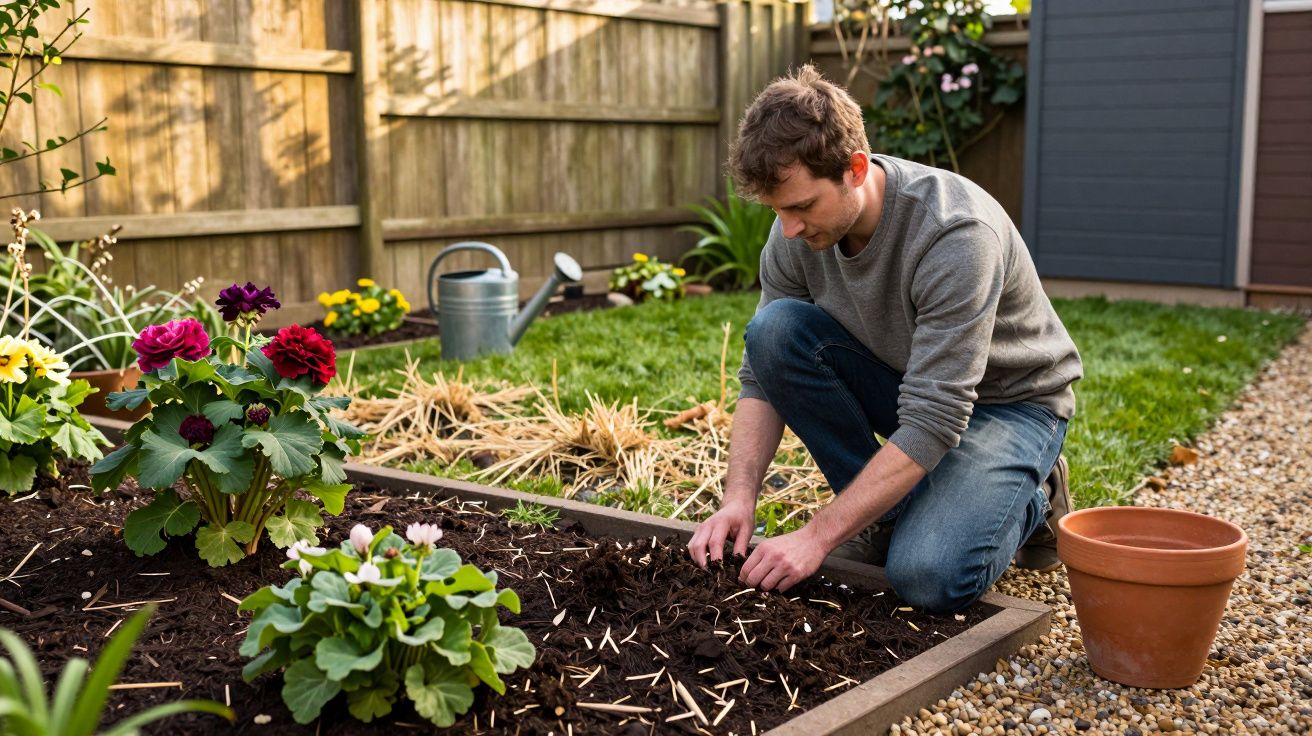
- Soil is covered (mulch, ground cover, leaf litter) so it stays cooler and holds moisture.
- Planting is layered (trees, shrubs, perennials, ground cover) to reduce wind and create habitat.
- Water is slowed down (rain gardens, swales, permeable surfaces) so it soaks in rather than runs off.
- Diversity is built in so one pest or dry month doesn’t wipe out the whole display.
The result is not “untidy by default”. It’s a garden that can absorb a missed week of watering or an unexpected heatwave without collapsing into replacement shopping.
Where greener gardens tend to outperform over the years
Most people notice the benefits in three places: water use, plant survival, and the amount of intervention needed to keep things looking decent.
1) Water: less panic in dry spells, fewer puddles in wet ones
Lawns and containers can drink heavily in summer, and paved areas can channel rain straight into drains in winter. Greener designs aim for the middle ground: store water in the soil when it’s available and make it accessible to plants later.
Practical swaps that change the water story:
- Replace small areas of lawn with drought-tolerant ground cover or meadow-style planting.
- Choose permeable paving or gravel where you would otherwise pour an impermeable slab.
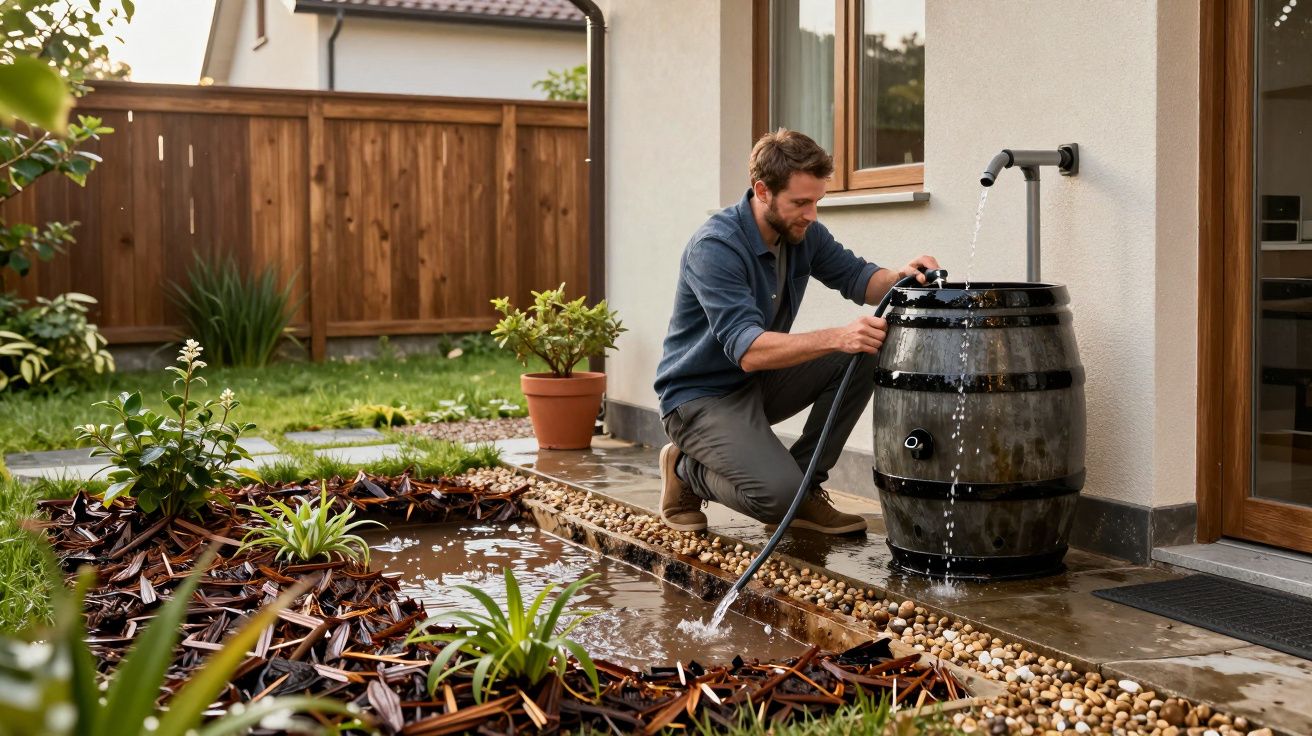
- Add a water butt to capture roof runoff for dry weeks.
- Build a shallow rain garden in a low spot where water already collects.
None of these rely on gadgets. They rely on letting the garden do what it wants to do-just in a controlled direction.
2) Planting: higher survival, fewer replacements
Traditional schemes often lean on plants that perform best with consistent feeding, watering and deadheading. Greener schemes are more selective: right plant, right place, then let roots do the heavy lifting.
A useful rule is to prioritise plants that can handle your “worst week”, not your best. If you go away in July, choose planting that won’t punish you for it.
3) Pests and disease: fewer boom-and-bust cycles
Monocultures invite problems. A single-species hedge, a lawn-only front garden, or a border filled with one favourite plant can become an easy target for pests and disease, especially as winters become milder.
More diverse planting doesn’t eliminate pests; it limits the damage. Birds, hoverflies, ladybirds and parasitic wasps show up when there’s food and shelter, and over time they do some of the control work for you.
The method that keeps a greener garden attractive (not chaotic)
The fear many people have is that “ecological” means “messy”. The trick is to keep strong structure and soften everything else. Think of it as a garden with clear bones.
A simple structure that works in most UK gardens
- One or two main paths you can walk in any weather.
- A defined sitting area (even a small one) with a clean edge.
- Evergreen structure in a few places (shrubs, clipped forms, or grasses left standing through winter).
- Wilder zones contained within borders, under trees, or at the back-where they look intentional.
This is where long-term ecological planning pays off: you place trees and large shrubs for their eventual size, not their nursery-pot size, and you leave room for borders to knit together without swallowing your route to the shed.
| Traditional choice | Greener alternative | Why it holds up |
|---|---|---|
| Large lawn | Smaller lawn + meadow/ground cover | Less watering, less mowing, more resilience |
| Solid paving | Permeable surface + planted edges | Better drainage, cooler microclimate |
| Annual bedding | Perennials + shrubs | Fewer replacements, longer season of interest |
The long game: costs and effort often drop after the “establishment” phase
Greener gardens can ask more in year one. You might spend time improving soil, sourcing the right plants, or setting up water capture. It can feel slower because you’re building capacity rather than buying instant impact.
Then a shift happens. Plants fill in, mulch reduces weeding, shade lowers evaporation, and you stop fighting the same problems every season. Maintenance becomes more like editing than emergency response.
A sustainable garden doesn’t remove work. It changes the work from constant correction to seasonal care.
What to do if you want the benefits without redesigning everything
You don’t need a full overhaul to move towards sustainable landscaping. Start with the areas that create the most ongoing hassle.
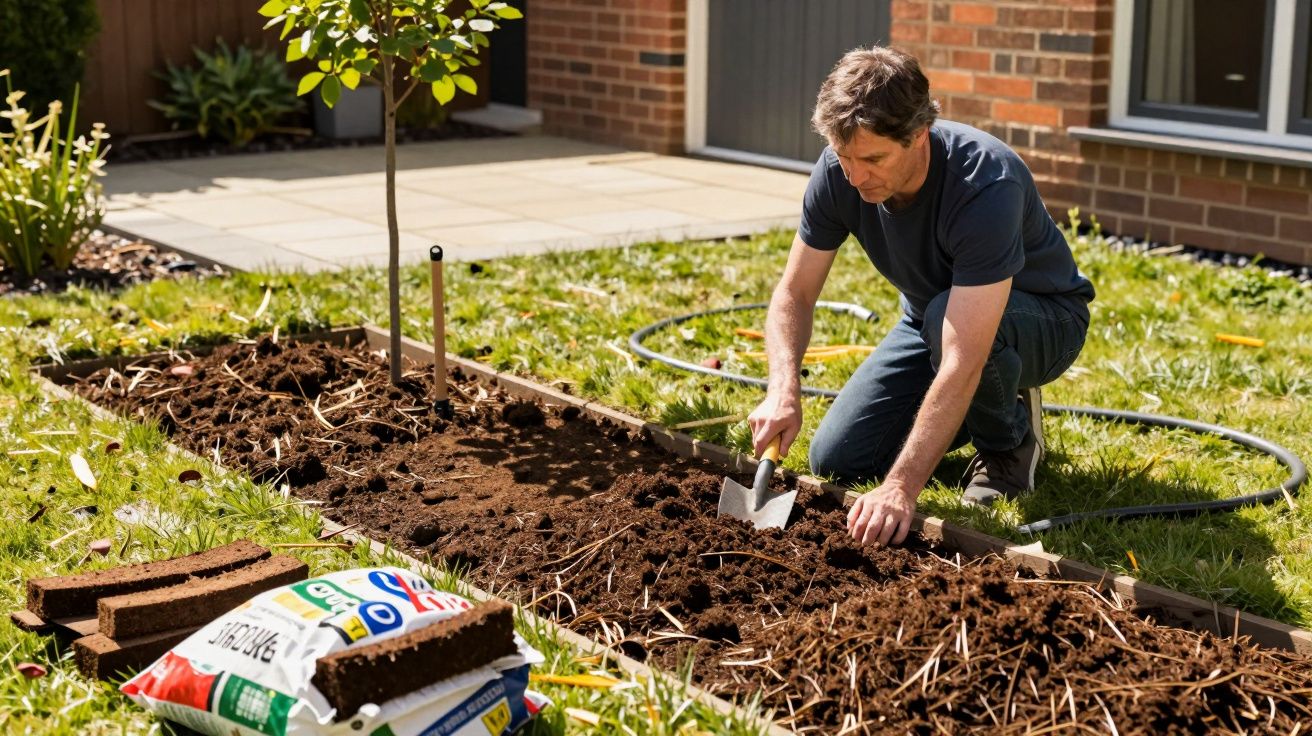
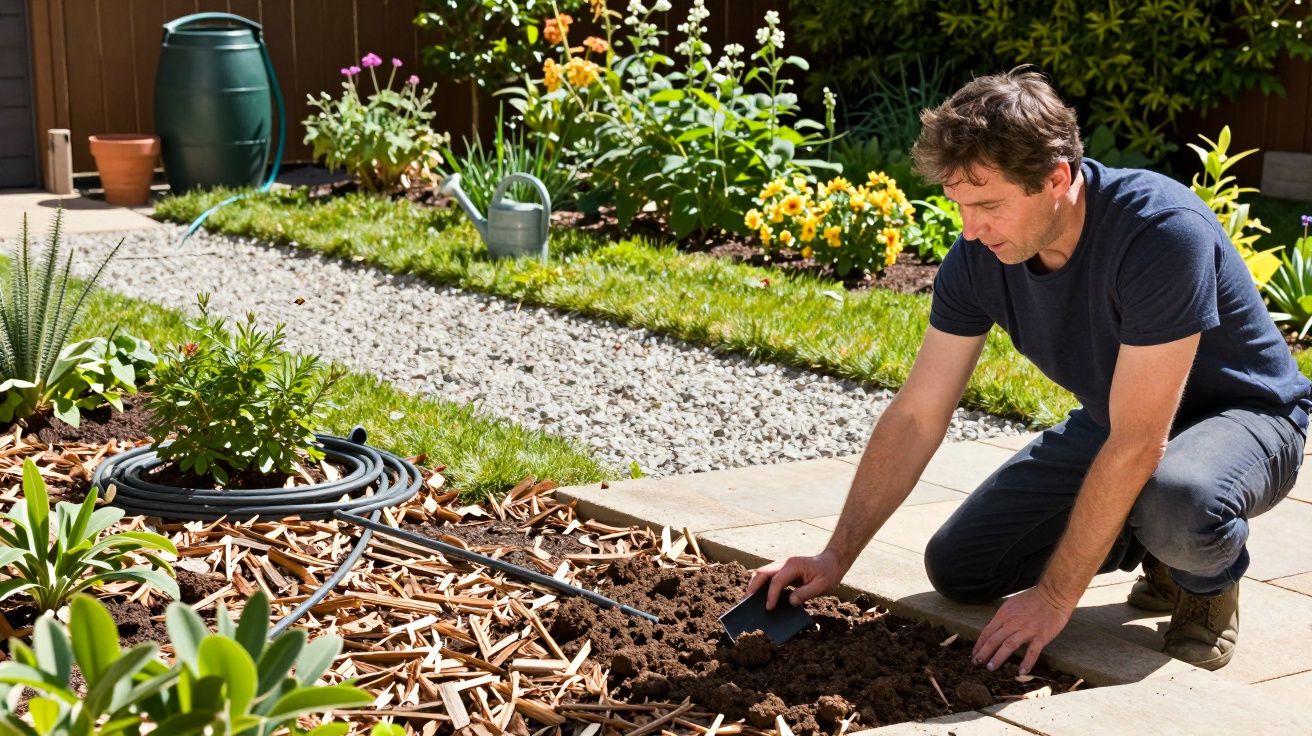
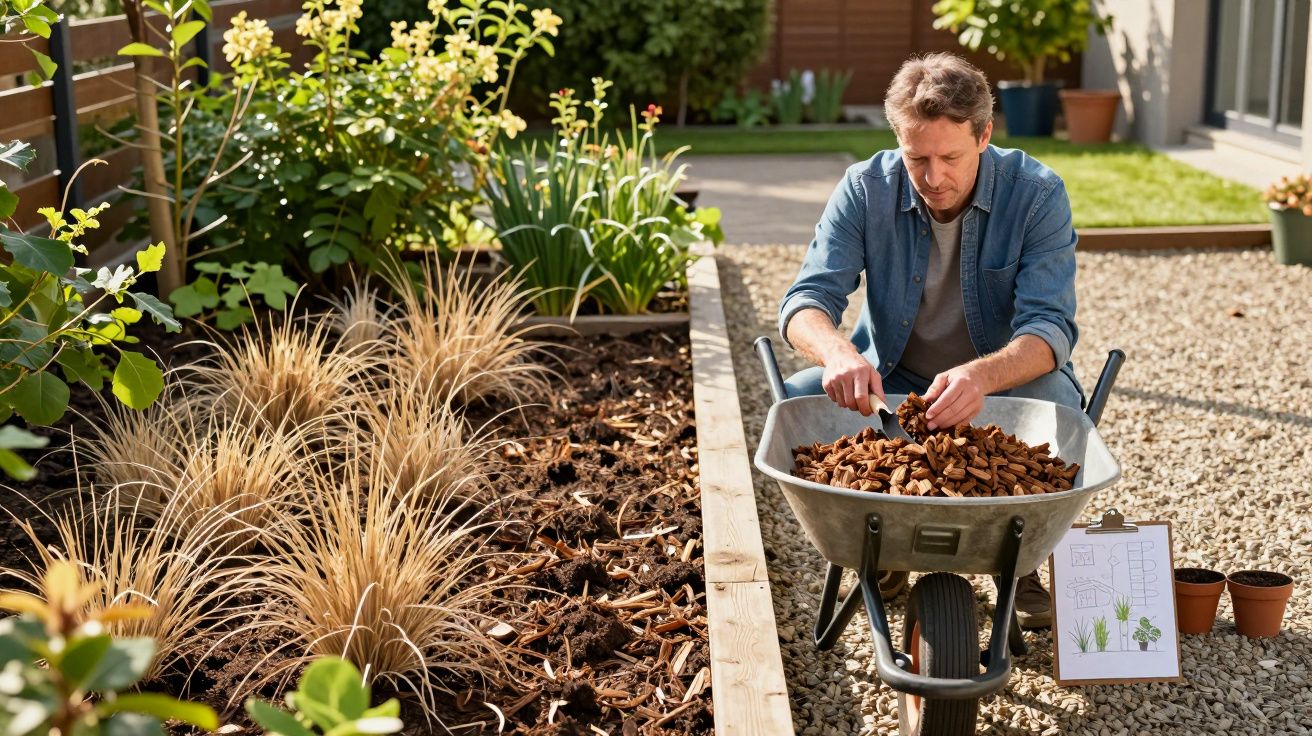
- Mulch one border properly (5–8 cm of composted bark or garden compost) and watch what happens to weeding and watering.
- Replace a strip of lawn that always goes brown with tougher planting or a small meadow mix suited to your light and soil.
- Add one tree or large shrub in the right place, chosen for mature size, to create shade and shelter over time.
- Swap a section of hard surface for a permeable option where rain currently pools.
Do one change, let it settle for a season, then build from what works in your specific garden rather than copying a photo.
When “greener” doesn’t work as promised
Some gardens struggle because the constraint isn’t the planting style-it’s a basic site problem.
If you repeatedly fail in the same spot, look for:
- Compacted soil (often from construction) that water can’t penetrate.
- Deep shade with dry soil under mature trees.
- Boggy ground caused by blocked drainage or a low point.
- Wind tunnels that shred new growth and dry out beds.
Treat these as design prompts. The answer might be a rain garden, a shade planting palette, a windbreak hedge, or simply improving soil structure before adding more plants.
FAQ:
- Will a greener garden look untidy in winter? Not if you keep clear edges and a few evergreen “anchors”. Leaving some seedheads and grasses standing can look deliberate, and it supports wildlife.
- Is sustainable landscaping more expensive? It can cost more at the start if you improve soil and buy quality plants, but it often reduces replacements, watering and ongoing inputs over time.
- Do I have to stop having a lawn? No. Many successful designs keep a smaller, healthier lawn and shift the rest into planting that copes better with drought and heavy rain.
- What’s the quickest win for long-term ecological planning? Put the right plants in the right place and cover bare soil. Those two steps alone improve survival, reduce weeding, and stabilise moisture.
Comments (0)
No comments yet. Be the first to comment!
Leave a Comment