Pollinator habitats don’t start with a pretty path or a seating area; they start with food, shelter, and somewhere safe to breed. That’s the quiet logic behind landscaping driven by biodiversity: you design the garden as a functioning place for insects first, and the human “look” follows later. It matters because a garden can be lush and still be empty - and when insects disappear, the whole thing becomes more fragile, more work, and oddly less alive.
I learned this the hard way watching a border that looked immaculate but never moved. No hoverflies, no bumbles, not even the small, messy ones. It wasn’t that the garden was “bad”. It was that it was designed like a room, not a habitat: clipped edges, tidy mulch, flowers that bloomed all at once and then stopped.
The uncomfortable truth: tidy gardens can be ecological deserts
A garden built for people is usually built for control. Neat lawns, bare soil, constant deadheading, everything cut back “so it looks cared for”. It reads as order, but it removes the very clutter insects use to live.
Most pollinators don’t need perfection; they need continuity. Nectar across seasons, leaves that aren’t stripped clean, stems left standing, gaps in the soil, a bit of damp shade, a bit of sun. When everything is groomed, the garden becomes a display that’s closed for business.
You can see it in the calendar. A border that peaks in June and then coasts is a feast followed by famine. Meanwhile, insects are trying to raise young, avoid being eaten, and stay warm - every week, not just on the day your roses hit their stride.
What “designing for insects first” actually means (and why it still looks good)
It isn’t about letting the garden go feral. It’s about making decisions based on function, then shaping them into something you enjoy looking at. Think of it as the difference between décor and infrastructure.
Start with three needs: food, nesting, and safety. Then layer in your human preferences - paths, views, places to sit - without bulldozing the first three.
A simple way to translate it into a plan:
- Food: long-flowering plants, plus early and late blooms
- Nesting: bare patches of soil, hollow stems, tussocky grasses, logs
- Safety: pesticide-free management and “messy” refuge areas that aren’t constantly disturbed
The surprising part is how quickly the garden becomes more beautiful once it’s doing something. Movement is a kind of colour. A border with bees working it has a pulse that a pristine border never quite manages.
The small, stubborn science of pollinator habitats
Pollinator habitats work because they turn a garden from a single event into a sequence. Many insects are active at different temperatures and different times of year, and their life cycles don’t match our planting trends.
Early in the year, queen bumblebees need fuel before there’s much in flower. Later, solitary bees need nesting sites close to forage because they don’t travel like honeybees do. Hoverflies need nectar, but their larvae often need aphids - which means a garden with zero “pests” can also mean zero predators and a wobblier system overall.
It’s not a moral stance. It’s mechanics. If the garden doesn’t provide the basics, insects spend energy searching instead of breeding. The population stays thin, and the garden relies more on human inputs to keep it looking “healthy”.
A practical layout: build the insect layer, then add the human layer
You don’t have to redesign everything. Choose one area and make it work properly, then expand. A good starter footprint is a sunny border or a cluster of pots near a door where you’ll notice what’s visiting.
Step 1: Make a “nectar timetable”
Aim for at least one reliable option in each window:
- Early: hellebores, crocus, pulmonaria, flowering currant
- Mid-season: alliums, foxgloves, scabious, oregano, lavender
- Late: sedum, ivy (flowers), verbena bonariensis, asters
Don’t get hung up on rare species at first. Consistency beats novelty. Two or three plants repeated in drifts are easier for insects to find than a collector’s patchwork.
Step 2: Put homes where the food is
A lot of “bee hotels” fail because they’re decorative, badly placed, or cleaned never. Better basics are quieter:
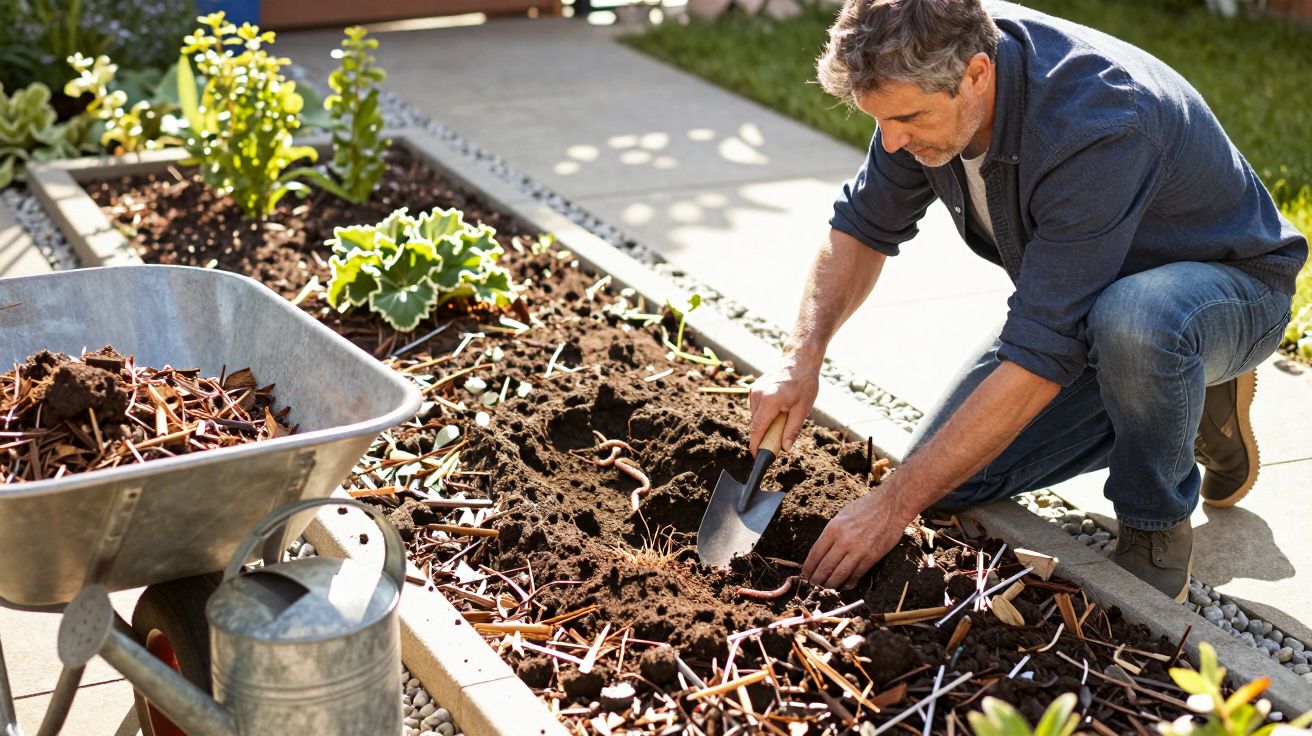
- Leave 10–20% of a bed with open soil for ground-nesting bees
- Keep a log pile or stacked branches in a shaded corner
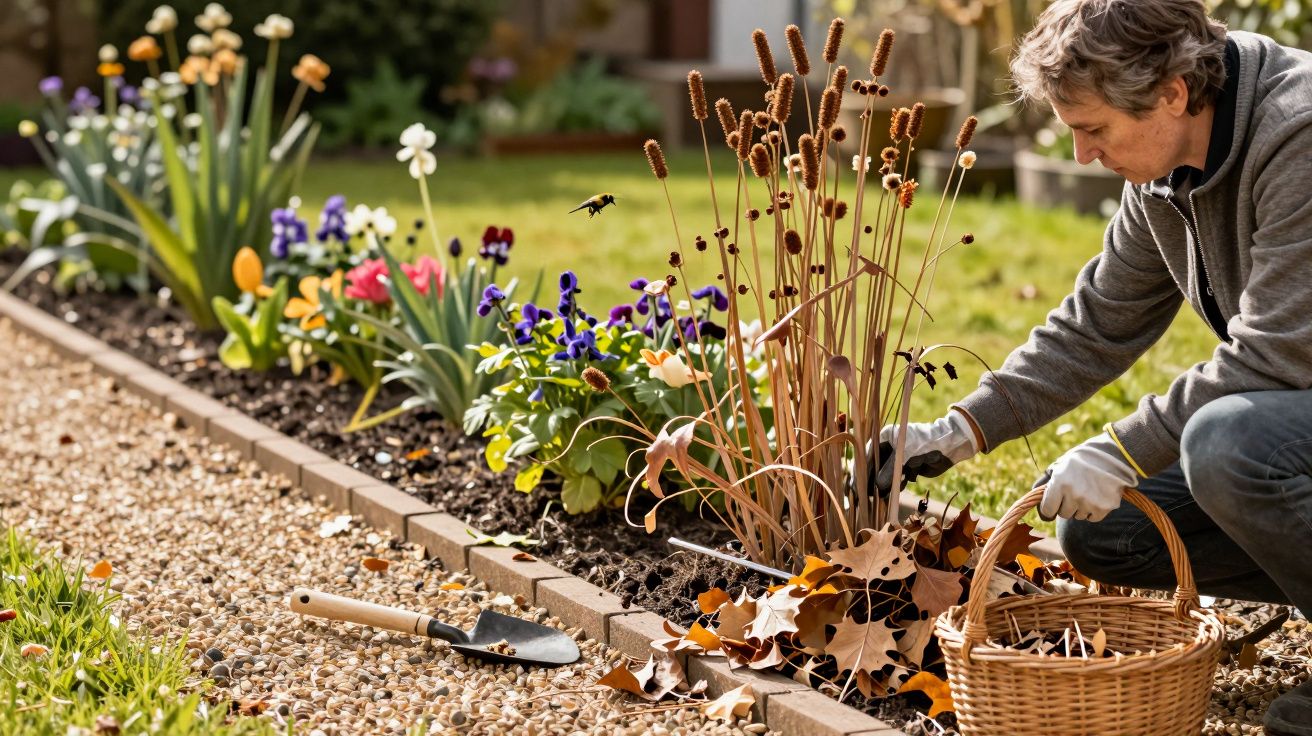
- Leave some hollow stems standing over winter, then cut in spring once it warms
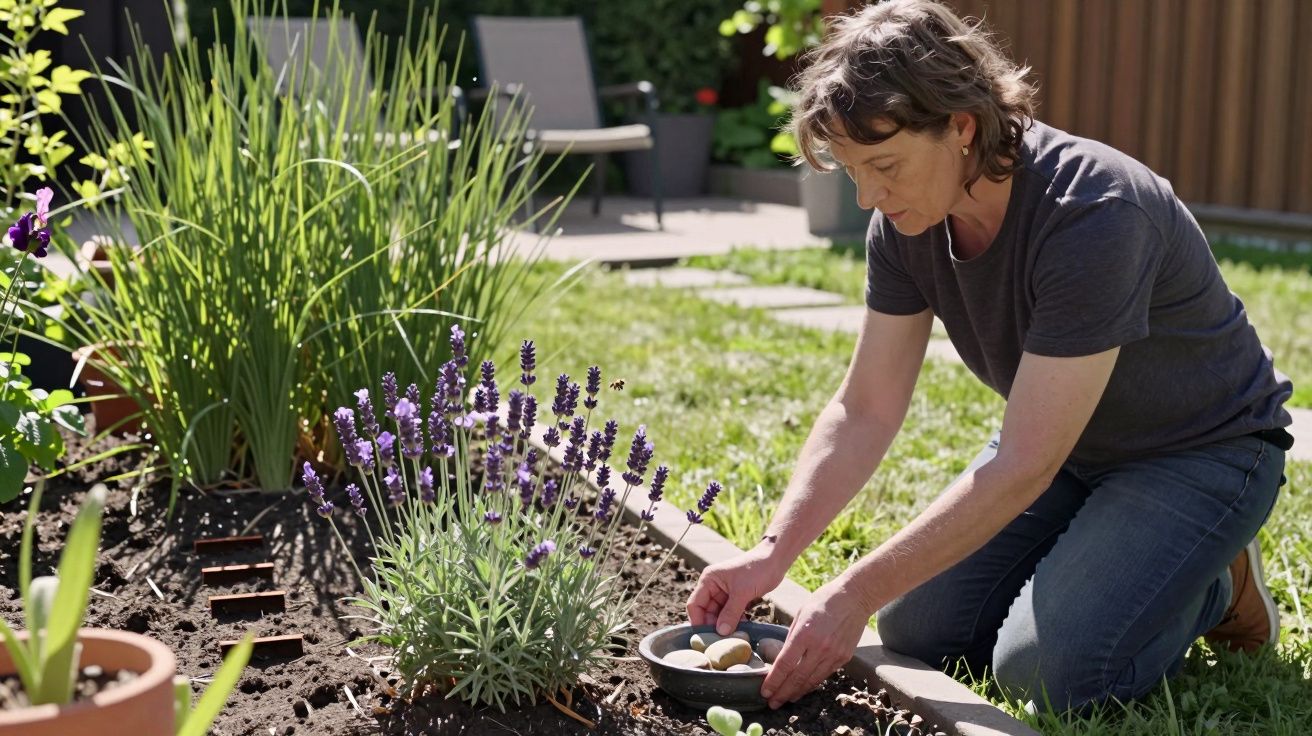
- Add a shallow water dish with stones for landing, topped up in dry spells
If that sounds too scruffy, place it behind a taller plant or a low screen. The insects don’t mind where it is; we tend to.
Step 3: Accept a bit of damage as a sign of life
If every leaf is flawless, it usually means nothing is eating there - and that often means nothing is feeding there. Caterpillars on nettles, minor aphids on roses, holes in leaves: that’s the start of a food web, not a failure.
“The goal isn’t a garden without insects. The goal is a garden where insects can afford to stay.” - a line I wish I’d heard years earlier
The big mistake: planting for flowers, not for seasons
A greener garden isn’t greener because it has more plants. It’s greener because it has fewer gaps. The easiest way to create those gaps is to favour plants that look brilliant for a fortnight and then vanish, leaving nothing but mulch.
Instead, build with structure: shrubs, grasses, and perennials that offer shelter as well as bloom. Let some things seed, let some things stand, and let the garden have a winter silhouette that isn’t just bare sticks.
You don’t need to abandon aesthetics. You just need to swap “always clipped” for “intentionally shaped”. A mown path through taller growth can look more deliberate than a fully shaved lawn, and it gives you the best of both worlds: access for you, cover for them.
A low-drama checklist for landscaping driven by biodiversity
If you want it to stick, keep it small and repeatable. The point is not to become a full-time habitat manager. It’s to stop undoing your own progress every weekend.
- Plant in clumps, not singles, so insects can forage efficiently
- Avoid double flowers as your only option; mix in single, open blooms
- Skip insecticides and broad “bug killer” sprays - they flatten the system
- Leave some leaf litter and stems until spring warmth returns
- Mow less often, or mow in sections so something is always flowering
Quick guide
| Aim | Do this | What you’ll notice |
|---|---|---|
| Feed more species | Flowers from early spring to late autumn | More visits, for longer |
| Increase nesting | Bare soil + stems + logs | Bees and beetles staying local |
| Reduce collapse | No pesticides + refuge areas | Fewer boom–bust pest cycles |
The pay-off: gardens that need less rescuing
When you design for insects first, you stop fighting the garden’s nature and start using it. Pollination improves, predators show up, plants often cope better with stress, and the whole place becomes less brittle in heat and drought.
It’s also oddly calming. A biodiverse garden doesn’t perform on command, but it does respond. You change one thing - leave the stems, plant the late flowers, stop spraying - and within weeks the garden answers back, wing by wing.
FAQ:
- Do I need to turn my whole garden into a wildflower meadow? No. Even one border or a strip of longer grass plus varied flowering plants can function as meaningful pollinator habitats.
- Will designing for insects make my garden look messy? It can, but it doesn’t have to. Use mown paths, repeated planting, and “hidden” habitat areas (log piles behind shrubs) to keep it intentional.
- Are native plants always best for pollinators? Often, yes, but a mix works well. Prioritise plants that are accessible (single blooms) and flower across the year, whether native or well-behaved non-native.
- What’s the single most effective change I can make? Stop using insecticides and add late-season flowers (like sedum and ivy bloom). The combination supports survival and autumn build-up.
- When should I cut back plants if I’m leaving stems for insects? Wait until spring is properly underway and nights have warmed. Many insects overwinter in stems and leaf litter, and early cutting removes them.



Comments (0)
No comments yet. Be the first to comment!
Leave a Comment