The year your hosepipe ban lands on the same week as a heatwave, you realise how quickly gardening can turn into a control problem. Climate-resilient gardens lean on environmental practices not because it’s trendy, but because it’s the only approach that still works when the weather stops keeping its promises. If you’re tired of “perfect” borders that collapse the moment conditions change, resilience is the upgrade that saves time, money, and heartache.
I learned this the hard way in a back garden that used to behave. Spring arrived early, then vanished. A July downpour flattened seedlings, then the ground baked solid. I kept trying to manage it like a spreadsheet: water here, feed there, tidy everything into compliance. It didn’t feel like gardening. It felt like firefighting with a watering can.
Why “control gardening” breaks down under real weather
Control looks like neatness: bare soil you can inspect, thirsty pots you can “fix” on schedule, lawns clipped into obedience. It’s satisfying-until the climate turns your routine into guesswork. The problem isn’t you. The problem is that the old assumptions (mild summers, predictable rain, gentle winters) are no longer reliable enough to build a whole garden plan around.
A control-first garden depends on constant inputs:
- frequent watering because soil is exposed and dries fast
- feeding because plants are pushed to perform rather than cope
- pesticides because stressed plants attract trouble
- replanting because extreme swings wipe out “fussy” choices
It’s not that these tools are always wrong. It’s that the garden becomes a machine you have to keep running. When you miss a week-because you’re away, busy, or simply human-it shows immediately.
Resilience, by contrast, assumes interruptions. It designs for “what if?” rather than “as long as…”.
The quiet mindset shift: design for recovery, not perfection
Resilience is less about preventing every problem, more about bouncing back quickly when problems arrive. You stop trying to win every battle and start building systems that can take a punch.
Think of it like this: a resilient garden is allowed to look a bit messy in service of staying alive. It values:
- shade and shelter over sun exposure everywhere
- soil cover over bare, tidy ground
- diversity over a single star plant repeated twenty times
- deep roots over fast growth
This is where environmental practices stop sounding abstract and start feeling practical. Mulching isn’t virtue. It’s temperature control for your soil. Planting a mix isn’t a lecture. It’s risk management.
What climate-proofing actually means on the ground
Most people hear “climate-proof” and imagine expensive landscaping: tanks, pumps, fancy irrigation, a designer plan. Sometimes those help. Often, the big gains come from smaller, boring changes done consistently.
1) Build soil that holds water and drains well
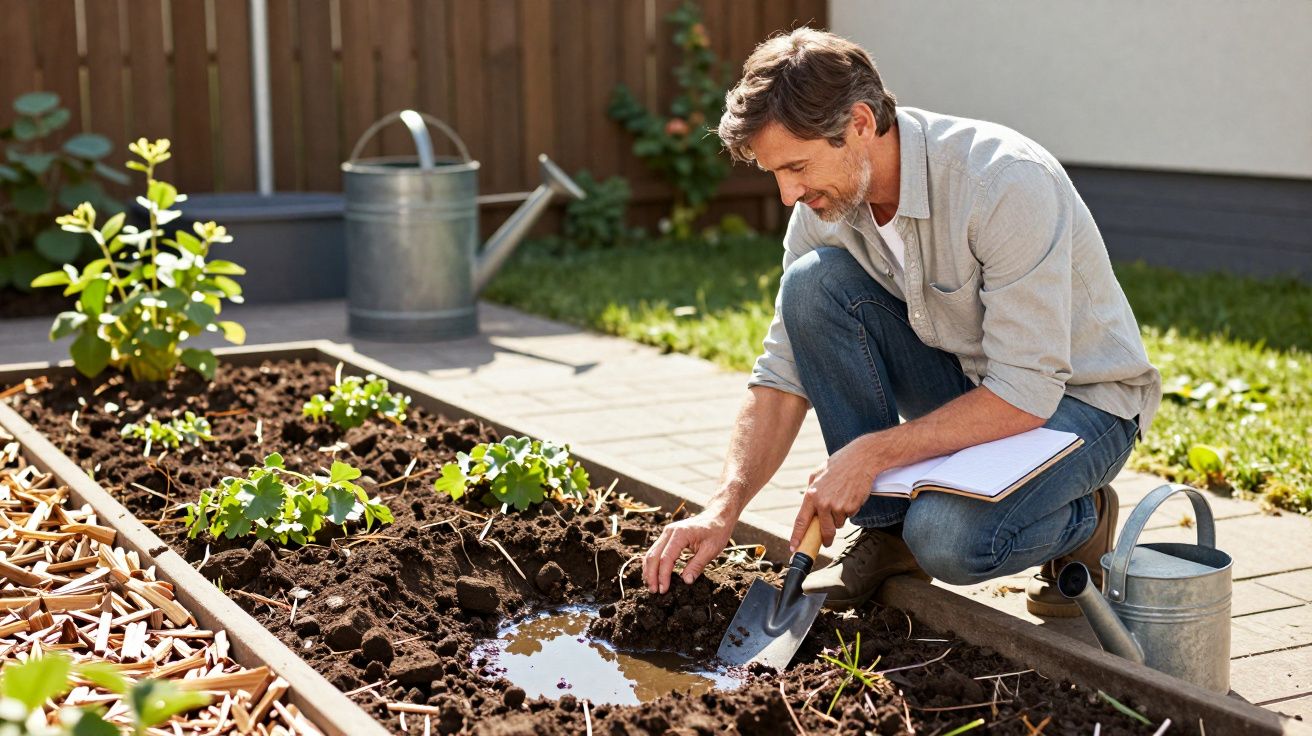
Weather now swings: drought, then deluge. Soil has to cope with both. If it’s compacted or bare, it fails in both directions-water runs off when you need it, then sits and rots roots when you don’t.
The basic resilience stack looks like:
- keep soil covered (mulch, groundcover, leaf mould)
- add organic matter little and often (compost, well-rotted manure)
- disturb less (fewer deep digs that break structure)
- create “soak zones” (shallow basins, rain gardens, permeable paths)
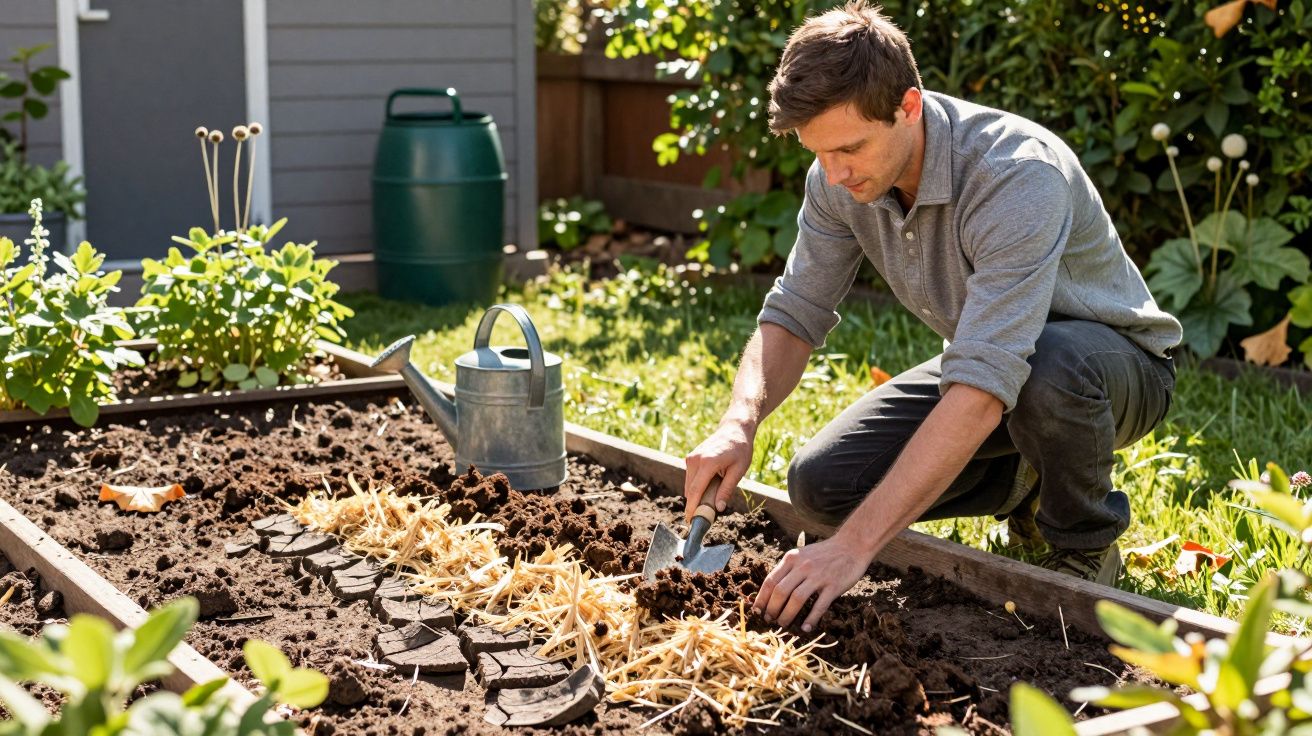
If you do one thing this season, mulch. A 5–8 cm layer cuts evaporation, buffers heat, and feeds the life that makes soil spongey rather than crusty.
2) Pick plants for tolerance, not just looks
A climate-resilient garden isn’t a gravel desert unless you want it to be. It’s simply a garden where plants can handle a missed watering, a late frost, or a soggy fortnight without collapsing into drama.
Aim for a mix of:
- deep-rooters (often perennials and shrubs) to ride out dry spells
- plants with flexible growth habits (that can be cut back and return)
- natives and near-natives that suit your local rainfall patterns
- “insurance plants” you know will perform in your conditions
And be honest about the microclimate. A south-facing wall is not the same garden as the shady corner behind the shed. Treat them like different rooms.
3) Replace fragile sameness with useful diversity
Monocultures look stunning in photos. They also fail all at once when a pest, disease, or weather event hits the one thing they’re made of. A resilient border spreads risk.
Try designing in threes:
- a backbone (shrubs/structure)
- a mid-layer (perennials/grasses)
- a ground layer (living mulch/groundcovers)
Then repeat small groups rather than massing one plant everywhere. Your garden still looks cohesive, but it doesn’t bet the whole season on a single species’ mood.
The “let it be” parts that are actually doing the work
Some of the most effective climate-proof moves look like laziness to a tidy-minded gardener. They’re not. They’re systems.
- Leaves left under hedges become leaf mould, keep moisture in, and shelter overwintering insects.
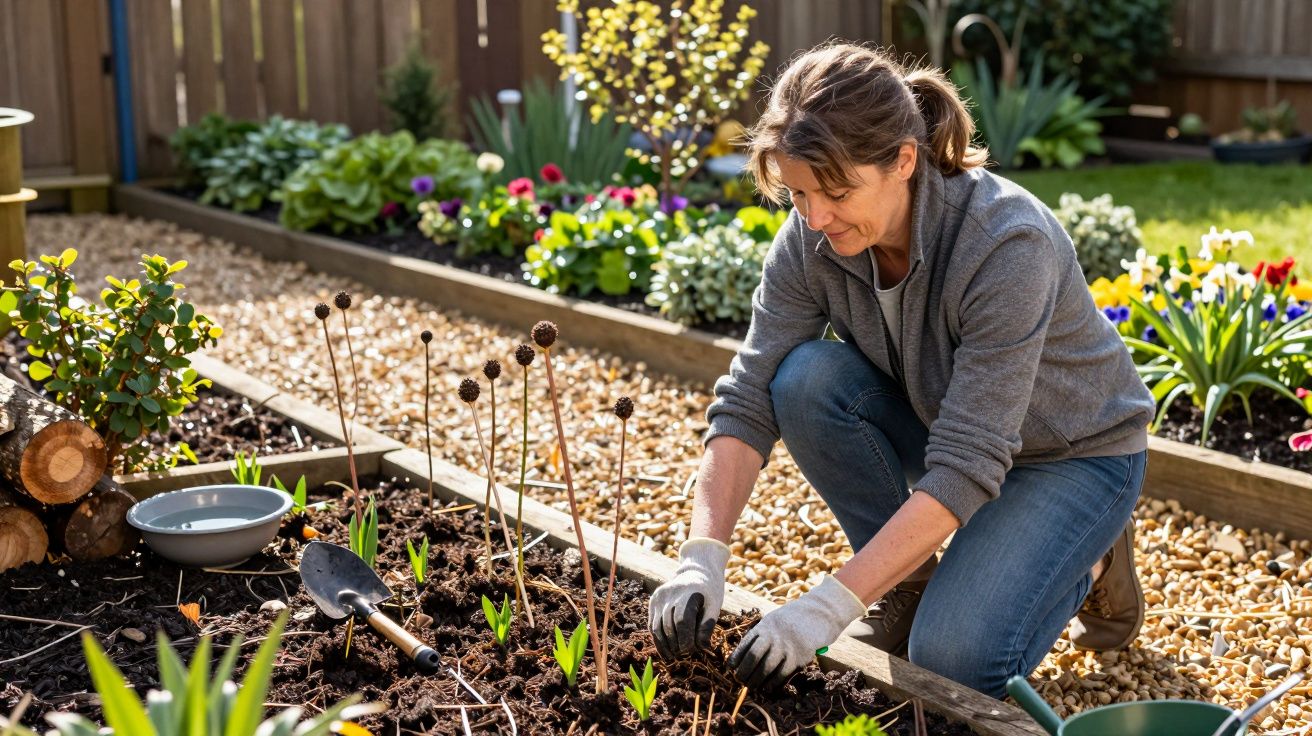
- Seed heads left standing feed birds and protect crowns from frost, then get cut back in spring.
- A slightly longer lawn shades its own roots and stays greener in dry weather.
- A few self-seeders fill gaps after losses faster than you can shop for replacements.
You’re not giving up. You’re letting the garden do what it’s built to do: adapt.
“The goal isn’t to stop change,” a head gardener once told me, watching a border recover after a scorching August. “The goal is to make sure change doesn’t wipe you out.”
A simple resilience checklist you can actually stick to
Let’s be honest: no one redesigns their whole garden in a weekend. Resilience works best when it’s incremental-one bed, one habit, one season at a time.
Here’s a low-drama starting point:
- Mulch exposed soil before summer (and top up in autumn).
- Add at least one shrub or small tree for shade and structure.
- Swap a thirsty annual patch for drought-tolerant perennials.
- Install a water butt and use it first, mains water second.
- Leave one “messy” wildlife corner and see what thrives there.
You’ll notice the difference not when everything goes right, but when something goes wrong and your garden keeps moving.
| Control habit | Resilient alternative | Why it holds up |
|---|---|---|
| Bare soil for “tidiness” | Mulch, groundcover, leaf litter | Buffers heat, reduces evaporation, improves structure |
| One favourite plant everywhere | Mixed planting with backups | Spreads risk from pests and extremes |
| Frequent shallow watering | Less frequent deep watering | Encourages deeper roots and drought tolerance |
The strange relief of not micromanaging
There’s a particular kind of calm that comes when the garden no longer needs you to be perfect. You stop chasing the fantasy of total control-every slug defeated, every leaf in its place-and you start noticing the wins that matter: plants that recover, soil that stays cool, borders that don’t collapse after a week of weird weather.
Climate-proofing isn’t about surrender. It’s about choosing what you can influence-soil, plant choice, water storage, habitat-and letting go of the rest without guilt. The resilience you build into the garden quietly builds into you as well.
FAQ:
- Will a climate-resilient garden look untidy? It can look looser, especially if you keep soil covered and leave some seed heads or leaf litter. You can still make it look intentional with clear edges, repeated plant groups, and a defined path.
- Do I need drought-tolerant plants only? No. UK weather now swings both ways, so tolerance to wet spells matters too. Aim for a mix and match plants to microclimates (dry by walls, damp in dips, etc.).
- Is mulching worth it if slugs are a problem? Mulch can provide cover, but healthy, covered soil also supports predators and stronger plants. Use the right mulch (not piles against stems), and combine with spacing, night checks, and wildlife-friendly balance.
- What’s the quickest change with the biggest impact? Covering bare soil (mulch or groundcovers) and improving soil organic matter. It immediately helps with both drought and heavy rain.
- Can I do this in pots and small gardens? Yes. Use larger pots, add water-retentive organic matter, group pots for shade, choose tougher plants, and prioritise rainwater storage where possible.


Comments (0)
No comments yet. Be the first to comment!
Leave a Comment