By the time the hose comes out in spring, many of us are already thinking about sustainable landscaping - not as a glossy “before and after”, but as a practical way to keep gardens healthy, affordable to run, and kinder to wildlife. Climate-resilient gardens sit inside that shift: they’re designed to cope with hotter summers, heavier downpours, and the awkward in-between weeks where nothing behaves like it used to.
In 2026, the most influential eco features aren’t the fussy, high-maintenance ones. They’re the quiet upgrades that change how water moves, where shade lands at 4pm, and how much you have to fight your own plot to make it feel good.
The eco garden features that are actually shaping 2026
A lot of trends come with a shopping list. These ones tend to arrive as a few smart decisions, repeated across streets: less lawn, more structure, and systems that keep working when you forget about them for a fortnight.
Think “set the garden up to succeed”, rather than “keep performing for the garden”.
1) Water that stays on site (without turning the place into a swamp)
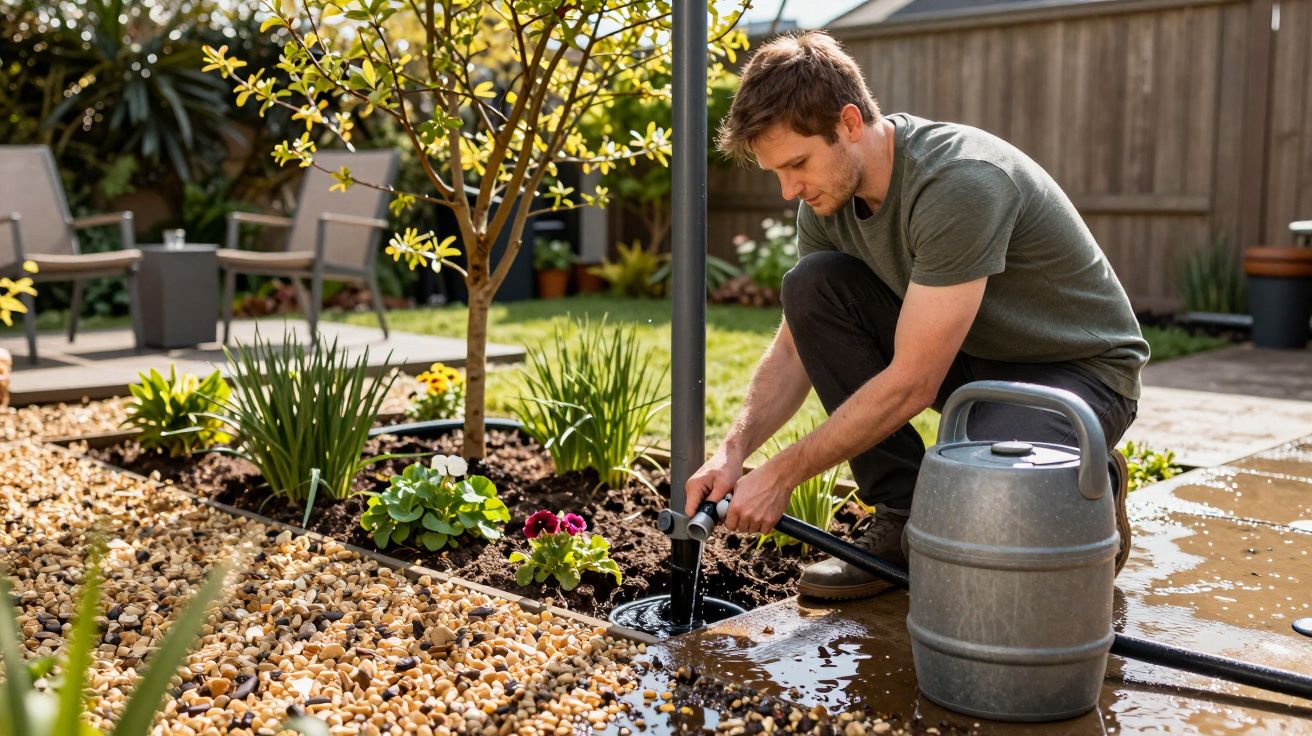
The old model was simple: rain falls, drains take it away, plants wilt anyway, you water with mains. The new model is to slow it down, soak it in, and store what you can for later - especially in small UK gardens where every downpipe matters.
The features showing up most often are understated:
- Rain gardens (shallow planted basins) placed under downpipes to catch bursts of runoff.
- Permeable paths using gravel grids, permeable resin, or open-jointed paving so water can sink rather than sheet off.
- Slimline water butts linked in series, because one barrel is rarely enough once you start paying attention.
The key is pairing storage with infiltration. A water butt helps in a dry spell, but a rain garden helps in a cloudburst, and 2026 is asking for both.
2) “Shade on purpose”: trees, pergolas, and living canopies
In a warming summer, shade stops being decorative and starts being functional. The strongest designs treat shade like a resource you place carefully, the same way you place a tap or a socket.
You’ll see more:
- Small multi-stem trees that filter light without swallowing the whole garden (think amelanchier, acer, crab apple).
- Pergolas designed for vines (grape, hardy kiwi, honeysuckle) to cool seating areas naturally.
- Green screens that break hot winds and protect tender planting without a line of dead conifers.
If you only make one change, make it this: give yourself one genuinely cool sitting spot on the hottest day, not a chair you abandon by noon.
3) Soil-first beds (because compost is cheaper than regret)
Eco planting fails when the soil is treated like a stage set. It succeeds when the soil is treated like a living system you don’t keep stripping and disturbing.
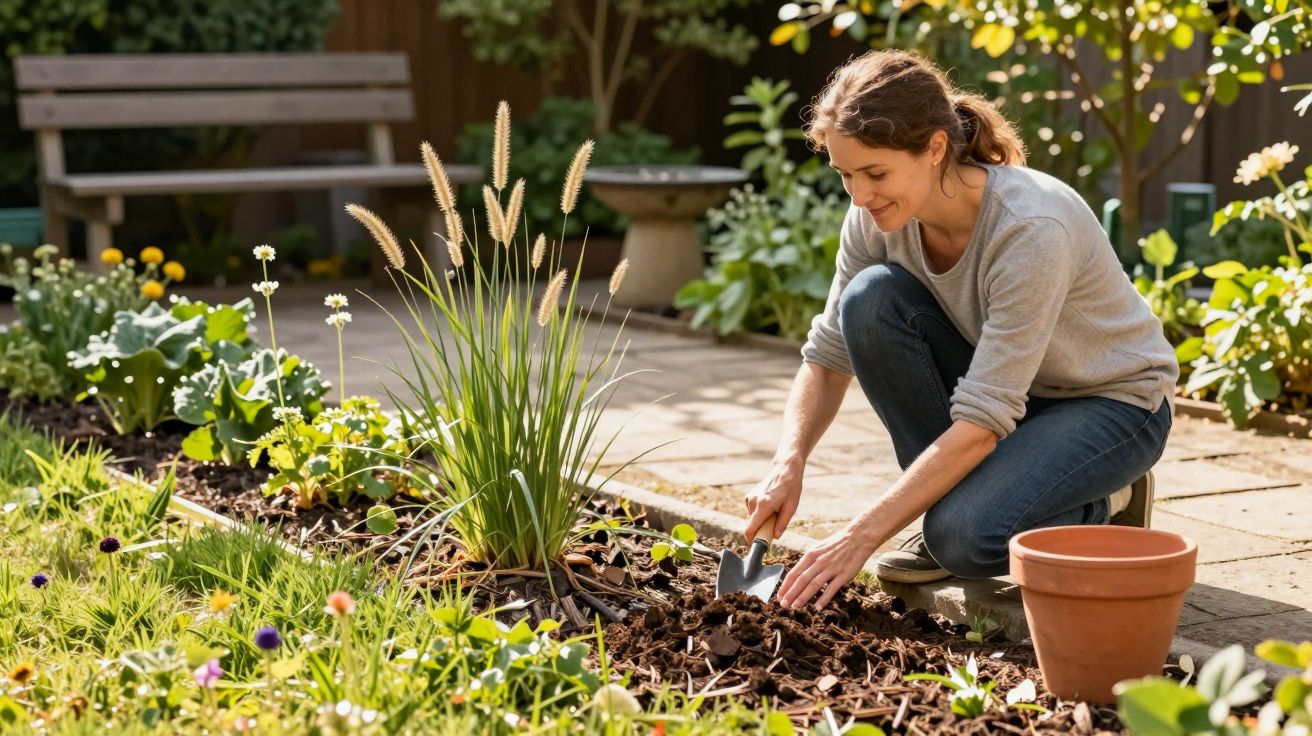
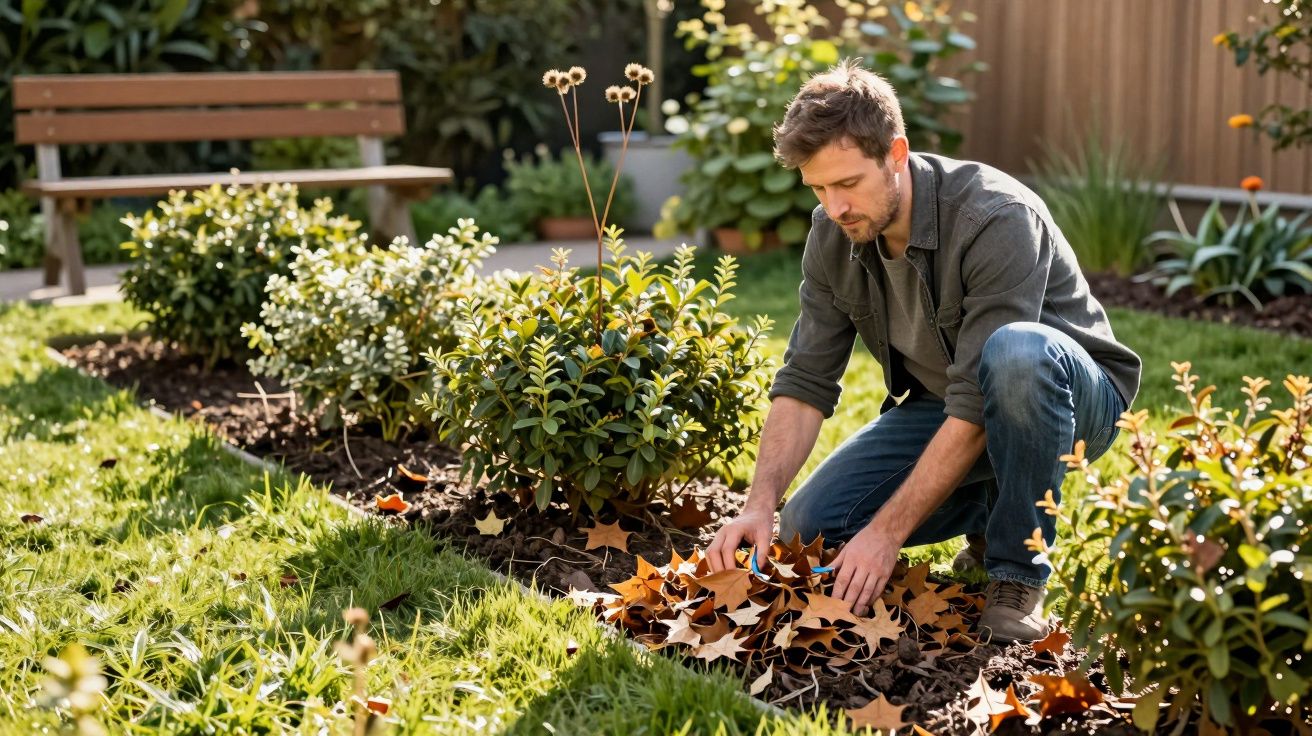
In 2026 the “best practice” look is surprisingly ordinary: thicker mulches, fewer bare patches, and planting plans that don’t rely on constant feeding. The features driving that are:
- Compost bays that are easy to access (not hidden behind the shed like a punishment).
- Leaf mould piles for free, moisture-holding mulch.
- No-dig beds topped up annually, keeping carbon in the ground and weeds manageable.
A garden with good soil absorbs rain better, stays cooler in heat, and needs less intervention. It’s climate resilience without the drama.
4) The big lawn retreat (and the rise of “useful green”)
Lawns aren’t disappearing. They’re shrinking, becoming clearer in purpose, and getting surrounded by surfaces that do more than sit there.
The most common 2026 swaps look like this:
- A smaller, tougher lawn (or clover mix) where kids actually play.
- Meadow strips or low-flower “rough edges” that support pollinators and reduce mowing.
- Groundcover planting in awkward corners: thyme, ajuga, geranium, sedum - the plants that quietly stop soil baking.
The emotional win is real. Less mowing frees up weekends, and the garden starts feeling like a place you use, not a thing you service.
5) Wildlife features that don’t feel like homework
People still want birds, bees and butterflies - they just don’t want a garden that looks like a well-meaning science project. So the wildlife features gaining ground are the ones that tuck into normal design.
The most popular are small but high-impact:
- A mini-pond in a half-barrel or preformed liner (even 60–90 cm wide helps).
- Log and stone piles used as edging or seat walls, doubling as habitat.
- Night-sky lighting rules: fewer fittings, warmer colour temperature, and motion sensors where you actually need light.
If you’ve tried “pollinator planting” and it didn’t stick, the fix is often structure. Give wildlife water, cover, and continuity - not just a few flowers in June.
6) Low-carbon materials, chosen like they’re staying put
Eco gardens used to mean reclaimed everything, whether it suited the space or not. Now it’s more pragmatic: buy less, buy better, and choose materials that weather well without constant replacement.
For 2026, that often means:
- Locally sourced aggregates and stone (less transport, easier matching for repairs).
- Heat-treated or FSC timber for raised beds and screens, designed to be repairable.
- Reclaimed brick and pavers used in small areas where their patina looks intentional, not patchy.
A good rule: if you can’t imagine still liking it in five years, don’t pour it in concrete.
A quick “build order” that makes climate-resilient gardens easier
Most gardens fail by doing the pretty bits first. If you want the eco features to actually work, do them in an order that matches how the garden functions.
| Step | What you do | Why it matters |
|---|---|---|
| 1 | Sort drainage and water capture | Stops flooding, reduces summer watering |
| 2 | Add shade and wind protection | Makes the space usable in heat and storms |
| 3 | Improve soil and mulch heavily | Boosts plant survival and cuts maintenance |
| 4 | Plant structure, then colour | Keeps it stable through weird weather |
Once the bones are right, planting becomes less of a gamble and more of a steady, enjoyable tweak.
The quiet takeaway for 2026
The defining eco garden features this year aren’t about being perfect. They’re about removing pressure: from your water bill, from your weekends, from the plants you keep apologising to.
Sustainable landscaping is starting to look less like a trend and more like basic competence - the kind that makes a garden feel calm, even when the weather isn’t.
FAQ:
- Do I need a full redesign to make my garden more climate-resilient? No. Start with one fix that changes outcomes fast: redirect a downpipe into a rain garden, add permeable surfacing to a problem path, or mulch beds to protect soil moisture.
- What’s the single best eco feature for a small UK garden? Water management. A linked water butt plus a small rain garden or soakaway-style planting bed usually gives the biggest resilience boost per square metre.
- Are mini-ponds safe if I have children? They can be, but design matters: use shallow designs, raised containers, metal grids just below the surface, and place ponds where supervision is natural (near the patio, not hidden).



Comments (0)
No comments yet. Be the first to comment!
Leave a Comment