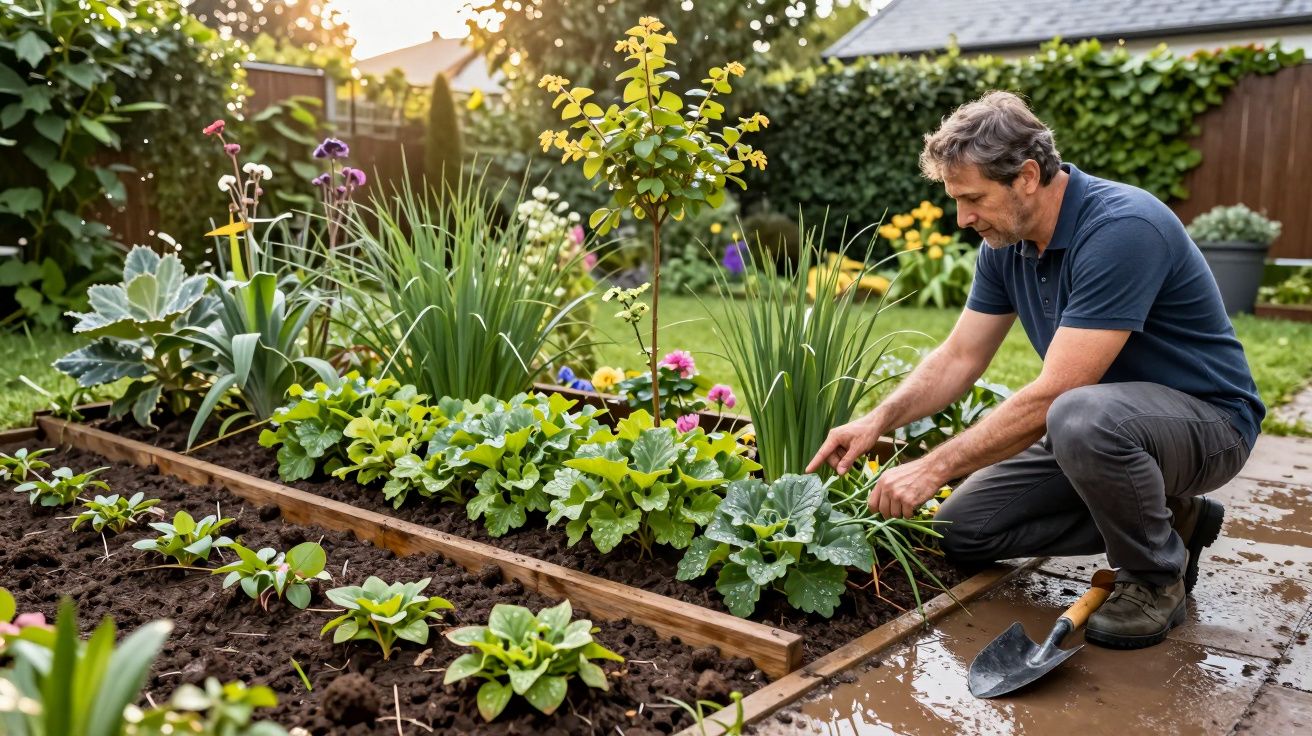
The new normal isn’t a gentle drift in seasons; it’s weather extremes that arrive like rude interruptions. In that kind of garden, mixed planting layers aren’t a design trend so much as a practical way to keep beds functioning when heat, downpours, wind and late frosts keep changing the rules. You’re building a planting “profile” that can take a hit and still look like a garden, not a patch that’s either perfect or dead.
Stand by a border after a night of hard rain and you can see the old approach failing in real time. Flat, uniform planting sheds water, flops, and then sulks in the next dry spell. A layered mix-different heights, root depths, and leaf types-slows the water, shades the soil, and spreads risk across more than one kind of plant.
The layer that does the work, even when the view isn’t matchy-matchy
There’s a quiet relief to a border that doesn’t rely on visual uniformity to look “right”. Instead of rows that peak together and collapse together, you aim for overlap: plants that cover for one another when one is stressed, eaten, or simply having a bad year.
Think of it like this: a single-species block is a wager. Mixed layers are a portfolio. When weather extremes pick a fight with one plant type-shallow roots in drought, soft stems in wind, early buds in a late frost-something else is usually still standing.
The bonus is that the garden looks fuller for longer. Not tidier in the geometric sense, but steadier in the lived-in sense: gaps close, colour drifts, seed heads stay up, and you stop chasing the “everything must match” finish that climate doesn’t respect.
What “mixed planting layers” actually means (in the soil, not on Pinterest)
A useful mixed layer isn’t just “more plants”. It’s plants doing different jobs at different levels, above and below ground, so stress doesn’t hit every root and leaf the same way.
Aim for three rough tiers:
- Ground layer (0–20 cm): living mulch and low spreaders that shade soil and blunt heavy rain.
- Mid layer (30–80 cm): the bulk of your flowering perennials and grasses; flexible stems, staggered bloom times.
- Upper layer (1 m+): shrubs, small trees, or tall perennials that filter wind, provide dappled shade, and add structure when everything else dies back.
Underneath that, you want different root behaviours: some fibrous and surface-feeding, some deeper and drought-hunting. This is how you get a border that drinks storms without waterlogging and survives dry weeks without needing constant rescue.
How layers absorb climate stress: three small mechanisms with big effects
The clever part is that the stress-buffering is mostly physical. You’re not “outsmarting” the weather-just giving the bed more ways to respond.
- Rain hits leaves before it hits soil. A layered canopy slows the impact, reducing splash, erosion, and the hard crust that forms after downpours.
- Soil stays cooler and covered. Groundcovers and dense mid-layer foliage reduce evaporation and protect soil life that helps with water infiltration.
- Wind gets filtered, not fought. Shrubs and tall grasses take the edge off gusts so flowering stems don’t snap and beds don’t dry out overnight.
We’ve all had that moment when you tidy a border, it looks brilliant for a week, and then a storm arrives and flattens the lot. Layers don’t stop damage entirely, but they stop one bad day becoming a season-long reset.
Build the layer in one border, in one weekend (without replanting everything)
You don’t need to rip out a whole scheme. Start by treating your existing bed as a skeleton, then add “fill” where the stress shows up: bare soil, wind tunnels, or areas that either bake or puddle.
Here’s a simple, low-drama order of operations:
- Mark the worst spots after weather. Where does water sit? Where does mulch blow away? Where does soil crack first?
- Add a ground layer first. Choose 2–4 tough spreaders and repeat them in drifts so it still reads as intentional.
- Thread in mid-layer plants in small groups. Aim for staggered flowering and different leaf shapes (not ten of the same daisy).
- Anchor with a few upper-layer plants. One shrub can change the microclimate of a surprising area behind it.
A good rule is “repeat, but not too neatly”. Repetition gives calm; variation gives resilience. If everything is identical, the weather only has to find one weakness.
Plant choices that cope with weather extremes (without demanding constant input)
Exact species depend on soil and region, but the traits are fairly universal. If you’re choosing in a garden centre, you can often tell the tough ones by touch: thicker leaves, flexible stems, and a habit that isn’t all soft growth.
Look for:
- Flexible plants for wind: airy grasses, wiry stems, anything that moves rather than snaps.
- Deep-rooters for drought: many Mediterranean-type plants, some prairie perennials, and established shrubs.
- Tough groundcovers for deluge + dry-down: plants that knit soil and recover quickly after being battered.
- Staggered timing: early, mid, and late performers so one weird season doesn’t wipe the show.
If you want one practical shortcut: include at least one grass-like plant and at least one evergreen or semi-evergreen groundcover. They keep structure when flowering plants have had enough.
The “no uniformity” trick: make it look deliberate anyway
The fear is always that mixed layers will look messy. The fix isn’t stricter planting; it’s clearer signals.
Use these cues:
- Repeat shapes: echo a spiky leaf in three places, or repeat a rounded mound form down the bed.
- Limit your palette: pick two main flower colours and let foliage do the variety.
- Keep edges crisp: a clean border line or a mown strip makes the inside feel intentional.
- Leave some standing material: seed heads and winter stems read as structure, not neglect, when the outline is tidy.
A layered bed can look “designed” without being uniform. That’s the point: order without fragility.
Tiny habits that keep the layer working (and stop you firefighting)
Once the layers are in, maintenance gets simpler-but only if you stop undoing the system.
- Mulch lightly, not obsessively. Let plants cover soil; use mulch to help them establish, not to replace them.
- Water like you mean it. Deep soaks, less often, aimed at the root zone; don’t train everything to live on daily spritzes.
- Cut back in stages. Leave some stems over winter for wind filtering and habitat; clear selectively in spring as growth starts.
- Edit after extremes. After a heatwave or flood, note what failed and replace with something that does the opposite job.
When you garden this way, you’re not chasing perfection. You’re building a bed that stays presentable even when the forecast behaves like a tantrum.
| Point clé | Détail | Intérêt pour le lecteur |
|---|---|---|
| Layers spread risk | Different heights and root depths respond differently | Fewer total failures in rough seasons |
| Canopy + cover protect soil | Leaves slow rain; groundcover shades and stabilises | Less erosion, less evaporation, better infiltration |
| “Deliberate” beats “uniform” | Repeat forms and keep edges crisp | Resilience without looking chaotic |
FAQ:
- Do mixed planting layers mean my border will look wild and messy? Not if you repeat a few plants, limit colour, and keep the bed edge sharp. The mix can be loose, but the outline should be clear.
- What’s the first layer to add if my bed struggles in heat? Start with a ground layer that shades soil and reduces evaporation, then add a few deeper-rooting mid-layer plants to stabilise moisture.
- How do layers help with heavy rain? They slow raindrop impact, reduce splash and compaction, and increase infiltration by keeping soil covered and biologically active.
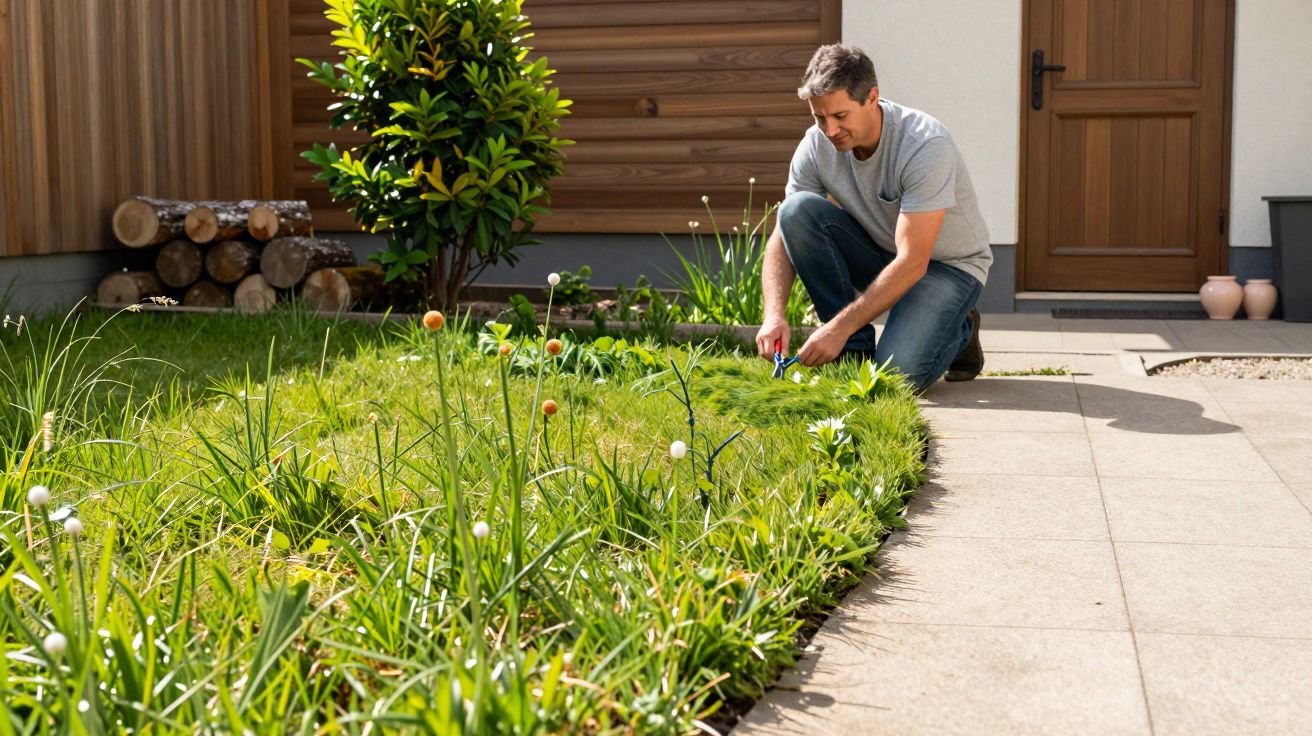
- Can I do this in a small front garden? Yes. Even a 2–3 m strip benefits from a low ground layer, a mid layer of perennials, and one or two shrubs to filter wind and sun.
- What if something fails-does that ruin the look? The system is built for that. If one plant drops out, neighbouring layers fill the gap, and you can replant without the whole scheme collapsing.





Comments (0)
No comments yet. Be the first to comment!
Leave a Comment