Scrolling through garden videos, you’ll keep bumping into the same claim: sustainable landscaping is basically “do nothing”, and the most eco choice is to let a garden go wild and never touch it again. It’s one of those sustainable design myths that feels kind to nature and kind to your schedule, which is why it spreads so easily. But in real gardens - small, urban, overlooked, shaded, windy - that idea can backfire fast.
You see it play out in spring. Someone rips out the borders, scatters a “wildflower” mix, vows to stop mowing, and waits for a soft meadow to arrive like a filter. By midsummer they’ve got knee‑high thistles, a patch of bare soil where the seed didn’t take, and a neighbour asking about rats.
The myth: “The most sustainable garden is a no‑maintenance garden”
The internet version is seductive: stop watering, stop feeding, stop mowing, stop buying plants, and nature will do the rest. The garden becomes a self-running system, and your footprint shrinks to almost nothing. In the comments, anyone who suggests a bit of management gets labelled fussy or anti-wildlife.
The problem is that “no maintenance” isn’t a natural state in most domestic gardens - it’s just a different kind of intervention. You’re still choosing what dominates, you’re just outsourcing the choice to whatever arrives first, grows fastest, and tolerates compacted soil.
Let’s be honest: nobody really does “nothing” for long when paths vanish and the compost bin becomes inaccessible.
What actually happens when you stop doing everything
A garden is not a nature reserve. It’s a heavily edited patch of ground with boundaries, drains, fences, pets, children, shade from buildings, and soil that’s often been dug, built on, or filled. When you withdraw all care at once, a few predictable things usually take over:
- Aggressive pioneers: brambles, bindweed, nettles, couch grass - brilliant plants, but not gentle ones.
- Bare patches: where seed fails, soil bakes or compacts, and weeds move in even faster.
- Nutrient swings: piles of leaf litter in one corner, stripped soil elsewhere, and plants responding with boom-and-bust growth.
- Hidden costs: a “one day I’ll sort it” clean-up that becomes skip-hire, repeat strimming, or a full reset.
You can still create a wilder, lower-input garden. The myth is that the route there is neglect rather than design.
The quieter truth: sustainable landscaping is management, not perfection
The most resilient gardens have a rhythm. They reduce inputs (water, fertiliser, pesticides, constant replacement planting) by making smarter choices up front, then doing small, boring tasks at the right time. Not endless tinkering - just enough guidance to keep the system stable.
Think of it like closing the loop. Compost returns nutrients, mulch buffers moisture, right plant/right place reduces irrigation, and a few seasonal cutbacks stop one species from swallowing the lot. You’re not “controlling nature”; you’re preventing your garden from becoming a constant emergency.
A good rule: if a habit saves you from a big fix later, it’s often the sustainable option.
How to spot sustainable design myths in garden advice
Online tips often fail in the same way: they’re framed as a single purity rule. Never mow. Never water. Never buy plants. Always plant natives only. Always remove the lawn. Real sustainability is rarely “always” and “never”; it’s context.
Ask three quick questions before you copy a trend:
- What’s the baseline? A new-build clay pan, a sandy coastal plot, and an old allotment behave differently.
- What’s the timescale? “It’ll settle in after three years” might be true - if you can live with year one and two.
- What’s the failure mode? If it goes wrong, do you end up with more waste, more driving to the tip, and more replacement planting?
If the advice doesn’t mention soil, light, and maintenance in the same breath, it’s usually selling a vibe.
A more useful swap: from “no maintenance” to “low inputs”
If you want a garden that genuinely treads lighter, aim for fewer resources and fewer do-overs, not fewer minutes spent outside. These are the changes that tend to stick in UK gardens:
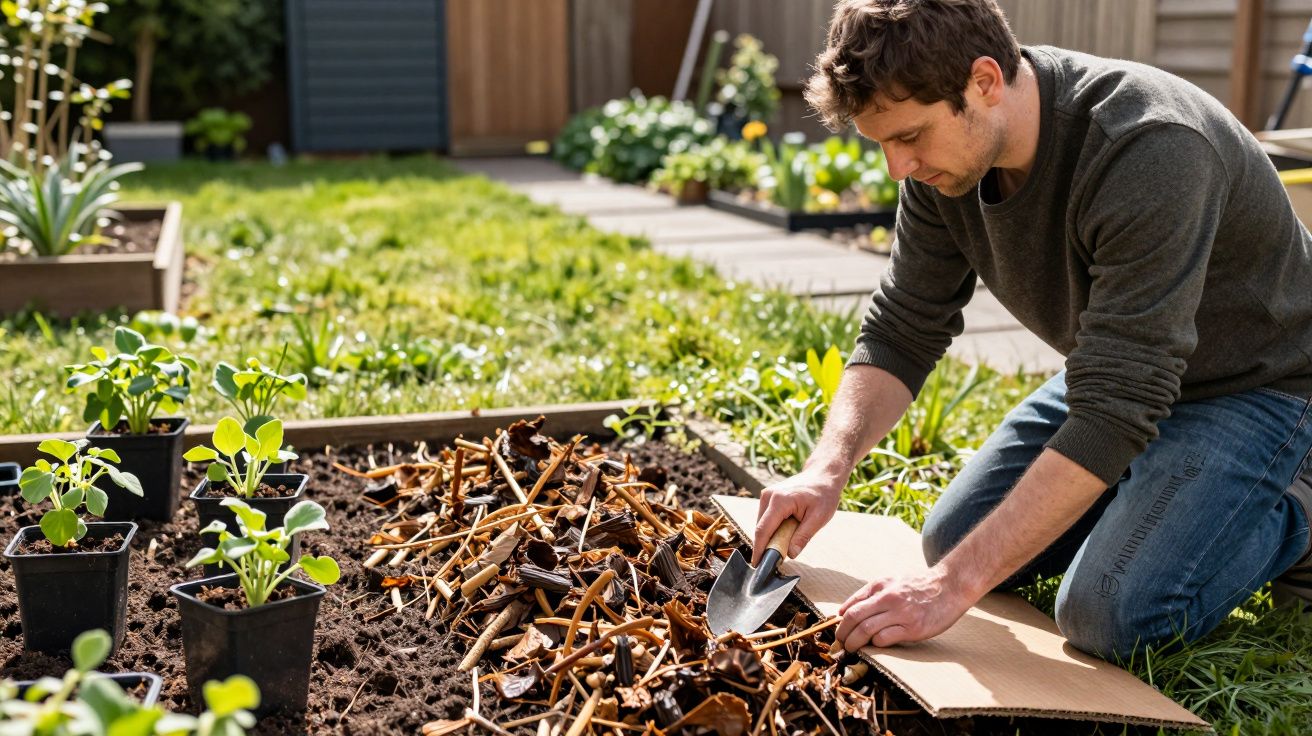
- Keep the soil covered: mulch with composted bark, leaf mould, or compost to cut watering and suppress weeds.
- Plant for your conditions: shade plants in shade, drought-tolerant plants in hot pockets, not the other way round.
- Mow less, but mow on purpose: leave longer grass, create paths, and cut/collect once or twice to reduce fertility if you want flowers.
- Use “dynamic” planting: tough, long-lived perennials and shrubs as structure, with smaller seasonal gaps for annuals if you enjoy them.
- Water strategically: deep, occasional watering while plants establish beats daily sprinkles that train shallow roots.
You still get the wildlife. You just get it without the annual cycle of enthusiasm, overwhelm, and reset.
“A sustainable garden isn’t one you never touch,” a horticulturist friend once told me. “It’s one you don’t have to rescue.”
- Best mindset: low inputs, not no effort.
- Best place to start: soil cover and plant choice.
- Best reality check: what you’ll do in February, not what you’ll film in June.
What “wild” can look like when it’s actually working
A thriving low-input garden often looks a bit messy - seed heads left over winter, a log pile in shade, grass longer in places. But it also has signs of intention: edges you can walk, plants that don’t flop across everything, and space for different species to coexist.
The difference is subtle. Neglect is when one thing wins and the rest vanish. Sustainable landscaping is when you create conditions where lots of things can live - and you can still open the shed without battling brambles.
| Myth you’ll hear | Better principle | Why it helps |
|---|---|---|
| “Never mow” | Mow less, create paths, remove clippings | Keeps flowers coming without turning into scrub |
| “Never water” | Water to establish, then taper | Builds deeper roots and cuts long-term use |
| “Don’t buy plants” | Buy fewer, buy right, keep them alive | Less replacement, less waste, more stability |
FAQ:
- Is leaving the lawn unmown always better for wildlife? Longer grass helps insects, but if you never cut or remove clippings, the soil gets richer and coarse grasses dominate. A “meadow-style” approach is usually cut-and-collect once or twice a year, with paths mown through it.
- Do I need native-only planting for a sustainable garden? No. Natives are valuable, but resilience often comes from matching plants to your soil and exposure. A mixed palette can still support pollinators and reduce failures and replacements.
- What’s the most sustainable first job if I’m overwhelmed? Cover bare soil. A mulch layer (or even cardboard plus mulch in problem areas) reduces weeds and watering straight away, buying you time to plan.
- Can a tidy garden be sustainable? Yes, if it’s tidy because the planting is well chosen and the soil is protected - not because it’s kept “clean” with constant blowing, spraying, and replacing.
Comments (0)
No comments yet. Be the first to comment!
Leave a Comment