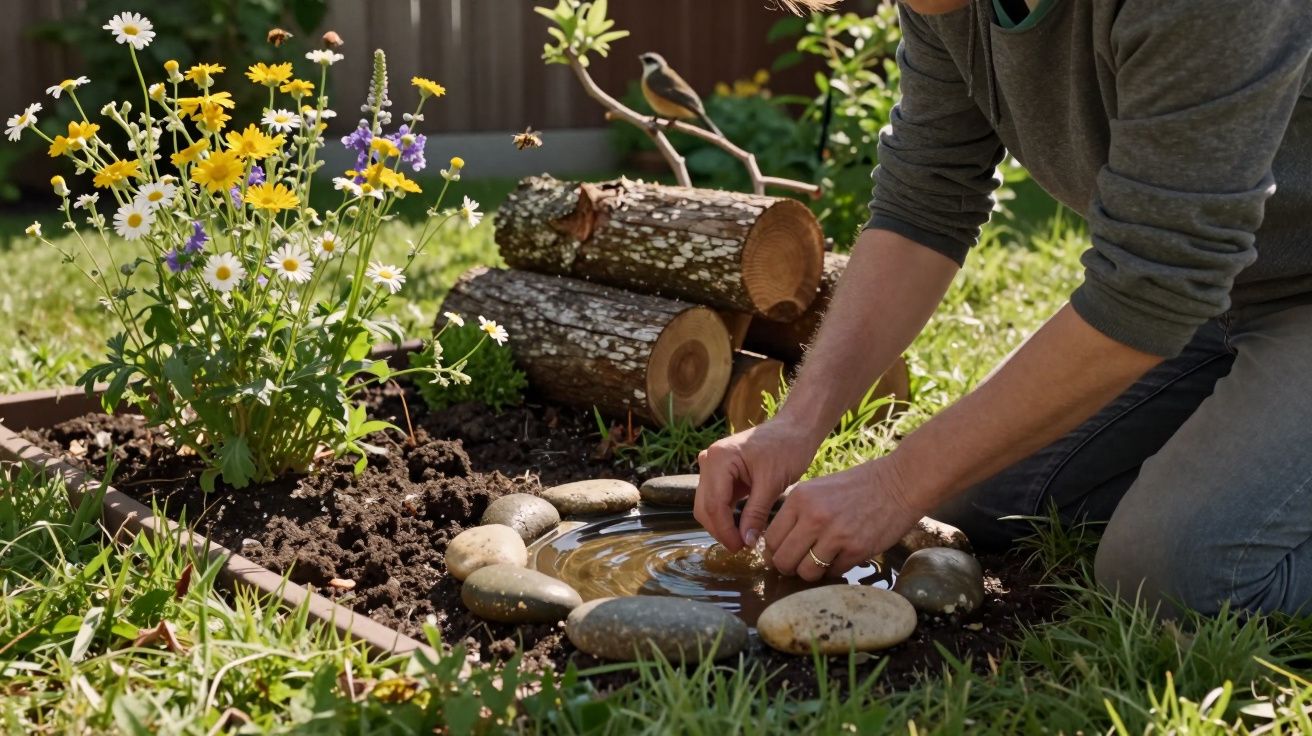
Habitat creation can look almost insultingly small: a shallow pond scraped into a corner of a garden, a strip of native flowers along a drive, a pile of logs left to rot with dignity. In sustainable landscaping, these micro-interventions are often the highest-return moves because they turn “nice-looking space” into functioning space - somewhere things can feed, breed, hide and move through. For most of us, the relevance is practical: you don’t need a field or a grant to give wildlife a foothold, and the changes you make can be visible within a season.
I first noticed this on an ordinary street where every front garden was clipped, gravelled or paved. One house broke the pattern with a messy crescent of long grass and a small water bowl sunk level with the soil. In the evening, you could hear it: a thicker hum near the flowers, the flicker of moths at the hedge, the soft darting of birds that had somewhere to land. Nothing about the plot was bigger. The ecosystem was.
Why small habitat patches punch above their weight
Wildlife isn’t only lost to dramatic deforestation; it’s lost to a million missing “in-betweens”. A bee needs forage every few hundred metres. A frog needs a damp corridor, not a heroic leap across baked patio. A hedgehog needs permeability - gaps, cover, fewer dead ends. Small habitat creation works because it restores the basic infrastructure of life: food, water, shelter and safe passage.
The trick is that these needs are local and immediate. A single nectar-rich border can feed dozens of pollinator species. A one-metre log pile can host fungi, beetle larvae and the birds that come to hunt them. A tiny pond can become a nursery for insects that in turn feed swifts and bats. The intervention is small; the knock-on effects travel.
Consider Priya, who manages a school site with a hard-standing playground and a narrow verge of soil. She persuaded the caretaker not to “tidy” one corner, then added two old stumps and a handful of plug plants: knapweed, scabious, oxeye daisy. By mid-summer, the children were counting bumblebees during break; by autumn, they were finding ladybirds tucked into the stems. The budget was smaller than the cost of repainting a line-marking. The ecological payoff was bigger than the corner.
The highest-impact micro-interventions (and what they actually do)
Aim for actions that add habitat function, not just decoration. You’re not trying to build a nature documentary set; you’re trying to create reliable resources that repeat year after year.
- Add water without drama. A shallow pond (even a sunken tub) supports aquatic insects, which are a keystone food source for birds and bats. Include a sloped “beach” or stones so anything that falls in can climb out.
- Plant for a season-long food chain. Choose a handful of native or near-native plants that flower in succession, then leave the seedheads for birds and overwintering insects.
- Create “mess” on purpose. A log pile, leaf pile, or stacked twigs in shade provides shelter and breeding sites, and it feeds the decomposer web that healthy soil depends on.
- Make your garden permeable. A 13cm x 13cm gap in a fence is a motorway for hedgehogs. Shrubs and rough margins become cover that turns risky crossings into sheltered routes.
- Reduce the chemical flatline. Herbicides and broad-spectrum insecticides remove the very base of the food chain. In sustainable landscaping, restraint is often the intervention.
A helpful way to think about it: you’re building edges. Most life happens where two habitats meet - grass and hedge, pond and bank, flowers and stone. Edges are rich because they offer choice: sun and shade, wet and dry, open and hidden. Your job is to create more of those choices in a small footprint.
What gets in the way (and how to keep it realistic)
The common failure mode is going too big, too fast, then resenting the maintenance. Habitat creation is most durable when it’s designed to be slightly untidy and slightly managed - a middle ground between “perfect” and “abandoned”.
Three practical tripwires show up again and again:
- Planting what looks nice rather than what feeds. Double-flowered varieties can be almost sterile for insects. One simple single-flowered plant often outperforms three fussy ones.
- Tidying at the wrong time. Cutting everything back in autumn removes winter shelter and the “standing pantry” of seedheads. Delay the hard tidy until late winter or early spring.
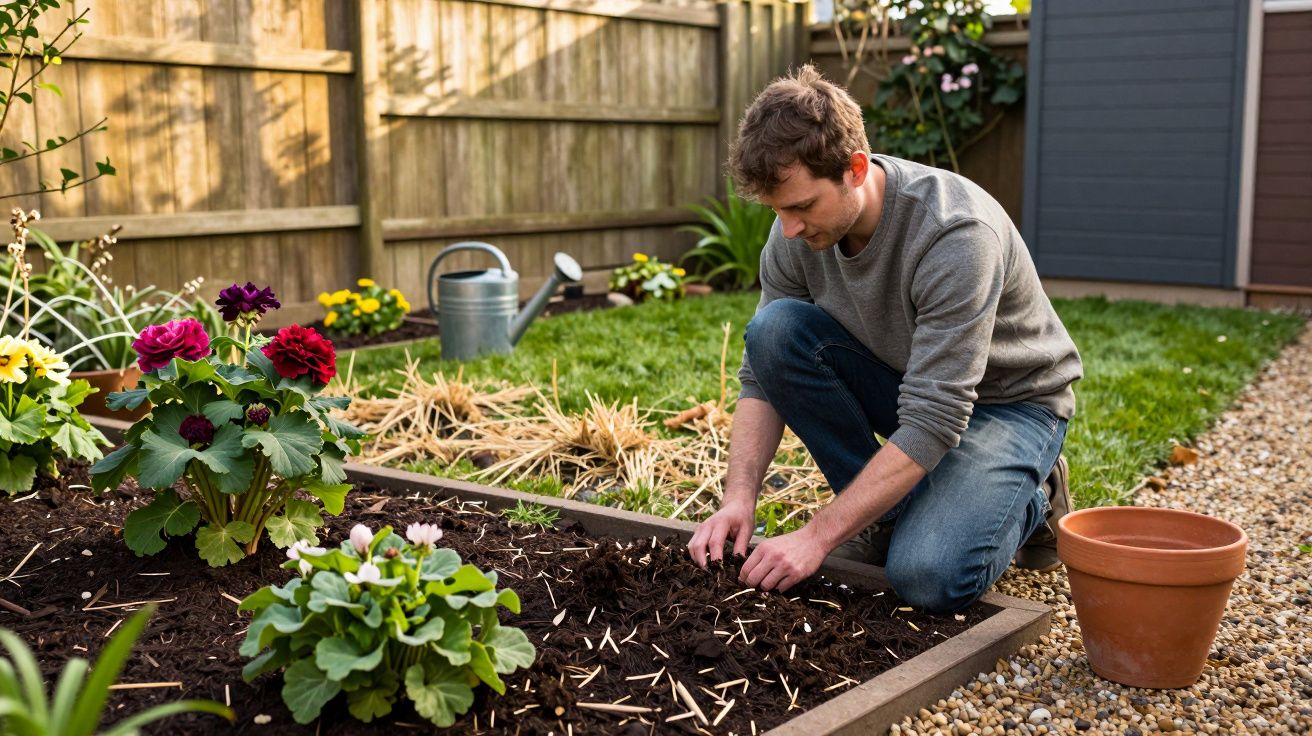
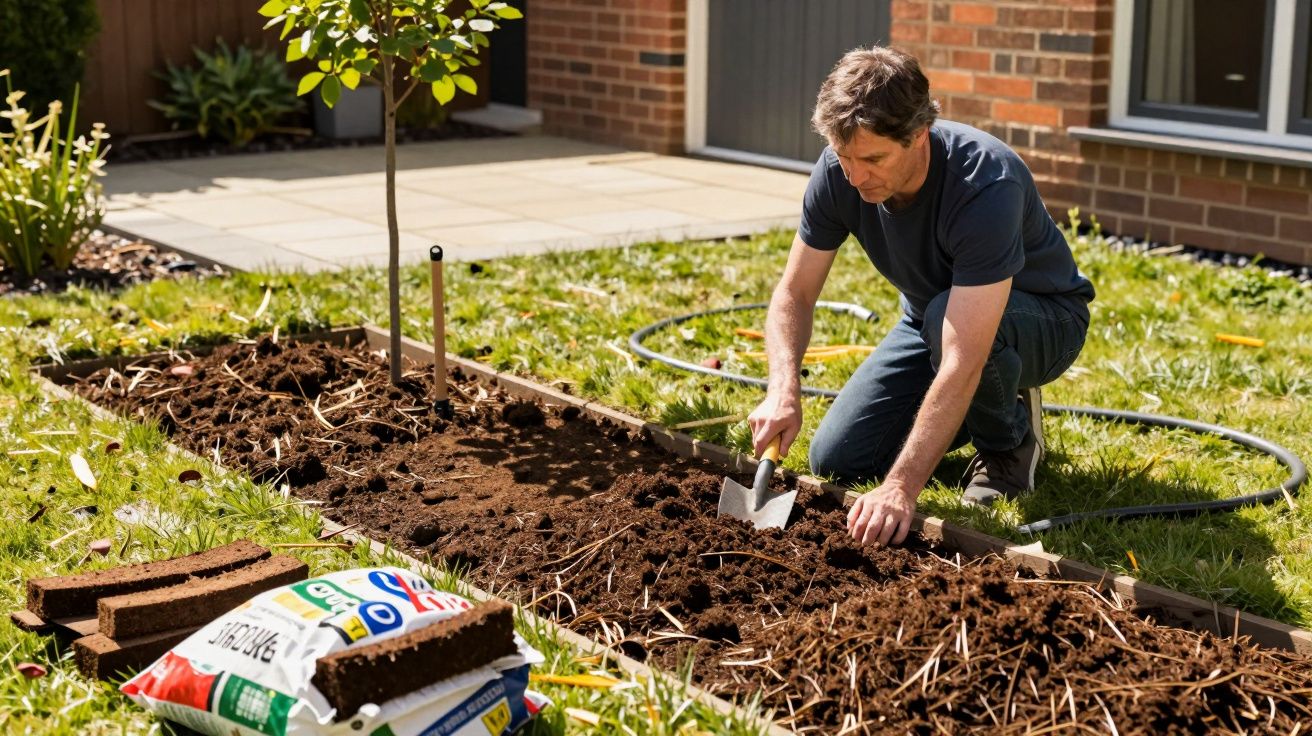
- Over-mulching and over-surfacing. Thick membranes, gravel deserts and sealed paving starve soil life and prevent ground-nesting bees. Keep some bare or lightly vegetated ground.
If you’re worried about the neighbour factor, frame the wild bit. A mown strip around a meadow patch, a neat path through longer grass, or a clear border edge signals intent. People tolerate “mess” when it looks like a choice, not a lapse.
“The goal isn’t a garden that behaves. It’s a garden that supports life.”
A simple way to choose your one small intervention
If you only do one thing this month, pick the missing resource on your patch. You can diagnose it in a minute by standing still and asking: what would struggle here - food, water, shelter, or safe movement?
| What’s missing | One small intervention | Why it matters |
|---|---|---|
| Water | Small pond or sunken tray with stones | Boosts insects; supports birds and bats |
| Shelter | Log/leaf pile in shade | Overwintering sites; feeds soil food web |
| Food | 5–7 nectar plants in succession | Continuous forage for pollinators |
| Movement | Hedgehog gap + shrub cover | Connects fragmented habitat |
Start tiny, then watch. The feedback loop is the point: you’ll see which flowers are busy, which corners stay damp, where birds choose to land. Like any good system, the garden will tell you what to do next - if you leave it enough signals to speak.
What changes when your space becomes a “stepping stone”
At first, the gains are subtle: more insects at dusk, a different kind of birdsong, a softening of the sterile feeling that hard surfaces create. Then patterns show up. You notice which weeks are nectar gaps, which spots bake, which plants host caterpillars (and therefore which plants matter more than you thought). The garden stops being a backdrop and becomes a small, working landscape.
This is how big ecological recovery actually happens in towns: not through one perfect meadow, but through many imperfect stepping stones. One pond becomes a chain of ponds. One hedgehog gap becomes a route. One patch of flowers becomes enough forage for a queen bumblebee to found a colony that wouldn’t have existed otherwise. Small interventions aren’t “cute”. They are infrastructure.
FAQ:
- Can habitat creation work in a paved courtyard or balcony? Yes. Use containers with nectar plants, add a shallow water dish with stones, and include a small “bug hotel” of bamboo canes or drilled hardwood in a dry spot.
- Do I need to use only native plants? Prioritise native where you can, but focus on function: single flowers, high nectar/pollen, and a spread across seasons. Avoid invasive species.
- Will a pond attract mosquitoes? A balanced pond with plants and predators (like dragonfly larvae) tends to regulate mosquitoes. Avoid stagnant buckets; add movement or refresh small containers regularly.
- How do I keep it from looking scruffy? Add a mown edge, a path, or a clear border. “Managed wild” reads as intentional and keeps neighbours on side.
- What’s the single most impactful change for wildlife? Often it’s reducing pesticides and providing water. Many gardens already have plants; fewer have safe, reliable water and an intact food chain.


Comments (0)
No comments yet. Be the first to comment!
Leave a Comment