Someone on your street has a “rewilded” garden that’s basically a patch of nettles, a rusting water butt and a vibe. They’ll tell you it’s rewilding concepts in action and that it’s the only honest form of sustainable landscaping left. You nod, feel slightly guilty about your tidy borders, and secretly wonder why the place looks more abandoned than alive.
That feeling is the myth doing its job.
The biggest mistake most gardens make with rewilding isn’t choosing the wrong plants. It’s confusing less gardening with better ecology, and assuming nature automatically sorts itself out once you stop interfering.
The rewilding myth: “Just stop mowing and it’ll fix itself”
In a big landscape, stepping back can allow complex habitats to return. In a typical UK garden - fenced, fragmented, often shaded, and surrounded by other managed spaces - “doing nothing” usually creates a very predictable outcome: a few tough species take over, pests find a home, and your neighbours’ goodwill evaporates.
You don’t end up with a meadow. You end up with dominance.
That’s because rewilding concepts are not a single instruction (“hands off”). They’re a set of choices about process: how you make space for life, how you reduce inputs, and how you let natural cycles run without leaving the system stuck in a low-diversity rut.
What actually happens when you “leave it”
Picture the back corner you stopped touching last spring. It starts out promising: a few dandelions, some clover, a soft, scruffy charm. Then the same things happen in garden after garden.
The vigorous species win first. Coarse grasses, bindweed, bramble, nettles if the soil is rich - not because they’re “bad”, but because they’re good at claiming disturbed, fertile ground quickly. They shade out slower, less aggressive wildflowers before those plants ever get established.
Then the garden’s structure collapses into a single layer. Everything is either ground-level tangle or one overgrown shrub. You don’t get the mix of heights, gaps, basking spots, and shelter that insects, birds and amphibians actually use.
Finally, you get the human problem: it looks accidental. Most people don’t mind wild. They mind “unloved”, because unloved tends to spread.
The shift that makes rewilding work in small spaces
The trick is to swap “neglect” for “intentional mess”.
Sustainable landscaping in a garden is less about grand gestures and more about repeating a few small, ecological decisions until they become the default. You’re not trying to recreate a national park; you’re trying to create a functioning patchwork: food, water, shelter, and continuity through seasons.
A good rule is: intervene less, but intervene with purpose. Cut at the right times. Create variety. Reduce the easy wins for bullies. Add features that your plot simply can’t generate on its own.
The practical version: a rewilded garden that still looks like you meant it
If you want something you’ll keep doing (and that your household won’t revolt against), start with these moves. They’re small, but they change the whole trajectory.
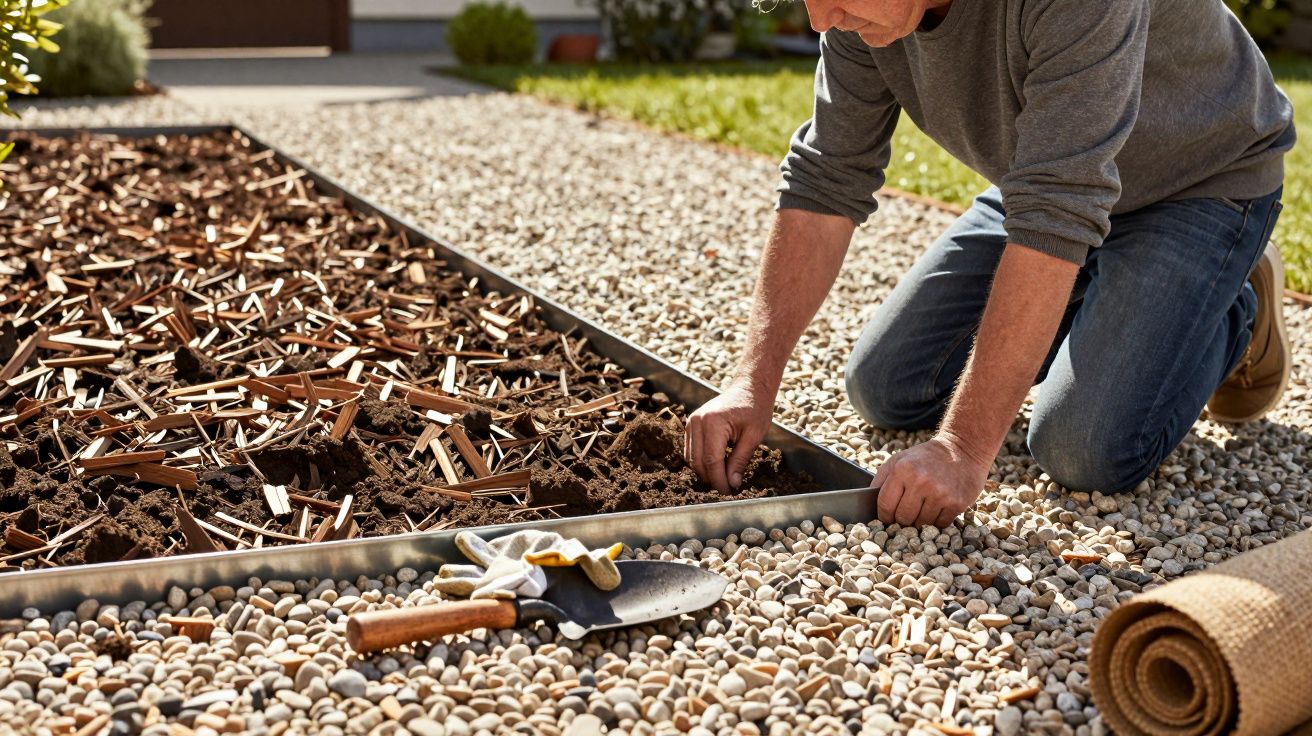
- Keep one edge tidy. A mown path through longer grass, a clipped border, or a clear gravel strip signals intent. It buys you social permission while the habitat matures.
- Do “mosaic mowing”, not zero mowing. Leave some areas long, cut others, and rotate. Long grass is habitat; varied grass is more habitat.
- Reduce fertility. Most gardens are too rich for wildflowers. Remove cuttings, avoid feeding lawns, and think twice before adding compost everywhere.
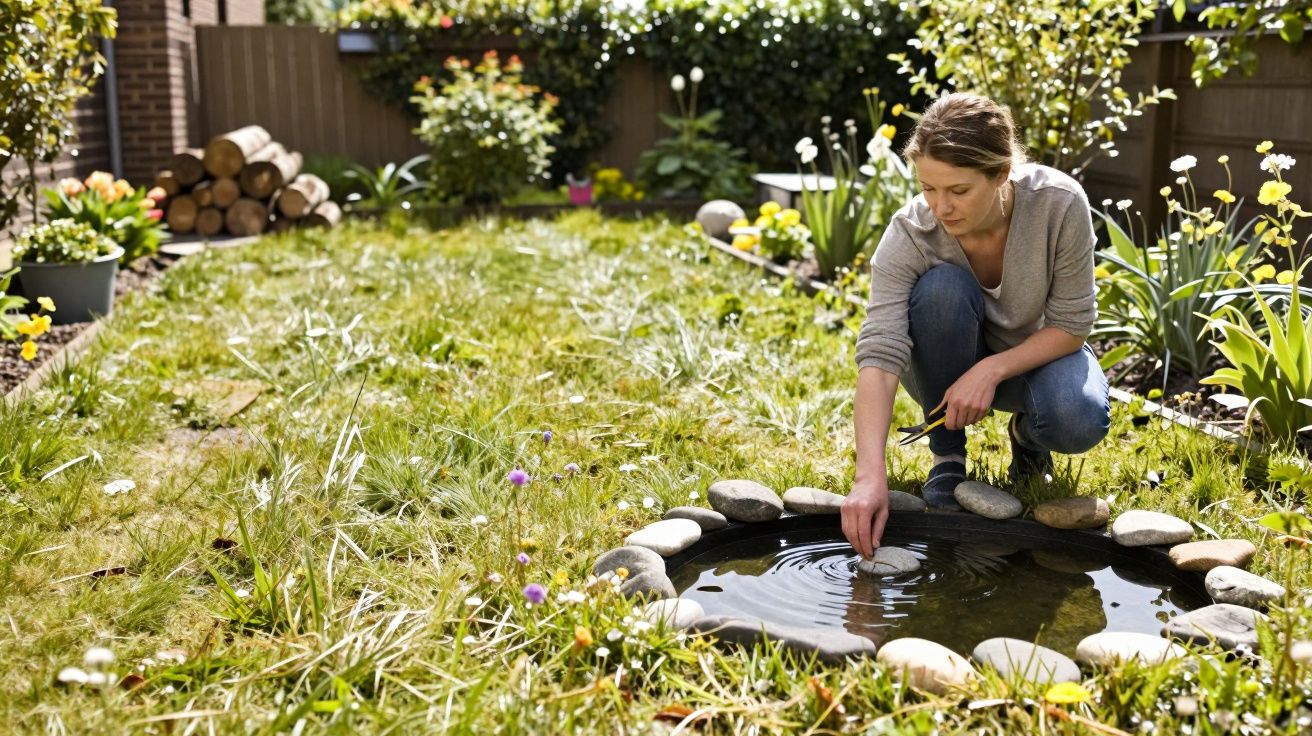
- Add structure, not ornament. A log pile in shade, a small pond (even a sunken tub), a patch of bare soil for ground-nesting bees - these outperform most “wildlife décor”.
- Plant for continuity. Choose a few natives or near-natives that flower across the year: early (primrose), mid (knapweed), late (ivy). The gap months are where gardens fail wildlife.
One London gardener I know did nothing for a year and got nettles and complaints. The second year she mowed a path, cut in late summer, removed the clippings, and added a shallow pond the size of a washing-up bowl. Suddenly it wasn’t “overgrown”. It was a place things happened.
The part everyone skips: rewilding still has maintenance
This is where the word “myth” really matters. Rewilding concepts don’t remove work; they change the work.
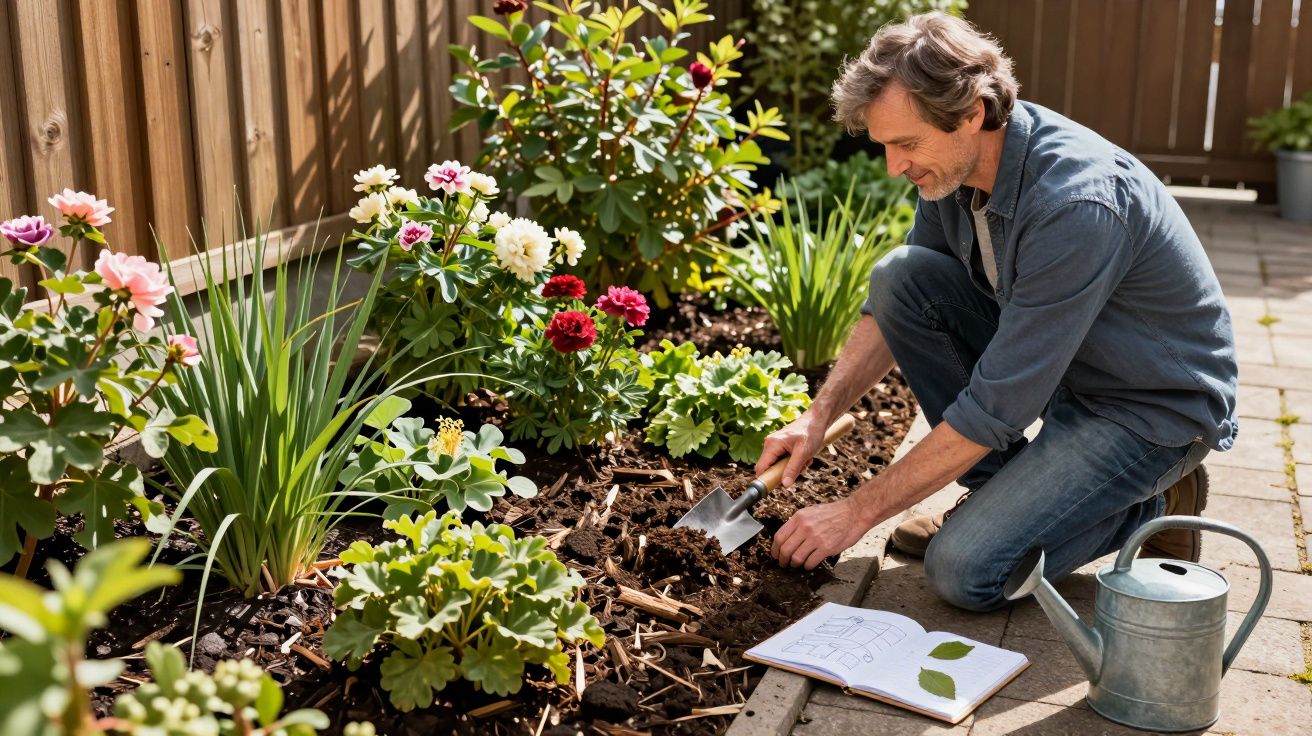
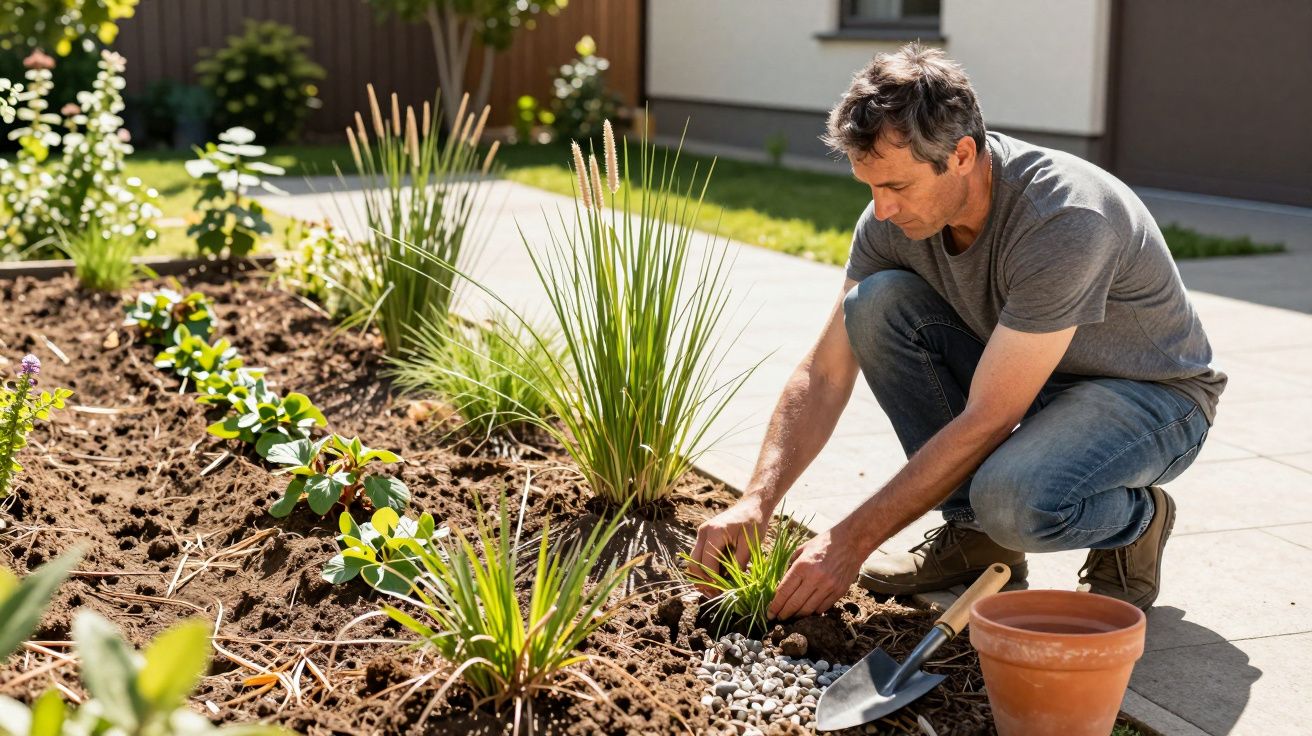
Instead of weekly mowing, you do two or three deliberate cuts. Instead of constant weeding, you do targeted editing: pulling bindweed before it strangles, keeping bramble from swallowing the lot, leaving seedheads until late winter and then clearing before spring growth.
You also watch. A rewilded garden that thrives is one where someone notices what’s dominating, what’s missing, and what’s quietly doing well.
If you only remember one thing, make it this: a small garden needs design to become habitat.
A quick “myth vs reality” cheat sheet
| Myth | Reality | What to do instead |
|---|---|---|
| “No mowing = meadow” | Meadows are managed systems | Mow 1–2 times a year and remove cuttings |
| “Wild means messy” | Wildlife likes structure and variety | Add pond/log pile/bare soil + keep a tidy edge |
| “Nature will balance it” | Small plots get dominated fast | Intervene lightly: edit bullies, encourage diversity |
FAQ:
- Is rewilding just leaving the garden alone? Not in most UK gardens. Rewilding concepts work best when you reduce inputs and manage deliberately (timed cuts, removing fertility, adding habitat features).
- Will long grass automatically bring wildflowers? Usually not. In fertile soil, grasses outcompete wildflowers. Cutting and removing clippings, plus introducing suitable plants or seed, helps far more.
- How do I stop a rewilded garden looking neglected? Keep one obvious sign of care: a mown path, a clipped edge, or a defined seating area. “Cues of intention” change how people read the space.
- Do I need native plants only? Native plants are often great for local insects, but a mixed approach can still support wildlife if you prioritise long flowering seasons, pollen/nectar value, and low chemical inputs.
- What’s the quickest high-impact feature I can add? Water. Even a small, shallow pond or sunken container in a sunny spot can transform what visits your garden.



Comments (0)
No comments yet. Be the first to comment!
Leave a Comment