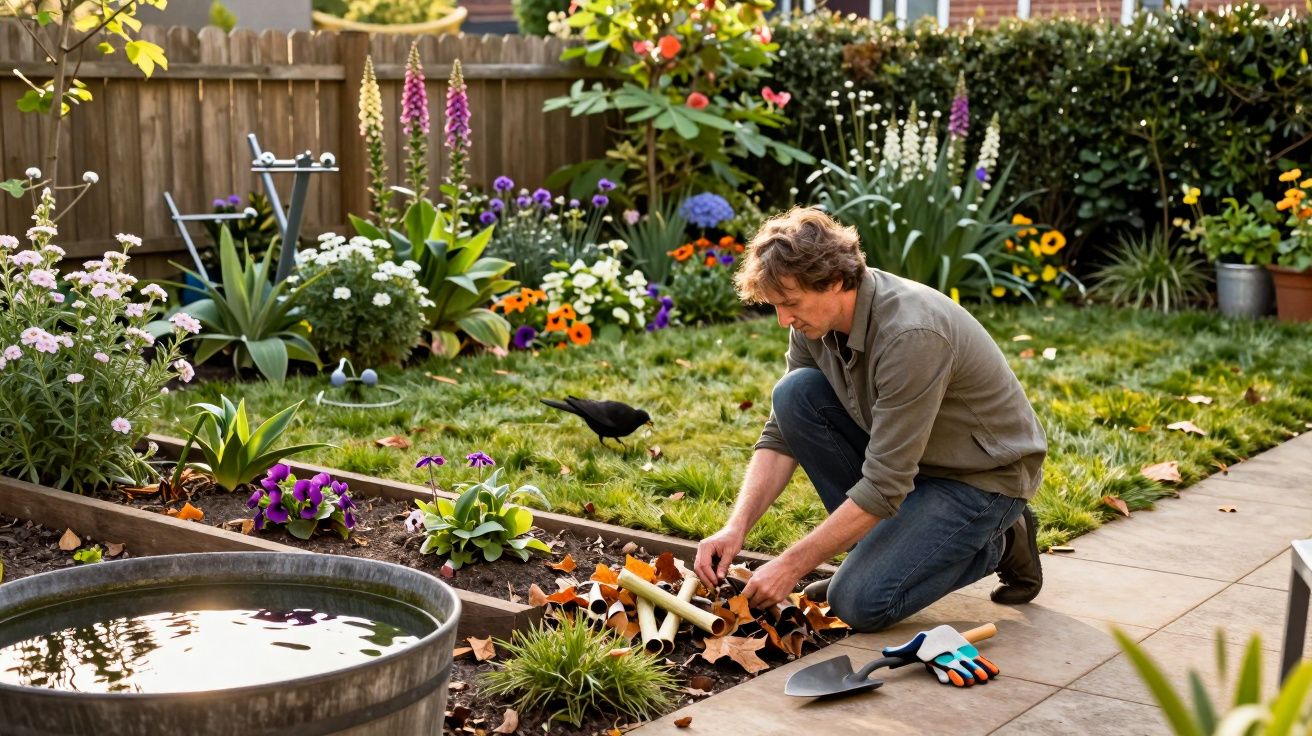
Landscaping guided by biodiversity is quietly changing what “a nice garden” means in Britain, from clipped lawns and tidy borders to spaces that actually work for wildlife. It often starts with habitat creation - not a grand rewilding project, just deliberate choices that give birds, insects and soil life somewhere to feed, nest and overwinter. The relevance is simple: a garden designed this way asks for less firefighting over time and pays you back in resilience, colour and a sense that the place is alive.
You see it in small moments. A blackbird pulling a worm from leaf litter you didn’t bag up. A haze of hoverflies over a patch of marjoram. A damp corner that used to feel “messy” now hosting frogs that keep the slugs honest.
The garden you build is the garden you maintain
Most garden stress comes from fighting the site. You plant thirsty things in a dry spot, then chase them with a hose. You lay pristine turf under a tree, then wonder why it thins and turns to mud. You tidy every stem in autumn, then complain the next summer is “quiet” for butterflies.
Biodiversity-first design flips that dynamic. It assumes the garden is a set of conditions - light, moisture, shelter, soil - and the planting is a response, not a demand. The long-term benefit is not just “more bees”. It’s fewer weak points, fewer repeat problems, and a garden that steadies itself when weather swings.
The surprise for many people is that a garden can be both more natural and more predictable - once you stop forcing it into one look all year.
What “biodiversity first” looks like in real gardens
It doesn’t require a pond the size of a tennis court or a meadow that frightens the neighbours. It looks like layers, edges, and somewhere for life to hide when you’re not watching.
A practical checklist usually includes:
- Structure: trees or small standards, shrubs, tall perennials, ground cover - different heights for different species.
- Continuous food: flowers from early spring to late autumn, plus berries/seed heads that stay up into winter.
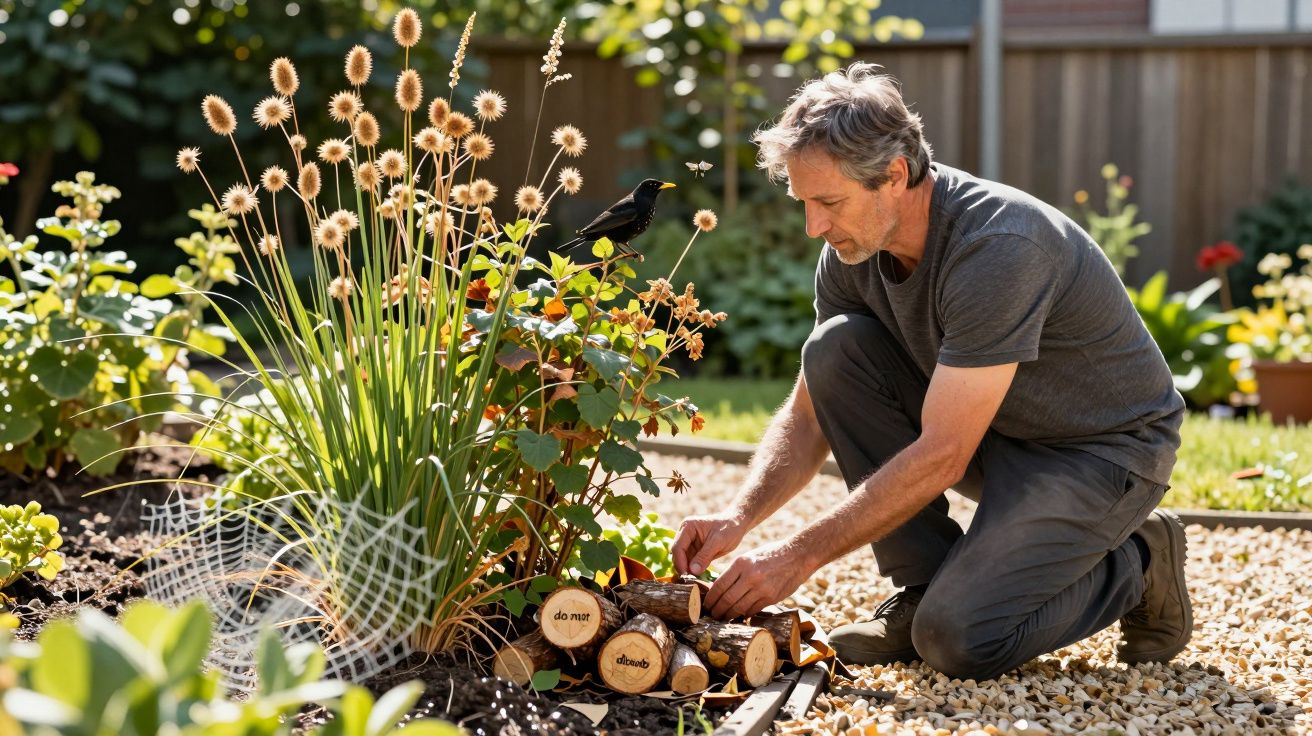
- Shelter and nesting: hedging, log piles, leaf litter tucked behind planting, hollow stems left until spring.
- Water: a pond, a shallow dish, or a damp “rain garden” dip that holds water briefly after storms.
- Less chemical dependence: fewer pesticides and quick-fix feeds that knock ecosystems off balance.
The key is that habitat creation is built into the layout, not bolted on as a bug hotel at the end. A sheltered, sunny edge with native-ish flowering plants will outperform most gimmicks, simply because it’s usable habitat every day.
The long-term payoff: resilience you can feel
The first year can look like change. The third year looks like a system.
1) Fewer pest blow-ups, because predators move in
A garden with cover and food brings the quiet workforce: ladybirds, lacewings, parasitic wasps, frogs, hedgehogs where they’re still around. They don’t eliminate pests, but they stop the boom-and-bust cycles that make you panic-spray.
If you’ve ever had a season where aphids arrived like a sudden fog, you know the feeling. Biodiversity-first gardens tend to have more “buffers”: alternative prey, more hiding spots, more insects arriving earlier.
2) Better drought and flood tolerance, with less effort from you
Dense planting shades soil. Leaf litter and mulches feed fungi and improve structure. Deep roots open channels that let rain soak in rather than sheet off. Over time, the garden holds water when it’s dry and drains better when it’s wet - which is exactly the pattern we’re learning to expect.
Even small changes compound. A strip of long grass, a planted swale, or simply not compacting the soil with constant edging and barrowing can make a noticeable difference by year two.
3) Lower maintenance, but not “no maintenance”
This is the part people misunderstand. Biodiversity-first doesn’t mean abandoning the garden. It means shifting the work.
You do less of:
- mowing to keep a green rectangle alive
- replacing plants that never suited the conditions
- constant feeding and watering to prop things up
- sweeping the place sterile every weekend
And more of:
- editing (cutting back in batches, leaving some stems standing)
- adding plants that fill gaps and cover bare soil
- watching timing (a bit of patience in spring before you “tidy”)
It’s maintenance that feels like steering, not battling.
Designing for habitat creation without losing the “kept” feel
A lot of British garden anxiety is social. People worry that biodiversity will read as neglect.
The trick is to make the wild bits look intentional. Define edges. Repeat a plant in drifts. Keep a clear path. Put the “mess” behind a strong line.
Simple moves that help:
- Mown paths through longer grass (it instantly looks designed).
- One clean, maintained area (patio, seating, a small lawn) with richer planting around it.
- Clumps, not scatter: three of a plant reads as a choice; one reads as a volunteer.
- Seasonal signage for yourself: leave seed heads until late winter; cut back in March when new growth starts.
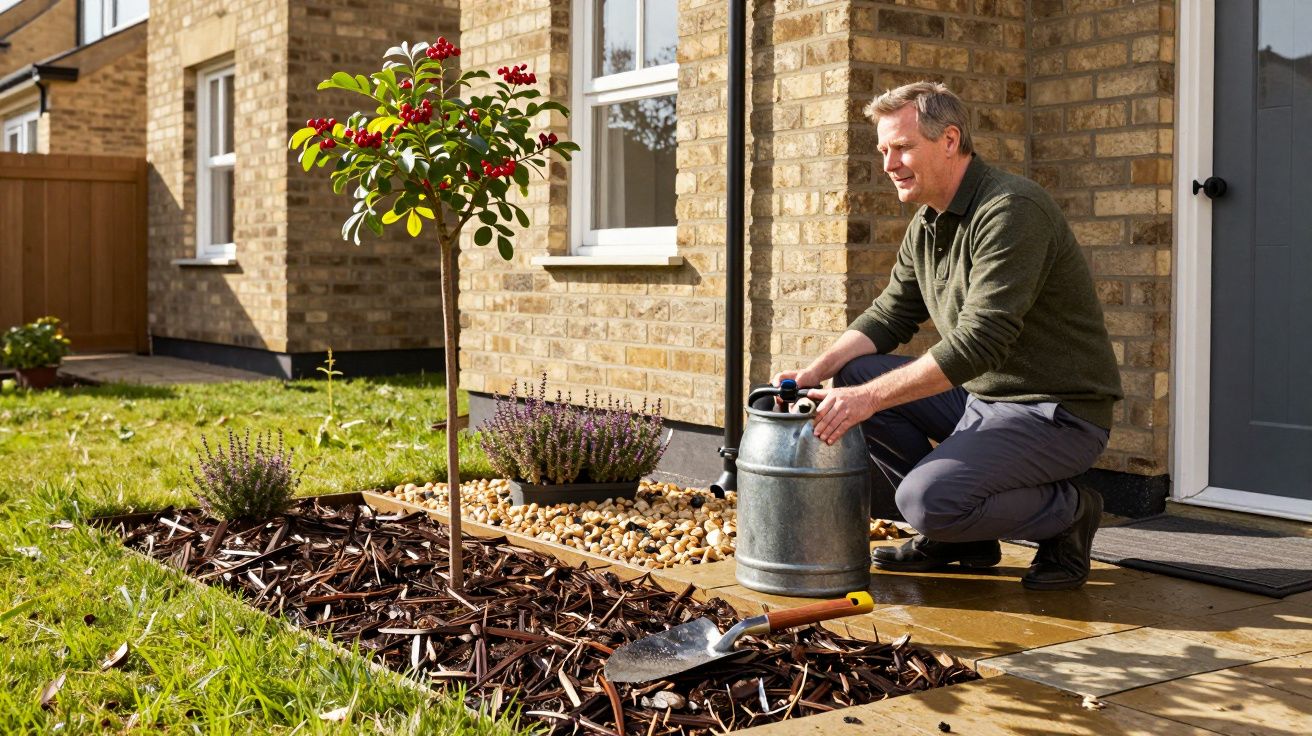
That approach makes space for wildlife without asking you to live in a thicket. It also helps if you’re in a front garden, where neighbours see your choices up close.
A few high-impact swaps that compound over years
Not every garden needs a redesign. The biggest long-term gains often come from replacing one habit at a time.
- Swap a strip of lawn for mixed native hedging or a shrub bed with underplanting.
- Replace annual bedding with perennials and grasses that stand through winter.
- Keep a corner as a leaf-litter refuge (behind a screen of planting if you like it tidy).
- Plant for a longer season: crocus → native bluebells where suitable → foxgloves → knapweed → ivy flowers late in the year.
- Add water in the smallest workable way: even a half-barrel pond changes what turns up.
None of this is about perfection. It’s about giving nature enough footholds that it starts doing the heavy lifting with you.
| Change | What it supports | Long-term benefit |
|---|---|---|
| Leave some stems/seed heads over winter | overwintering insects, birds | fewer pest spikes, more birdsong |
| Dense, layered planting | cover + continuous food | less weeding, better soil moisture |
| A small water source | amphibians, birds, insects | natural slug control, cooler microclimate |
FAQ:
- Do I need native plants only? No. Natives are often excellent, but a biodiversity-first garden can mix natives with well-behaved non-natives. Prioritise open, pollen-rich flowers, long seasons, and avoid invasive species.
- Will this make my garden look messy? Not if you design clear structure: mown edges, paths, repeated planting, and a deliberate “wild zone” behind a tidy frame.
- When should I stop “tidying up” in autumn? Leave most cutting back until late winter or early spring. Many insects overwinter in hollow stems and leaf litter, and birds use seed heads for food.
- Is a pond essential for wildlife? It’s one of the fastest wins, but not essential. A shallow dish of water, a damp area, or a small container pond can still support plenty of life.
- How long does it take to see results? Some changes are immediate (more pollinators on new flowers). The bigger benefits - fewer pests, better soil, more stable planting - usually show up over 2–3 seasons.




Comments (0)
No comments yet. Be the first to comment!
Leave a Comment