Most people treat an “untidy” corner as a to-do list: weed it, edge it, tame it. Yet in habitat creation - and in wildlife-friendly gardens, parks and even business grounds - leaving certain areas untouched can be one of the most effective actions you take, because it quietly keeps whole food webs functioning.
It looks like doing nothing. In ecological terms, it’s letting micro-habitats form: the damp under a log, the seed head left standing, the long grass that never quite gets flattened.
The tidy instinct, and what it erases
A neat garden is easy to read. You can see where the lawn ends, where the border begins, and what’s “supposed” to happen next. The trouble is that many species rely on the messy in-between: not permanent wilderness, but patches that are allowed to linger.
When we clear everything back - cutting, raking, sweeping, stripping - we remove shelter and food at the exact moments they’re hardest to find. That matters not only for rare wildlife, but for the everyday creatures that pollinate, recycle nutrients and keep pests in check.
The point isn’t neglect. It’s choosing a few places where nature gets to finish a job you keep interrupting.
What “untouched” actually means (and what it doesn’t)
“Leave it alone” can sound vague, or like permission for brambles to swallow the patio. In practice, it’s more like zoning: you keep high-use areas tidy, and you deliberately relax control elsewhere.
Think of untouched as low-intervention rather than no intervention:
- mowing less often (or not at all) in a strip or corner
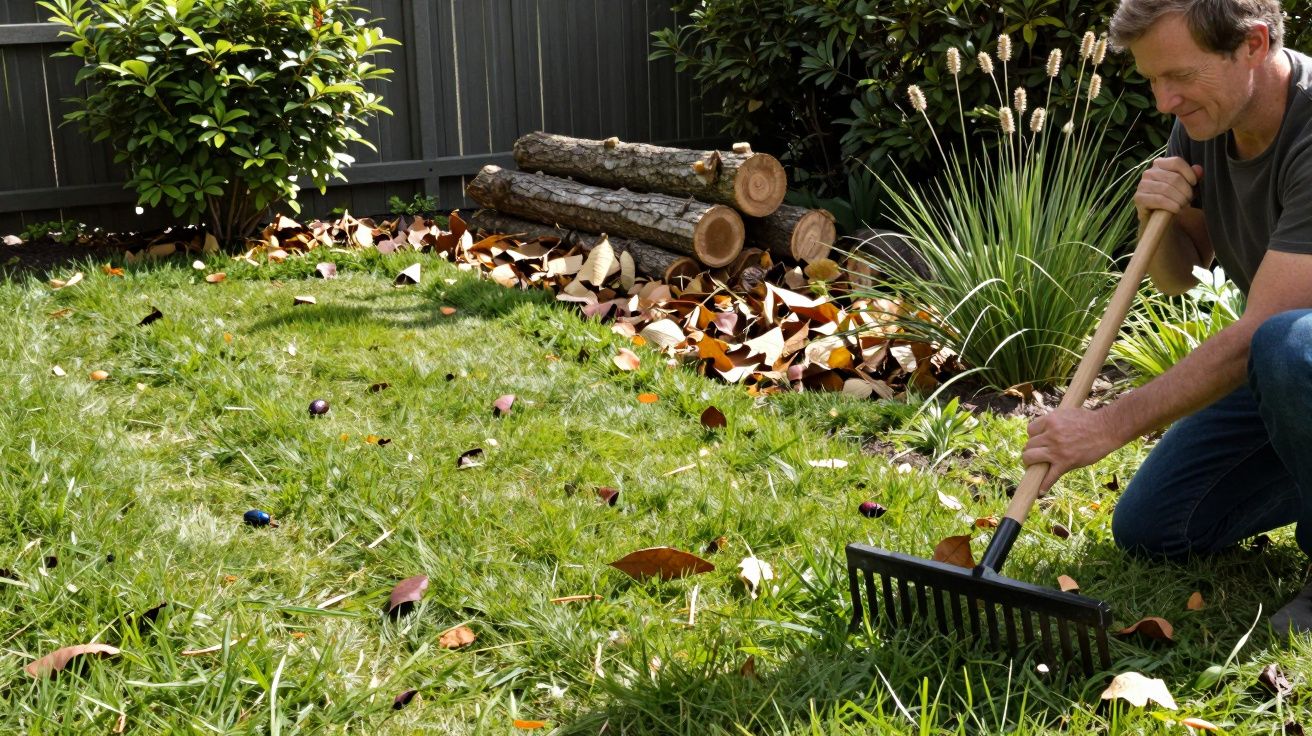
- leaving some leaf litter under hedges and shrubs
- keeping a small pile of sticks, stems or old prunings
- letting a patch of nettles, thistles or “weeds” stay put
- avoiding heavy digging in one bed each year
The benefit comes from continuity. A habitat that lasts for months becomes a home, not just a pit stop.
The hidden workers: how small mess makes big habitat
A garden’s most important residents are often the ones you don’t photograph. They are also the ones most disrupted by constant tidying.
Leaf litter: the pantry and the blanket
A thin layer of leaves is more than compost-in-waiting. It keeps soil moist, buffers temperature swings, and gives cover to beetles, woodlice, worms and overwintering butterflies. Those, in turn, feed birds, frogs, hedgehogs and slow worms.
If you remove every leaf as soon as it falls, you’re not just “cleaning up”. You’re taking away winter shelter and spring food in one go.
A simple compromise works in most gardens:
- clear paths and lawns for safety
- leave leaves under shrubs, hedges and in borders
- rake only what you need, not what you can
Long grass: a vertical neighbourhood
A lawn cut weekly stays biologically quiet. Letting even a narrow strip grow longer changes the structure of the space: different humidity, different temperatures, more hiding places. That’s why you often see more spiders, grasshoppers and small pollinators in rough grass than on a clipped lawn.
Long grass also acts as a corridor. In a fragmented urban landscape, being able to move unseen from hedge to hedge can decide whether an animal survives.
Dead wood: not waste, but housing
Rotting wood is prime real estate. Fungi soften it, insects move in, and birds forage in it. A single log pile can support hundreds of invertebrates over a year, which is why it’s a classic tool in habitat creation.
If you’re short on space, you don’t need a “feature”. You need a bit of patience:
- stack a few thicker branches in a shaded corner
- avoid pressure-treated timber
- keep it in contact with soil so decomposition can start
Why “doing less” often supports more life
Gardening advice is full of jobs because jobs feel like progress. But for wildlife, repeated disruption is the problem: nests cut down, stems removed before insects emerge, soil turned just as frogs start moving.
Leaving areas untouched helps in three main ways.
It protects life stages you never see
Many insects overwinter in hollow stems, under stones, inside seed heads, or tucked into dry grass. Some moths pupate in leaf litter. Some solitary bees nest in bare soil banks you might be tempted to “neaten”.
You don’t need to identify every species to help them. You just need to stop resetting the habitat to zero.
It keeps food available across the lean months
A garden can look generous in June and barren in February. Untouched corners keep the slow supply chain going: decomposers break down plant material, predators find prey, and birds find something worth searching for when feeders run low.
It allows self-seeding and local adaptation
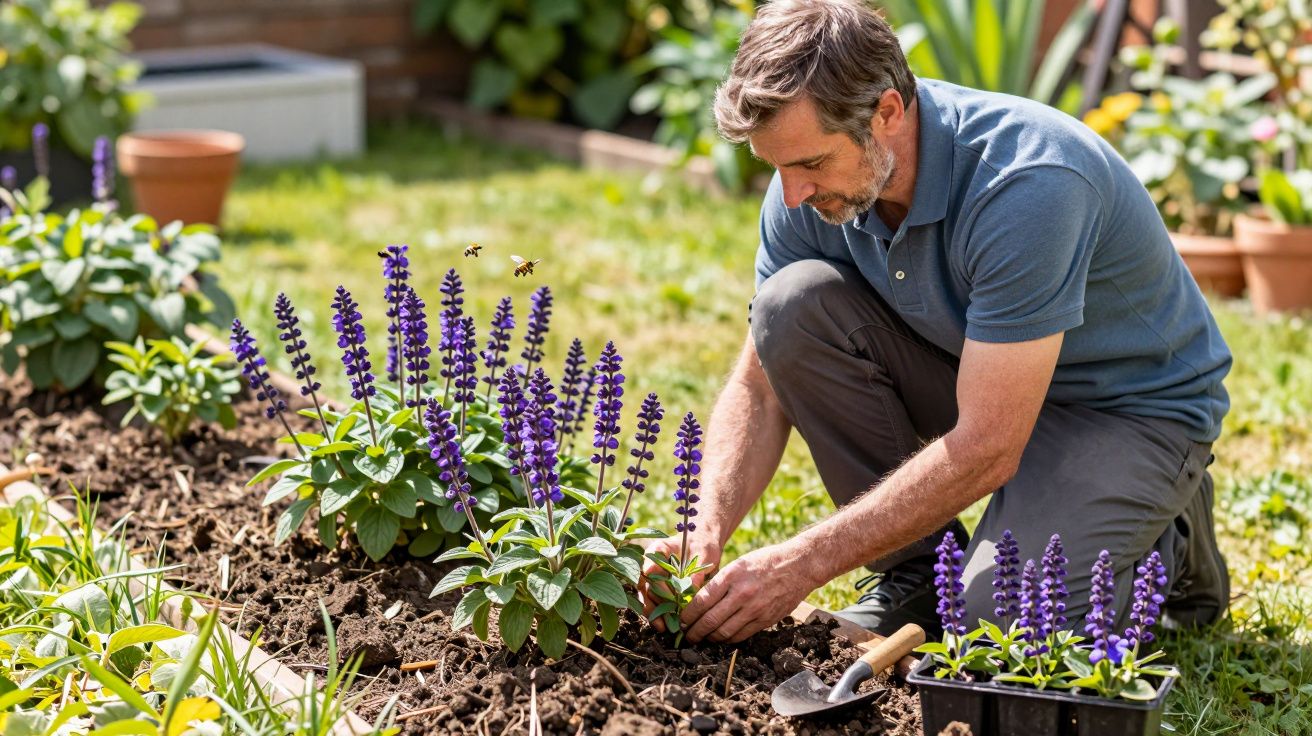
When you let some plants set seed where they stand, you get a quiet, low-cost form of resilience. Self-seeded plants often fit your exact soil and microclimate better than nursery stock, and they create a more natural spread of flowering times - which helps pollinators.
A practical “leave it” plan that still looks intentional
Many people avoid wild patches because they fear it will look abandoned. The trick is to frame the wildness so it reads as a choice.
A small, reliable pattern helps:
- Pick one edge (fence line, hedge base, behind a shed) as your low-intervention zone.
- Define it with a mown strip, a timber border, or a path.
- Add one simple feature: a log pile, a shallow dish of water, or a native shrub.
- Do one seasonal check for safety: remove litter, keep sightlines near paths, and control any plant you truly can’t live with.
That’s often enough to shift a garden from decorative to functional, without turning your weekends into a conservation project.
The biggest mistake: leaving it untouched at the wrong time
Timing matters more than perfection. The well-meaning “big tidy” is often what does the most damage.
If you want a single rule that covers most wildlife-friendly gardens, it’s this:
- Delay hard cutting and full clear-outs until spring is properly underway, and even then, do it in stages rather than all at once.
Staggering work - one patch now, one patch later - means you never wipe out all shelter and food in a single weekend.
Thinking beyond the garden: tiny no-go zones add up
Untouched areas aren’t only for back gardens. They work in school grounds, housing estates, roadside verges, office parks and allotments - anywhere land is managed on autopilot.
A metre-wide strip left long along a fence. A few shrubs allowed to leaf-litter beneath them. A corner where the mower simply doesn’t go. These are small decisions that create continuous habitat across a neighbourhood, which is where habitat creation becomes more than a personal hobby.
FAQ:
- Does leaving an area untouched attract pests? It can attract more insects, but that usually brings more predators too (birds, frogs, ground beetles). Keep compost and food waste managed; “untouched” works best with basic hygiene elsewhere.
- Will my garden look messy all year? Not if you frame it. A mown edge, a clear path, or a defined border makes a wild patch look intentional rather than neglected.
- What’s the easiest untouched feature to start with? A small log or stick pile in a shaded corner, plus leaving leaf litter under shrubs. Both create shelter quickly with almost no effort.



Comments (0)
No comments yet. Be the first to comment!
Leave a Comment