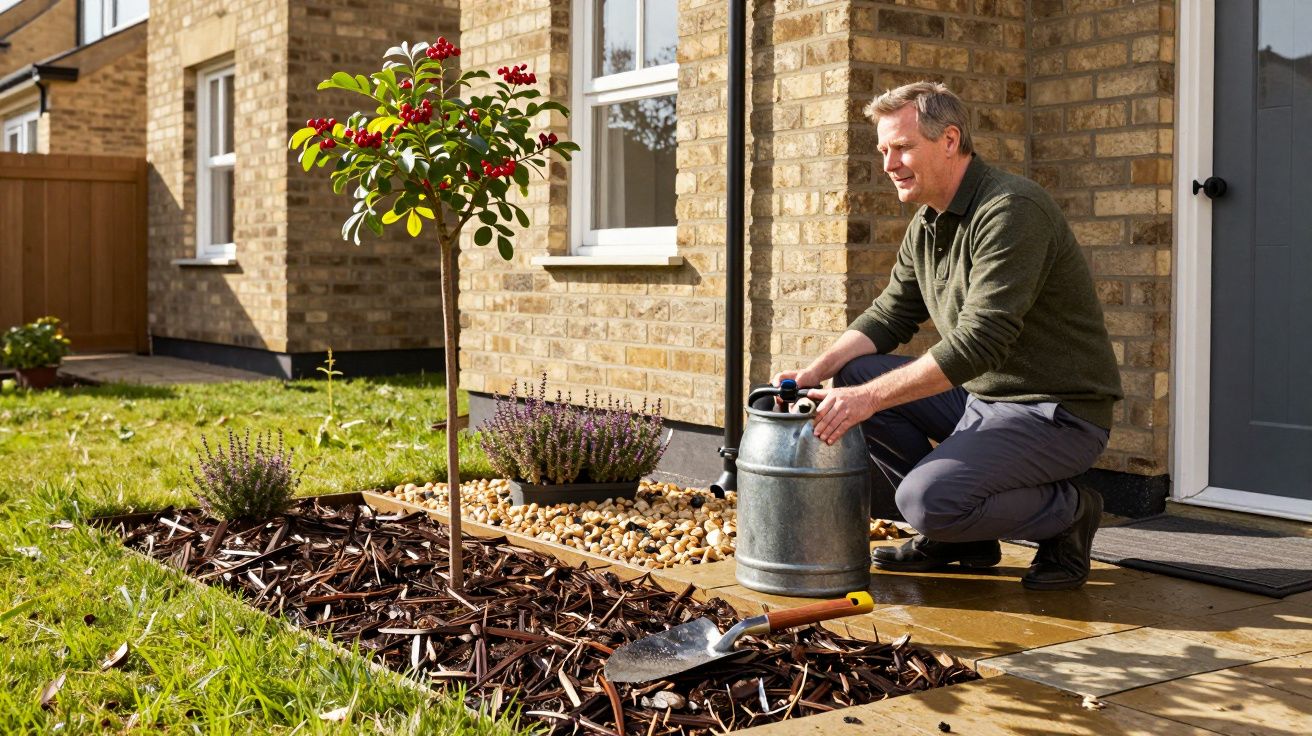
The first time I heard the phrase sustainable landscaping, it wasn’t in a glossy brochure. It was on a cold Saturday in Birmingham, watching a neighbour swap a clipped lawn for gravel, thyme, and a single young rowan-and mentioning nearby urban greening projects as if they were part of the same, quiet plan. It mattered because, in the UK, outdoor spaces are where our water bills, summer heat, and local wildlife all meet, whether we’ve got a postage-stamp garden or a shared courtyard.
You can feel the shift in little details: fewer thirsty lawns, more rain barrels, a messier edge where insects live, and planting that looks slightly “unfinished” on purpose. It’s not always about being perfect. It’s about making a garden that still works when the hosepipe ban arrives and the heat lingers into September.
The end of the “perfect lawn” era (and what’s replacing it)
We’ve all been sold that idea: the good garden is short, green, and obedient. But lawns in many UK gardens are doing a job they’re not suited to anymore-sitting in full sun on compacted soil, asked to stay plush through dry spells, and scolded when they go patchy like toast.
The replacement isn’t one single look. It’s a set of choices that behave better under pressure: drought-tolerant planting, thicker mulches, permeable surfaces, and shaded corners that feel cooler than the patio.
Here’s what’s really changing: the goal is resilience, not showroom. A garden that can look a bit wilder and still be healthy is suddenly the sensible one.
The surprising pivot: it’s not just “more plants”, it’s water
Most people think eco landscaping is about adding greenery. Often, it starts with water-where it falls, where it runs, and where it sits after a storm.
In a typical UK garden, rain hits hard surfaces and disappears into drains, taking heat and pollutants with it. Sustainable landscaping treats rainfall like a resource you’ve already paid for. You slow it down, soak it in, and give it somewhere to go that isn’t your neighbour’s patio or a flooded road.
The small moves that make a big difference
- Swap sealed paving for permeable options (gravel grids, permeable blocks, resin-bound aggregate where appropriate).
- Add a rain garden: a shallow planted basin that catches run-off from a shed or path.
- Use water butts properly: connected to downpipes, covered, and actually emptied between storms.
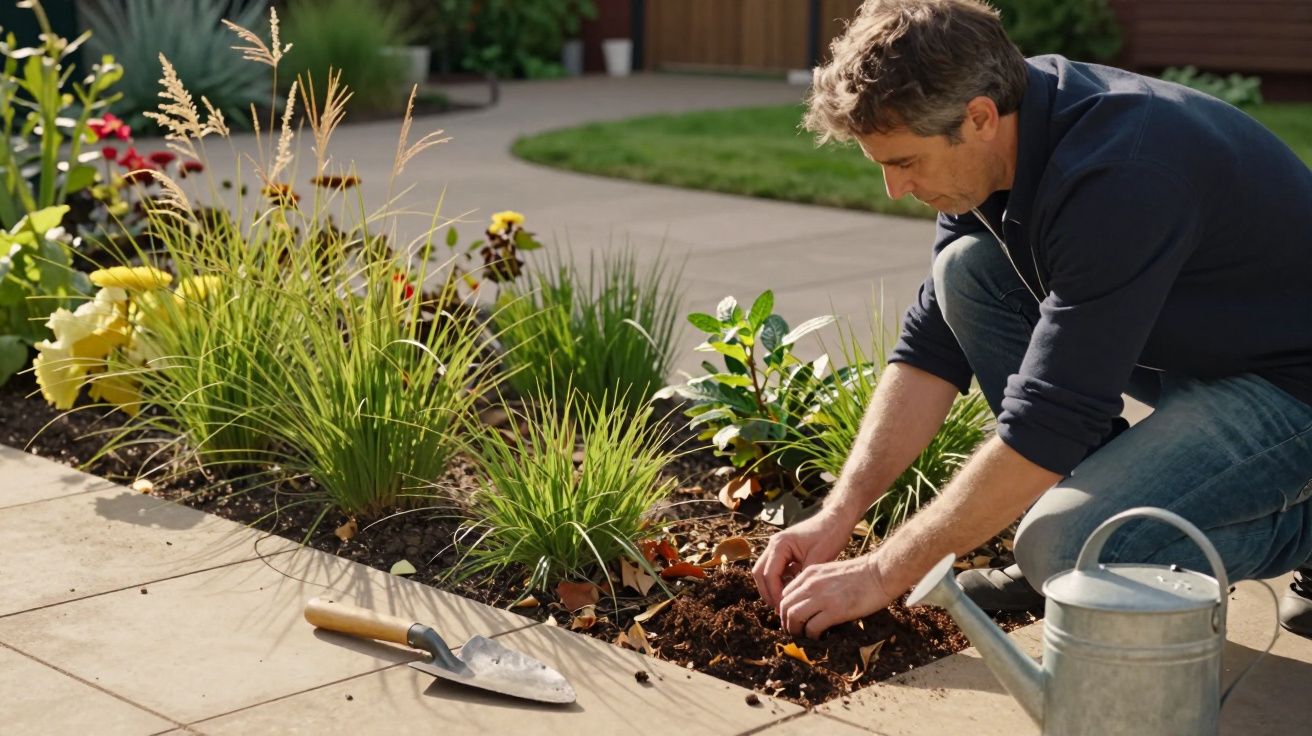
- Mulch like you mean it: 5–8 cm of composted bark or leaf mould reduces watering and improves soil structure.
It’s not glamorous, but it’s the hidden plumbing of a garden that behaves.
Do less gardening, more designing for nature
A lot of traditional maintenance is just fighting the wrong conditions: pruning to control stress, watering to compensate for thin soil, feeding to replace what’s been stripped out. Eco-focused gardens try to exit that loop.
That doesn’t mean letting everything go. It means choosing plants and layouts that make your “normal effort” go further: perennials over constant bedding, mixed hedges over single-species lines, groundcover over bare soil that bakes.
A useful rule is the one people learn the slow way: bare soil is a problem you’ll keep paying for-in watering, weeding, and disappointment.
Planting that copes with UK extremes
You don’t need exotic species to get a tougher garden. You need the right plant in the right place, and the humility to accept that a south-facing strip against a fence is basically a little oven.
Try combinations like:
- Sunny, dry spots: lavender, salvia, rosemary, sedum, achillea, euphorbia (with care), ornamental grasses.
- Part shade and “British damp”: foxgloves, astrantia, hardy geraniums, ferns, hydrangea (if watered well while establishing).
- Edges for pollinators: knapweed, scabious, verbena bonariensis, marjoram, native wildflower mixes suited to soil type.
If you’re replanting, build in layers-groundcover, mid-height, and a few taller anchors-so the soil stays cooler and the habitat stays more stable.
The soil shift: stop “feeding plants” and start feeding ground
One of the quietest parts of the eco landscaping change is the move away from treating soil like a potting medium. In many gardens, the soil is compacted, thin, and starved of life, especially after years of foot traffic and regular raking.
Healthy soil holds water like a sponge and drains like a sieve. It buffers heat. It supports plants that don’t collapse the moment you miss a watering. And it reduces the need for constant fertiliser.
A simple approach that fits real life:
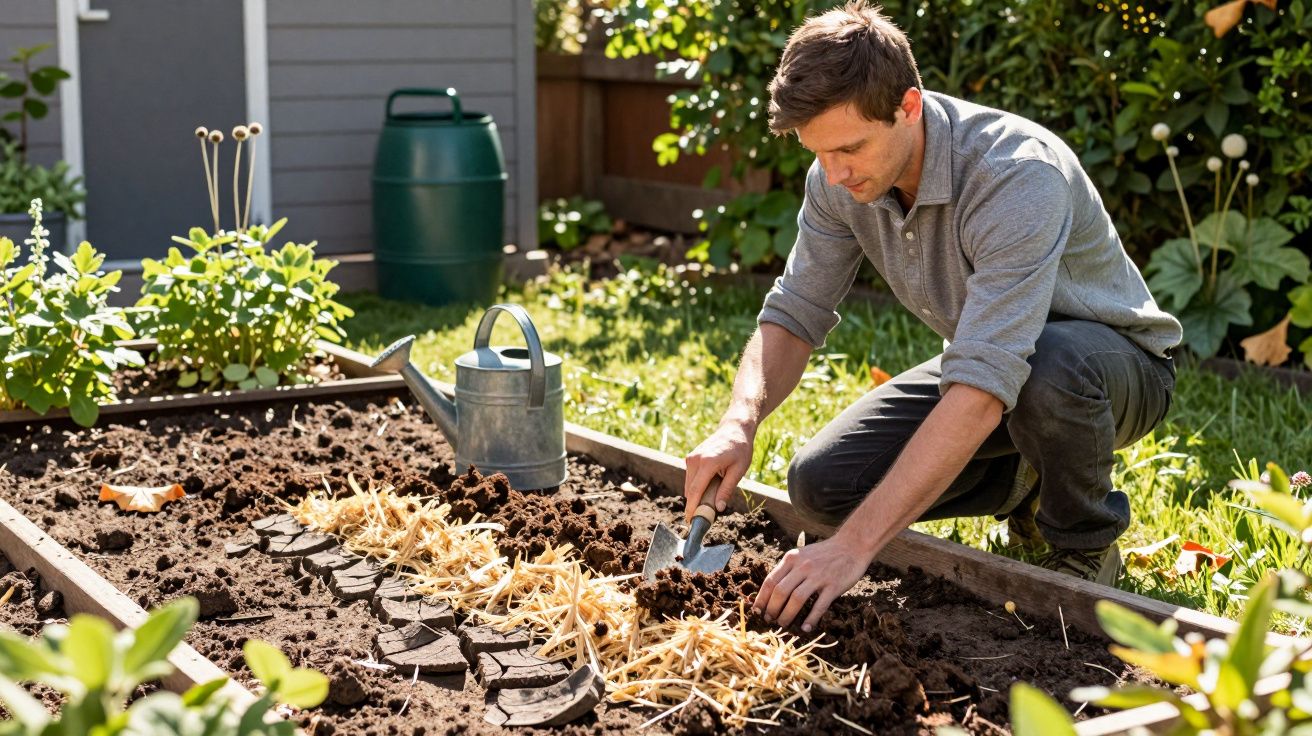
- Add organic matter (garden compost, well-rotted manure, leaf mould) as a top dressing.
- Mulch annually rather than digging everything over.
- Avoid stripping leaves and “tidying” too hard in autumn-let some of that carbon return to the ground.
- Limit compaction: stepping stones, clear paths, and fewer “just pop across” shortcuts.
Let’s be honest: most people don’t have time to become soil scientists. You don’t need to. You just need to stop treating soil like a surface and start treating it like the engine.
Where urban greening projects meet the front garden
It’s easy to think public green spaces and private gardens are separate worlds. They’re not. Urban greening projects-parklets, pocket parks, street trees, green roofs, rain gardens by roads-are often trying to solve the same problems you feel at home: heat, flooding, and a lack of habitat.
The difference is scale. Councils work with kerbs and catchments; you work with a downpipe and a patio. But the logic is shared: slow water, add shade, increase biodiversity, and reduce sealed surfaces.
If you want your garden to “join in” without turning into a community project, focus on the connectors:
- A hedge or mixed boundary planting instead of a bare fence line.
- A small tree (even a multi-stem) for shade and bird habitat.
- A pond or water dish-tiny water sources matter more than people expect.
- Lighting discipline: fewer bright night lights that disrupt moths and bats.
You’re not just decorating your patch. You’re extending a corridor.
The new “low maintenance”: not no work, just fewer emergencies
The promise of low maintenance has been used to sell plastic grass and endless gravel. But those options can create their own problems: heat build-up, poor drainage, and habitat loss. Real low maintenance is the kind that reduces urgent jobs-the frantic watering, the algae-slick patio, the dying shrubs that never quite recover.
A good test is this: does your garden punish you when you get busy? Eco-leaning designs aim for forgiveness.
A weekend checklist that keeps things stable
- Check where water is pooling after rain; adjust gutters, add a channel, or plant into the problem.
- Top up mulch before summer, not during it.
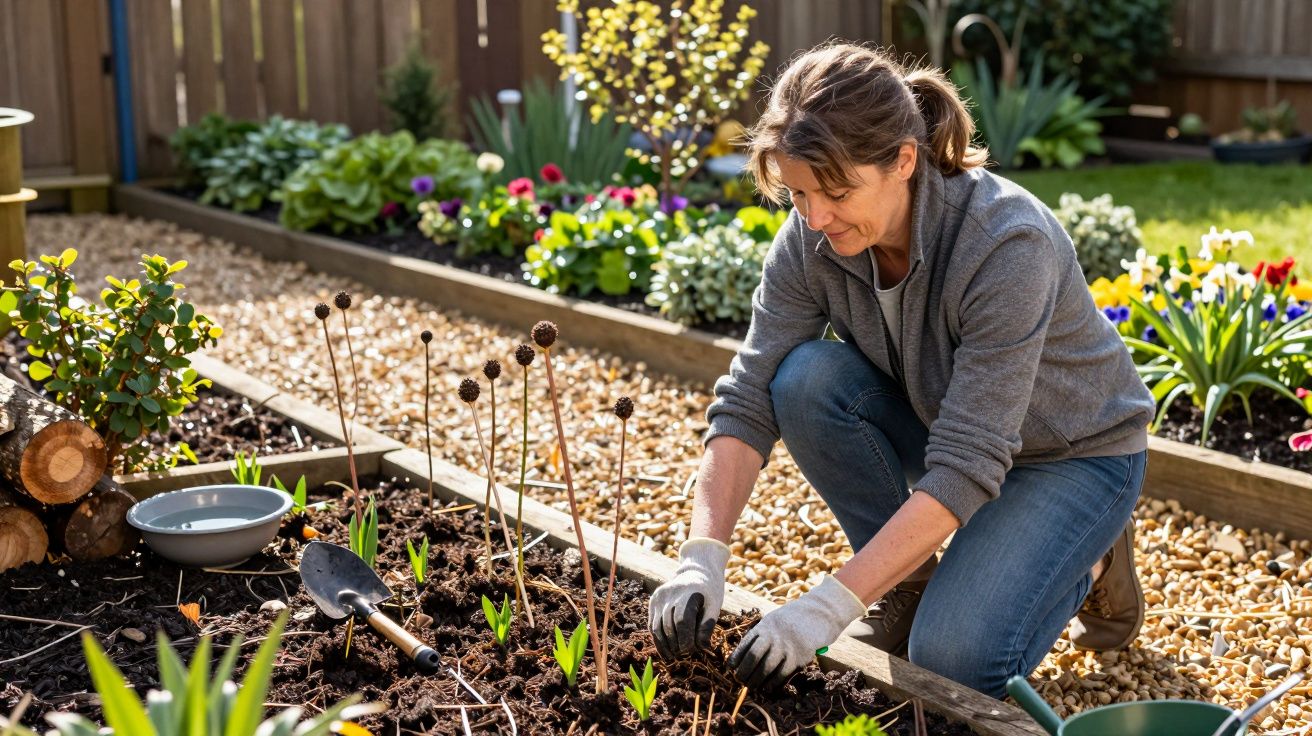
- Cut back in stages (leave some stems over winter; they’re free shelter).
- Replace one “high input” plant each season with something better suited to the spot.
Small, repeated changes beat a heroic redesign you’ll resent.
The version of eco landscaping that actually fits UK life
You don’t need a meadow, a pond, and a composting system to take part in the shift. You can do it with one downpipe, one border, and one decision to stop fighting your garden’s conditions.
Sustainable landscaping is quietly changing UK outdoor spaces because it answers the boring, expensive questions-water, heat, upkeep-while also making places feel more alive. And once you’ve watched a garden cope calmly through a hot week, the old standard of “neat at all costs” starts to look less like pride and more like pressure.


Comments (0)
No comments yet. Be the first to comment!
Leave a Comment