
Everyone loves the show: blossom, butterflies, that first loud strip of colour. But biodiversity-focused landscaping doesn’t start with blooms at all; it starts with environmental practices that make a site quietly habitable long before anything looks “pretty”. The pros I know don’t ask, “What will flower?” first. They ask, “What will live here when nobody’s watching?”
I learned this on a dull, wind-rubbed job where the client wanted instant impact and the soil looked like it had forgotten what softness was. The contractor didn’t reach for a planting plan straight away. She crouched, pressed her palm to the ground, and waited as if the place might answer.
She wasn’t looking for a bud. She was looking for a signal.
The biodiversity signal that matters before any bloom
The earliest sign professionals trust is simple and unglamorous: a soil surface that stays covered and crumbly, with moisture held just below the top. Not soggy. Not baked. That “alive” texture-tiny aggregates that hold together, then break apart-tells you roots can move, water can infiltrate, and microbes can get on with the unseen work that supports everything else.
You can spot it without lab tests. A covered surface (mulch, leaf litter, low groundcover, even last season’s stems left standing) acts like a small climate system. It protects fungal networks, shelters insects, and stops the place swinging from flood to drought in a single week. If the soil is bare and sealed, you can plant all the nectar-rich species you like; they’ll spend the season surviving instead of feeding anything.
There’s a second part to the signal: slow water. When rain lands and disappears gently rather than skating off, that’s your cue the system is starting to function. It’s not a drainage issue alone; it’s the whole chain-structure, organic matter, pore space, life-coming back online.
Why this one cue predicts everything that follows
Plants don’t create biodiversity on their own. They host it. And hosting only works when the basics are in place: stable moisture, oxygen in the root zone, and food for soil life. A crumbly, covered soil surface is the quickest read on all three.
It also tells you whether your “eco” choices will stick. Wildflower mixes fail all the time because they’re asked to perform on compacted, nutrient-skewed, exposed ground. The result looks like bad luck. Usually it’s just the site giving you an honest review.
Think of it like this: flowers are the headline. Soil condition is the subscription model that keeps the whole project running after the ribbon-cutting photos.
“If I can’t see cover and I can’t see infiltration, I don’t talk about planting palettes yet,” a landscape ecologist once told me. “You’ll only be reseeding disappointment.”
How to check it on site in ten minutes
You don’t need fancy kit to read the signal. You need patience, a trowel, and the willingness to look at the ground like it’s the main character.
Try this quick sequence:
- Look for cover. Is at least 70% of the soil shaded by something-mulch, litter, living plants, retained stems? If it’s bare, note where the sun hits hardest.
- Do the squeeze test. Take a small handful from 5–10 cm down. It should hold shape briefly, then crumble with light pressure. If it smears like putty, it’s often too wet or too compacted; if it’s dust, it’s often too dry or depleted.
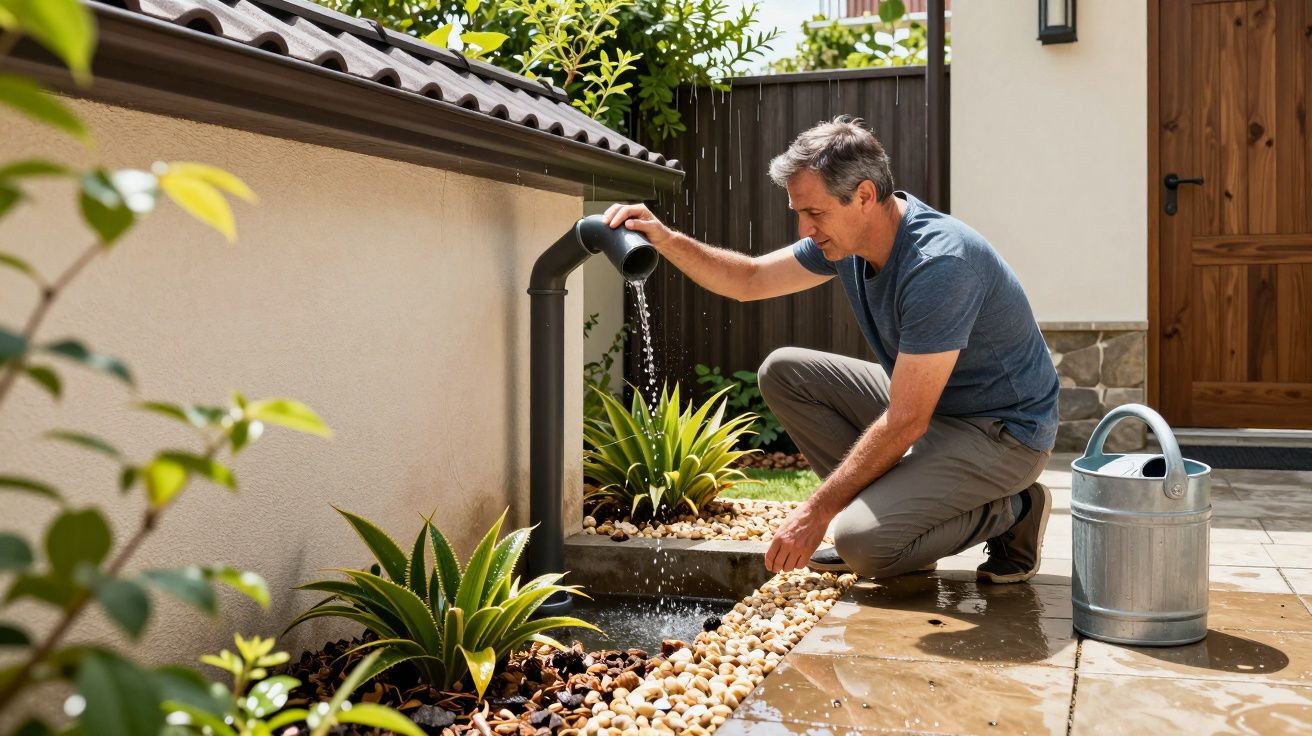
- Watch water. Pour a small watering can over a 30 cm patch. If it runs off or puddles for ages, structure is struggling. If it sinks in steadily, you’re getting somewhere.
- Check for life cues. Fine roots, fungal threads, leaf fragments breaking down, worm casts, beetle holes. None alone is proof-but together they tell a story.
If you’re in an urban courtyard or a new-build verge, don’t be surprised if the first read is bleak. The trick is not to jump to “more plants” as the fix. Start by making the ground a place worth living in.
What professionals do when the signal isn’t there (yet)
When the soil reads as hard, bare, and flashy-drained, the most effective moves are usually the quiet ones. The goal is to reduce stress before you add diversity.
A solid starter set looks like this:
- Stop stripping the site clean. Leave autumn leaves under hedges; keep stems standing through winter where safe. Messy is often functional.
- Add carbon, not just compost. Woodchip mulch, leaf mould, and shredded prunings feed fungi and build structure more steadily than constant rich additions.
- De-compact surgically. Forking or air-spading in targeted zones beats rotavating everything into a uniform problem. Create channels; don’t turn the place into powder.
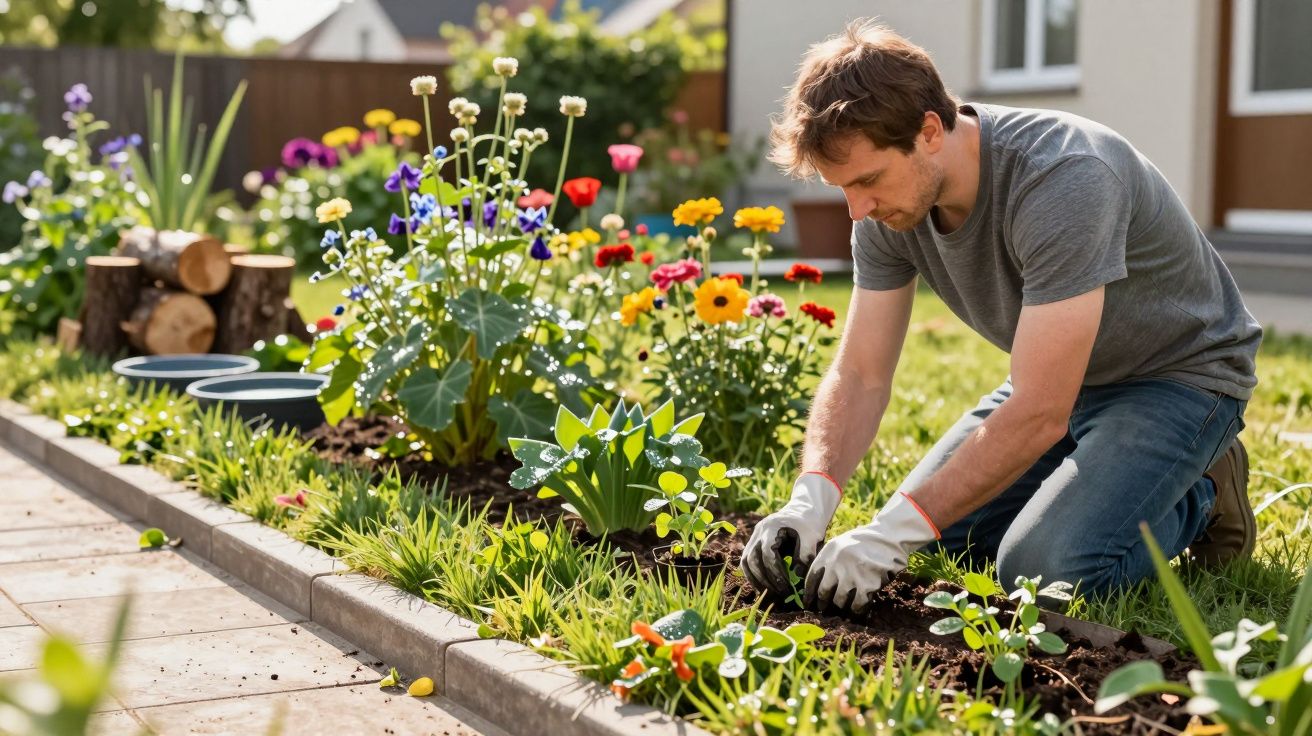
- Plant for cover first. Use tough, low, living mulches (native grasses, sedges, ground-hugging perennials) to shade soil and buffer weather swings.
- Slow water on purpose. Shallow swales, rain gardens, and permeable edges keep moisture in the system without waterlogging roots.
This is where biodiversity-focused landscaping starts to look less like “a wildflower border” and more like a set of environmental practices you can maintain. It’s not about a single heroic planting day. It’s about giving the site a stable rhythm.
The payoff: when flowers finally arrive, they mean something
Once you’ve got cover and crumb, the rest starts to slot into place. Plants establish faster, bloom lasts longer, and you see fewer boom-and-bust cycles where one species dominates and everything else sulks. Pollinators show up earlier in the season because shelter exists, not just nectar.
And the best part is that the work feels less frantic. You’re no longer trying to compensate for a harsh site with constant replanting. You’re building a base that can carry complexity.
Here’s the small mindset shift that changes projects: treat the soil surface like habitat, not a blank canvas. When that’s true, the first bloom isn’t the beginning. It’s the confirmation.
| Point clé | What to look for | Why it matters |
|---|---|---|
| Covered soil | Mulch, litter, groundcover, retained stems | Protects moisture and microhabitats |
| Crumbly structure | Aggregates that hold then crumble | Roots, oxygen, and microbes can function |
| Slow infiltration | Water sinks in, not skates off | Supports drought resilience and reduces runoff |
FAQ:
- What if the client wants instant colour but the soil signal is poor? Use temporary, resilient planting in containers or limited beds, while you prioritise cover, de-compaction, and water-slowing in the ground.
- Is mulch always “good for biodiversity”? Often, yes-if it’s the right type and depth. Avoid smothering crowns, keep it off tree trunks, and choose carbon-rich mulches that support soil fungi.
- Do I need a wildflower meadow for biodiversity-focused landscaping? No. Meadows are just one tool and they’re site-sensitive. Hedgerows, rain gardens, layered shrubs, and living groundcover can deliver more consistent habitat in many gardens.
- How long does it take to see the signal improve? You can see infiltration and surface condition change within a season, especially with mulch and reduced disturbance. Richer diversity typically follows over 1–3 years as structure and food webs build.
- What’s the biggest mistake professionals see? Planting diversity into stress. If the soil is bare, compacted, and fast-drying, even “perfect” species choices struggle to support wildlife for long.




Comments (0)
No comments yet. Be the first to comment!
Leave a Comment