You can spot it from the pavement: seedheads where you expected clipped balls, a path that meanders instead of marching, and leaves left to lie. Gardens that are friendly to wildlife are starting to look “messier” on purpose, and sustainable landscaping is the reason it works so well. It isn’t neglect; it’s a practical way to get more birds, bees and life into a small patch of Britain without turning your weekends into a maintenance job.
A neighbour might raise an eyebrow at the dandelions in the lawn, or the log pile tucked behind the shed. You smile, because you know what happens at dusk: the robins come down, the hoverflies hover, and the garden finally feels like it belongs to more than just you.
The “wild” look isn’t a style. It’s a system.
The first shift is mental. Instead of asking, “How do I make this look tidy?” you ask, “How do I make this work?” The moment you do, the so-called untidiness becomes a set of deliberate choices: leaving stems for overwintering insects, allowing a corner to grow long, keeping a bit of bare soil for solitary bees.
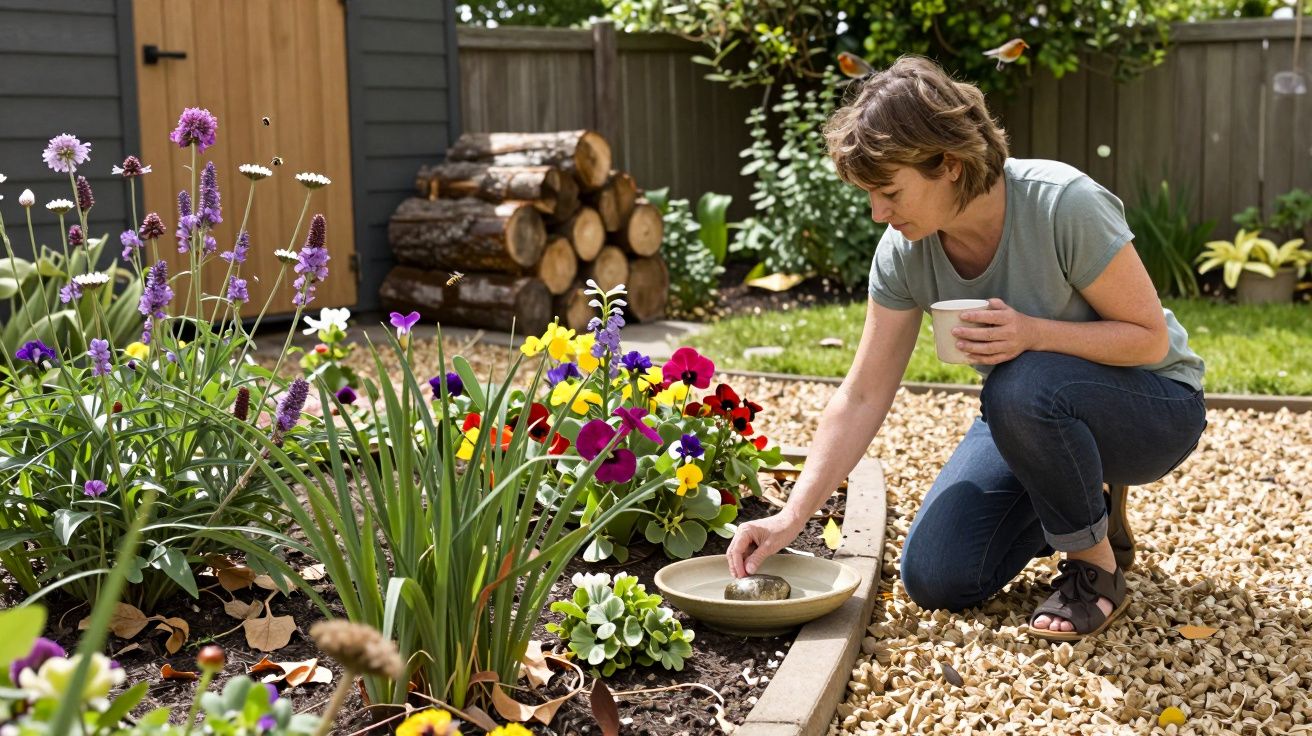
What surprises most people is how fast nature responds. Add a shallow dish of water with a stone in it, and something will use it within days. Let a strip of grass go long, and you’ll notice different flowers pushing up that you never saw in the weekly mow-and-go cycle.
Why it feels different in a British garden
Our gardens are small by global standards, and our weather is generous with damp. That’s not a problem; it’s an advantage. Moist soil supports worms and fungi, and those support everything else up the chain, from blackbirds to hedgehogs. In a neat garden, you often break that chain without realising it.
The other factor is timing. Many UK gardens are “reset” too hard in spring: everything cut back, everything swept away, every pot refreshed. But late winter and early spring are when food and shelter are most scarce for wildlife. Keeping a bit of last year standing is less about aesthetics and more about survival.
The quiet logic: fewer inputs, more life
Sustainable landscaping isn’t just about swapping plastic edging for wood or buying a peat-free compost. It’s about reducing the constant need to intervene. A garden that’s friendly to wildlife tends to need less watering, fewer chemicals, and fewer panicked rescues when you miss a week.
Think of it like this: a perfectly clipped lawn is a high-maintenance room. A mixed border with groundcover, leaf litter and a bit of shade is a little neighbourhood. Neighbourhoods self-regulate. Rooms don’t.
A simple method: choose “zones”, not perfection
If you try to go fully wild everywhere, it can feel overwhelming and, frankly, scruffy. The trick is to keep a few things crisp so the rest can relax. A mown edge, a clear path, a defined seating area - those signals tell the eye “this is intentional”.
Try this approach:
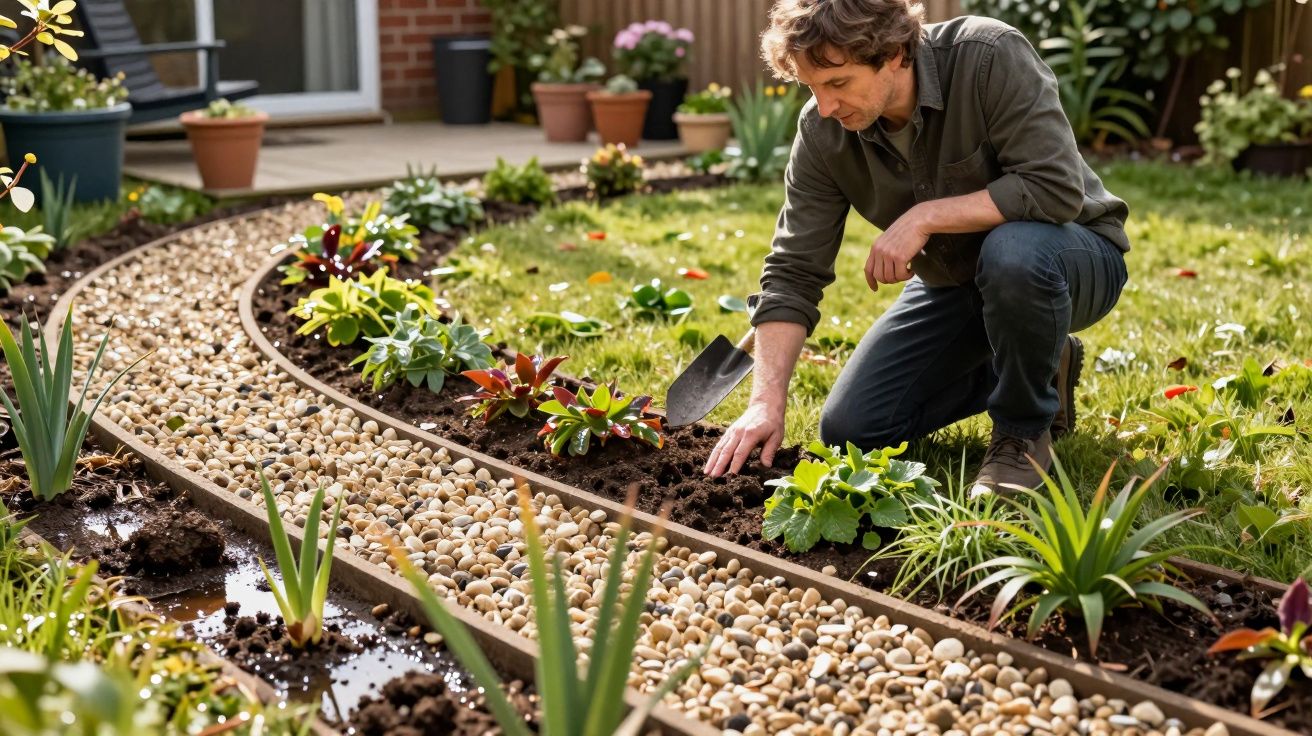
- One tidy spine: a cut lawn strip, gravel path, or clipped edge that frames the space.
- One wild corner: long grass, nettles (yes, really), or a mini meadow patch for caterpillars and seed.
- One shelter spot: log pile, leaf heap, or dense shrub zone where nothing gets disturbed.
- One flower “bar”: a run of nectar plants with overlapping bloom times (spring to autumn).
You’re not lowering standards. You’re reallocating effort.
What to plant (and what to stop doing)
The biggest wins usually come from stopping a couple of habits, not buying a trolley of plants. If you’ve been reaching for weedkiller, slug pellets, or a leaf blower, pause. Those tools often remove the very food source you’re trying to encourage.
Then add plants that do two jobs: feed pollinators and cope with your conditions.
Reliable, wildlife-friendly choices for many UK gardens
- Early season: crocus, lungwort (Pulmonaria), hellebores, rosemary in flower
- Summer: foxglove, knapweed (Centaurea), scabious, lavender (if sunny and free-draining)
- Late season: sedum (Hylotelephium), ivy (in flower), verbena bonariensis
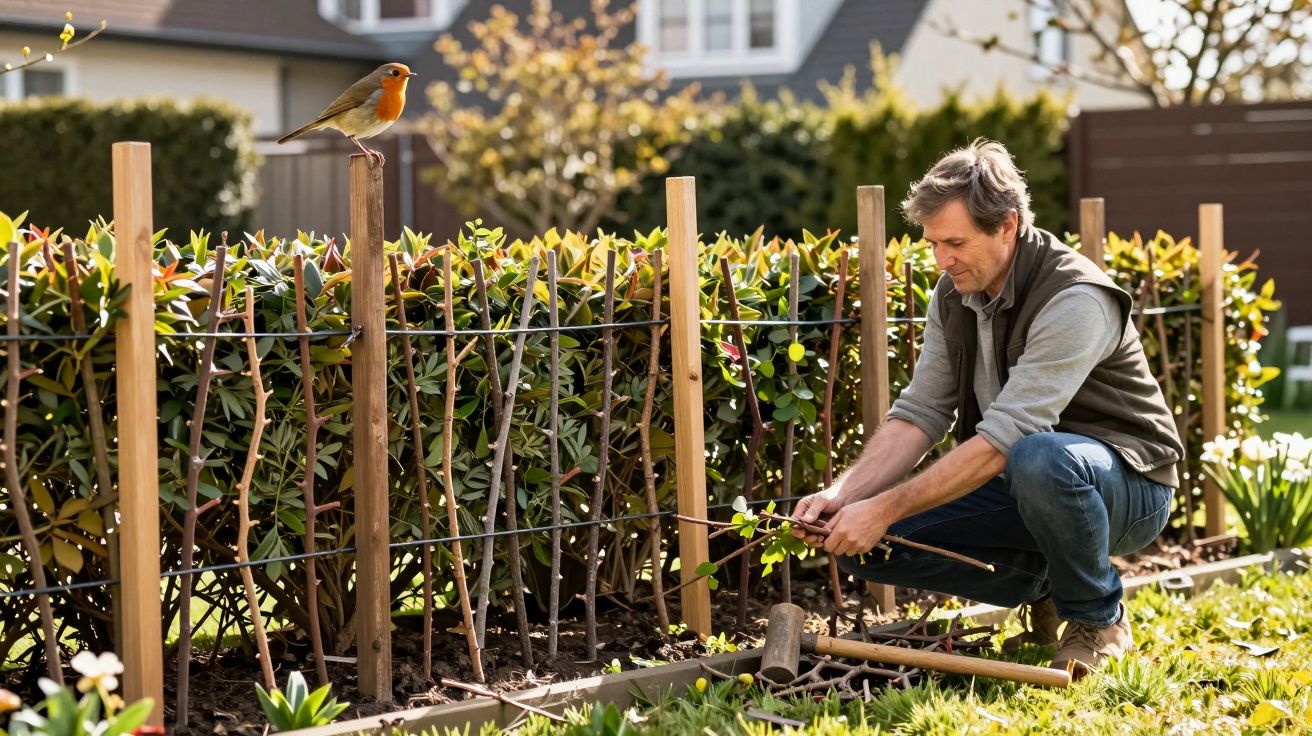
- Structure and shelter: hawthorn, dogwood, hazel, native hedging mixes where space allows
And if you only remember one thing: ivy and seedheads are not enemies. Ivy flowers feed late pollinators, and its berries help birds through winter. Seedheads feed finches and give insects a place to hide.
The part people get wrong: “wild” doesn’t mean unsafe
A wildlife-friendly garden can still be responsible. You can keep paths clear, avoid trip hazards, and manage plants that spread aggressively. You can also be mindful with ponds (even tiny ones): a shallow shelf or escape ramp saves hedgehogs and small mammals.
If you’re dealing with slugs, aim for balance rather than warfare. Healthy soil, a bit of habitat for frogs and beetles, and choosing tougher plants in vulnerable areas usually reduces damage over time. The garden becomes less of a battlefield and more of an ecosystem that shares the load.
A 20-minute “garden MOT” you can do this weekend
Walk outside with a mug of tea and do a quick check, not a grand redesign. Look for places where a small change unlocks a bigger benefit.
- Where could you leave leaves instead of bagging them?
- What’s your water source for insects and birds in dry spells?
- Is there a spot for long grass that won’t annoy you visually?
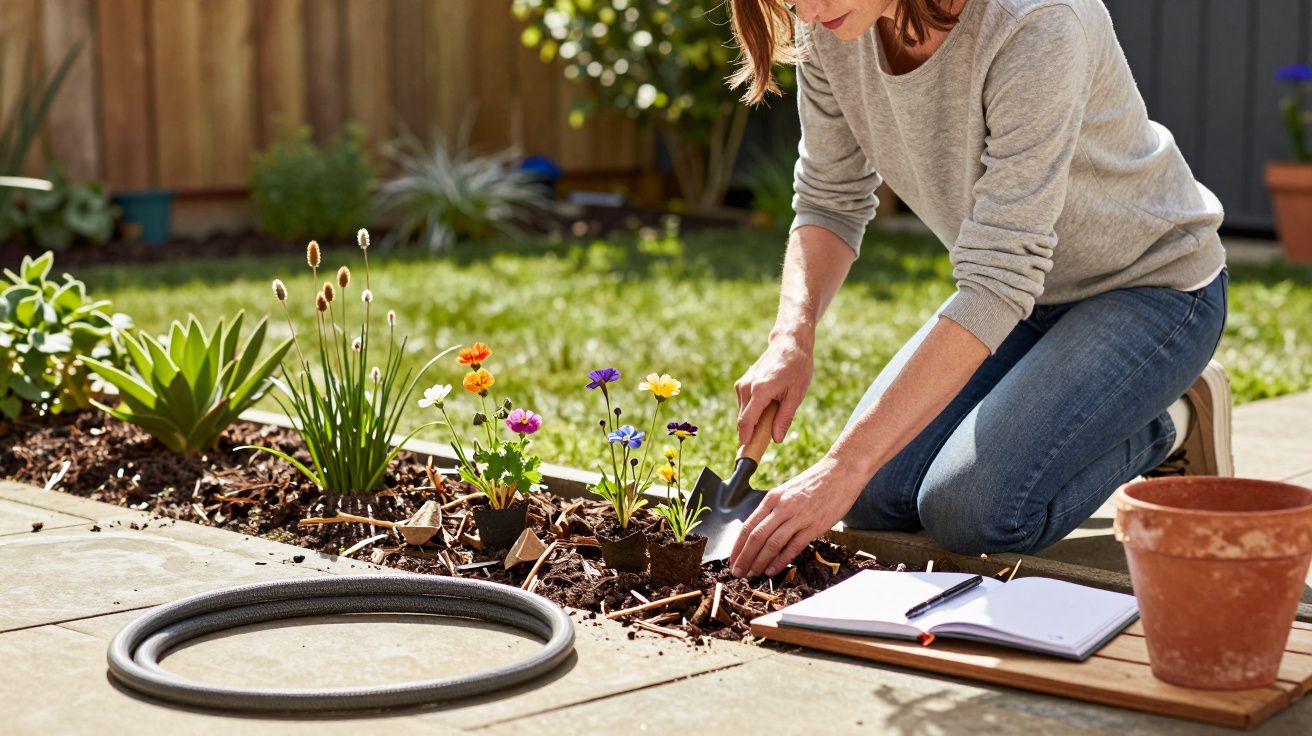
- Can you swap one “empty” area (gravel, bare bark) for flowers or groundcover?
- What’s your winter plan - will you leave stems until March?
You’ll start to see your garden less as a display and more as a living timetable.
“The moment I stopped trying to make it look perfect in every corner, it started to feel alive.”
What this shift says about us (and why it’s worth it)
A deliberately “wild” garden is oddly calming. It gives you permission to do less, but notice more: the first bumblebee in March, the goldfinches on the teasels, the tiny birds using a hedge as a motorway. In practical terms, it’s also a quiet hedge against hotter summers and hosepipe bans - more shade, more soil cover, less evaporation.
You don’t need acres, a pond the size of a swimming pool, or a heroic level of knowledge. You just need to decide that a bit of untidiness is not failure. It’s habitat.
| Change | What it supports | Why it helps you |
|---|---|---|
| Leave seedheads + stems over winter | Overwintering insects, finches | Less work in autumn; more spring life |
| Keep a tidy edge + a wild zone | Pollinators, small mammals | Looks intentional, not abandoned |
| Add water + shelter (log/leaf pile) | Birds, beetles, amphibians | More natural pest control, more sightings |
FAQ:
- Is a wildlife-friendly garden just a garden left alone? No. It’s managed, just differently: you keep structure where you need it and leave habitat where it matters.
- Will it look scruffy all year? It doesn’t have to. A mown border, clear paths, and one “kept” area make the wilder bits read as intentional.
- Do I need to stop mowing completely? Not at all. Try mowing less often, or leaving one strip long and cutting it once or twice a year.
- What’s the quickest win if I only do one thing? Leave some stems and seedheads until early spring, and add a shallow water source. You’ll notice a difference fast.
- Is it still sustainable if I buy new plants? It can be, but the most sustainable steps are usually reducing chemicals, improving soil, and working with what you already have.



Comments (0)
No comments yet. Be the first to comment!
Leave a Comment